Neutral vs Stability Running Shoes: Which One Is Right for You?
Choosing the right running shoes is essential for every runner, whether you’re a beginner or a seasoned athlete. When it comes to running shoes, two primary categories stand out: neutral shoes and stability shoes. Understanding the differences between these types can help runners select the best fit for their specific needs. This article will explore the characteristics of neutral vs stability running shoes, helping you determine which type is right for you.
Contents
hide
What Are Neutral Running Shoes?
Neutral running shoes are designed for runners with a natural gait. These shoes do not have motion control features. They suit individuals who do not overpronate or supinate while running. Neutral shoes focus on providing cushioning and basic support.
Key Features of Neutral Running Shoes
Neutral running shoes offer specific features that differentiate them from stability shoes:
- Cushioning: Enhanced cushioning to absorb impact during running.
- Arch Support: Moderate arch support for balanced comfort.
- Flexibility: Greater flexibility for natural foot movement.
- Lightweight Build: Lightweight materials for smoother running.
- Heel Drop: A consistent heel drop for a neutral stride.
These features contribute to natural movement and comfort during runs.
Who Should Consider Using Neutral Running Shoes?
Neutral running shoes are ideal for several types of runners:
- Runners with a Neutral Gait: Best for those with balanced foot striking during runs.
- Minimal Overpronators and Supinators: Suitable for slight pronation or supination issues.
- Individuals Seeking Comfort: Perfect for runners prioritizing impact absorption.
- Casual Runners: Those who enjoy comfort and lightweight shoes for daily runs.
- Experienced Runners: Ideal for runners with strong, stable feet.
Choosing neutral running shoes depends on your foot type and running style.
What Are Stability Running Shoes?
Stability running shoes are designed for runners who overpronate. Overpronation occurs when the foot rolls inward excessively during running or walking. These shoes provide targeted support to correct this inward rolling motion. They help distribute impact evenly and reduce the risk of injuries.
Stability shoes aim to balance comfort and control. They typically feature advanced technology to support the arch and align the foot properly. This ensures a more stable and efficient stride.
Key Features of Stability Running Shoes
Stability running shoes come with distinctive features tailored for overpronators:
- Arch Support: Firm support to control excessive inward rolling of the foot.
- Medial Post: A denser foam under the arch to guide the foot’s motion.
- Heel Counter: A reinforced heel area for added stability and secure fit.
- Cushioning: Sufficient cushioning for comfort without compromising stability.
- Weight: Usually heavier than neutral shoes to enhance support.
These features promote a stable and neutral gait while minimizing strain on the lower body.
Who Should Consider Using Stability Running Shoes?
Stability running shoes are recommended for specific types of runners:
- Individuals With Overpronation: Perfect for runners whose feet roll inward excessively during movement.
- Flat-Footed Runners: Ideal for those with lower arches requiring additional support.
- New Runners: Beginners prone to overpronation may benefit from the added stability.
- Injury Prone Runners: Reduces the risk of injuries caused by improper foot positioning.
- Long-Distance Runners: Offers support and durability for extended periods of running.
Choosing stability running shoes can improve gait and prevent unnecessary strain on your feet. Ensure they align with your specific running needs and foot mechanics.
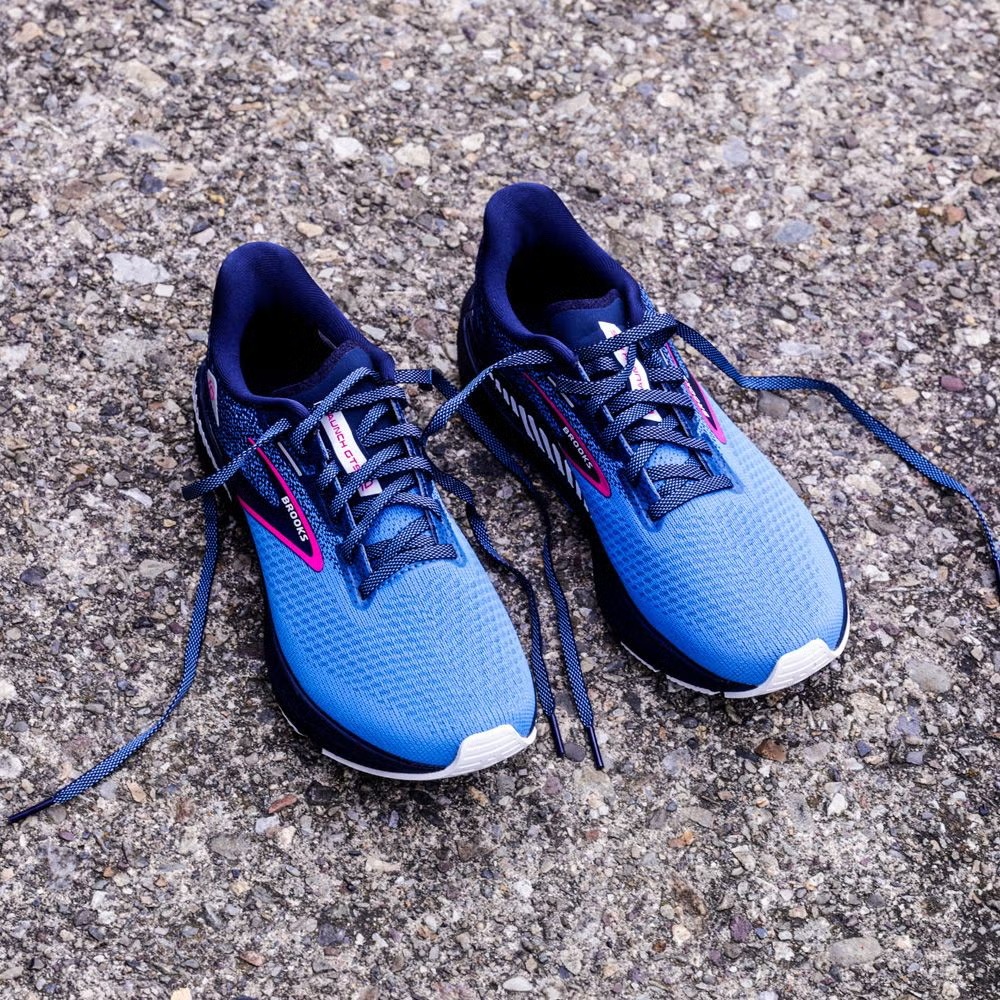
Key Differences Between Neutral and Stability Running Shoes
When deciding between neutral vs stability running shoes, it is crucial to know their differences. Understanding these variations helps you choose the correct shoes for your running needs.
Cushioning and Support Levels
Neutral running shoes focus on cushioning and basic support for natural movement. They are suited for runners who do not overpronate or supinate significantly. These shoes provide a softer and more responsive feel, enhancing comfort during runs.
In contrast, stability running shoes include added support for overpronation correction. They often feature firmer arch support and medial posts to control inward foot rolling. These components distribute impact evenly, improving foot alignment and reducing injury risks.
Runners with neutral gaits benefit from softer cushioning and lighter builds in neutral shoes. However, those prone to overpronation require the targeted support provided by stability shoes.
Design and Structure Variations
The design and structure of neutral running shoes prioritize flexibility and lightweight construction. They allow free foot movement, promoting a natural and effortless stride. Key elements include flexible midsoles and consistent heel drops, supporting a balanced running motion.
Stability running shoes differ in structure due to their corrective features. They include reinforced heel counters, denser foam midsoles, and durable builds. These components create a more structured feel, guiding the foot towards a stable and efficient gait.
Neutral shoes are ideal for casual, comfortable runs, while stability shoes are tailored for controlled motion. The design differences make each type better suited for specific running needs based on foot mechanics and gait style.
Understanding the differences between these running shoe types ensures you make an informed choice. Consider your foot type and running style before selecting the right pair of shoes.
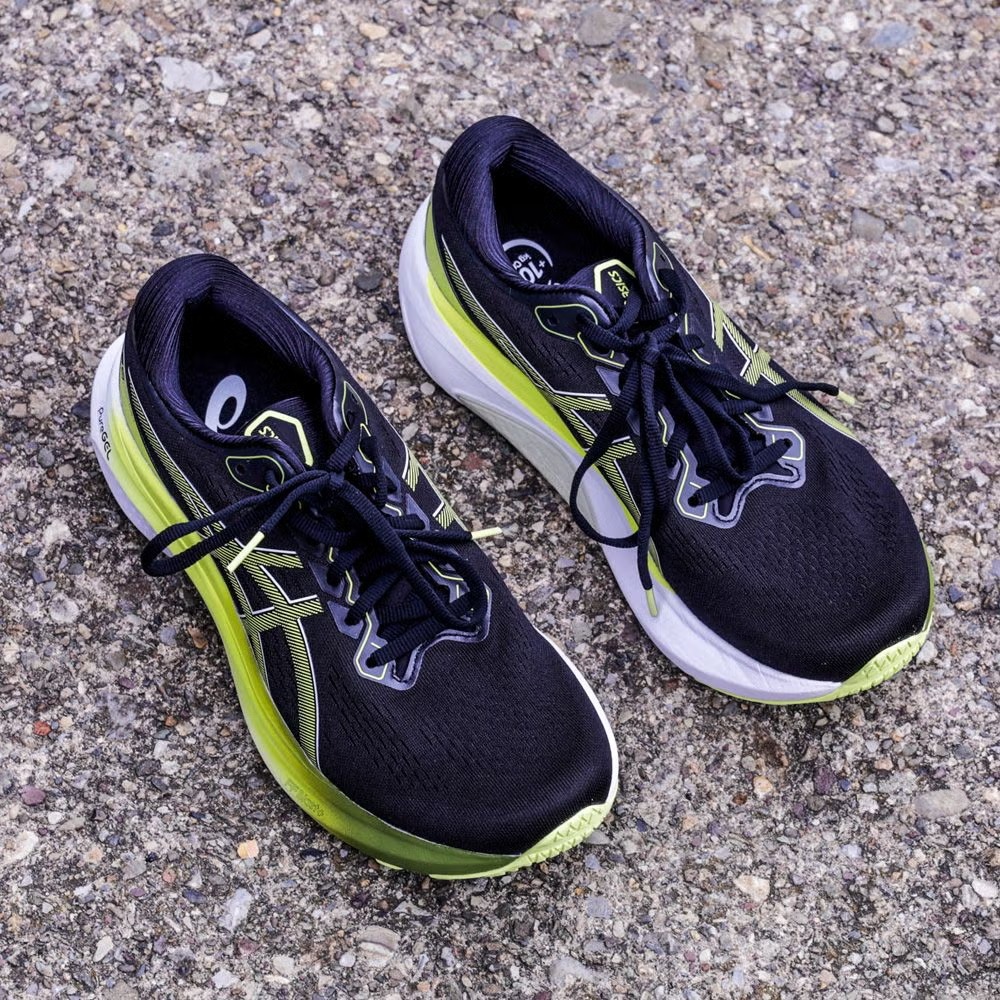
Pros and Cons of Neutral Running Shoes
Neutral running shoes offer a range of benefits but may not suit everyone. Let’s explore their advantages and disadvantages.
Pros of Neutral Running Shoes
- Enhanced Comfort: These shoes provide excellent cushioning for a softer ride.
- Lightweight Design: They are lighter in weight, making runs feel effortless.
- Flexible Movement: Flexibility allows for natural foot motion and adaptability during runs.
- Suitable for Balanced Gait: Perfect choice for runners with neutral or minimal pronation.
- Impact Absorption: Reduces strain on the feet through improved shock absorption.
These features make neutral running shoes ideal for casual and experienced runners alike.
Cons of Neutral Running Shoes
- Limited Support: Not suitable for overpronators or those needing corrective features.
- Less Stability: May cause discomfort for runners with lower arches seeking extra support.
- Durability Concerns: Lightweight materials might wear out faster during intensive usage.
- Unsuitable for Flat Feet: Lack of targeted arch support can lead to strain in such cases.
- Not for Injury-Prone Runners: Minimal correction features do not prevent injury risks.
Neutral running shoes work well for certain runners but have limitations for others. Assessing your gait and foot type is essential before choosing them.
Pros and Cons of Stability Running Shoes
Stability running shoes are favored for their ability to correct overpronation. However, they also have limitations. Let’s explore the pros and cons of these shoes.
Pros of Stability Running Shoes
- Overpronation Support: Stability shoes provide firm arch support and medial posts to control inward foot rolling.
- Reduced Injury Risk: Their corrective features minimize strain and prevent injuries caused by improper gait.
- Durability: Built with reinforced structures, these shoes last longer during intense runs.
- Suitable for Flat Feet: Ideal for runners with lower arches needing additional support.
- Better for Long-Distance Runs: Offers the stability needed for endurance running sessions.
These advantages make stability shoes a preferred choice for runners prone to overpronation or foot instability.
Cons of Stability Running Shoes
- Heavier Weight: Stability shoes are often heavier due to added support features.
- Less Flexible: Restricted flexibility may hinder a natural running stride.
- Not Ideal for Neutral Runners: Runners with balanced foot mechanics might find them uncomfortable.
- Higher Cost: Stability shoes sometimes cost more due to advanced technology.
- May Cause Fatigue: Their weight can lead to fatigue during shorter or casual runs.
While stability running shoes suit specific needs, they are not ideal for all runners. It’s important to match the shoe type to your gait and foot mechanics.
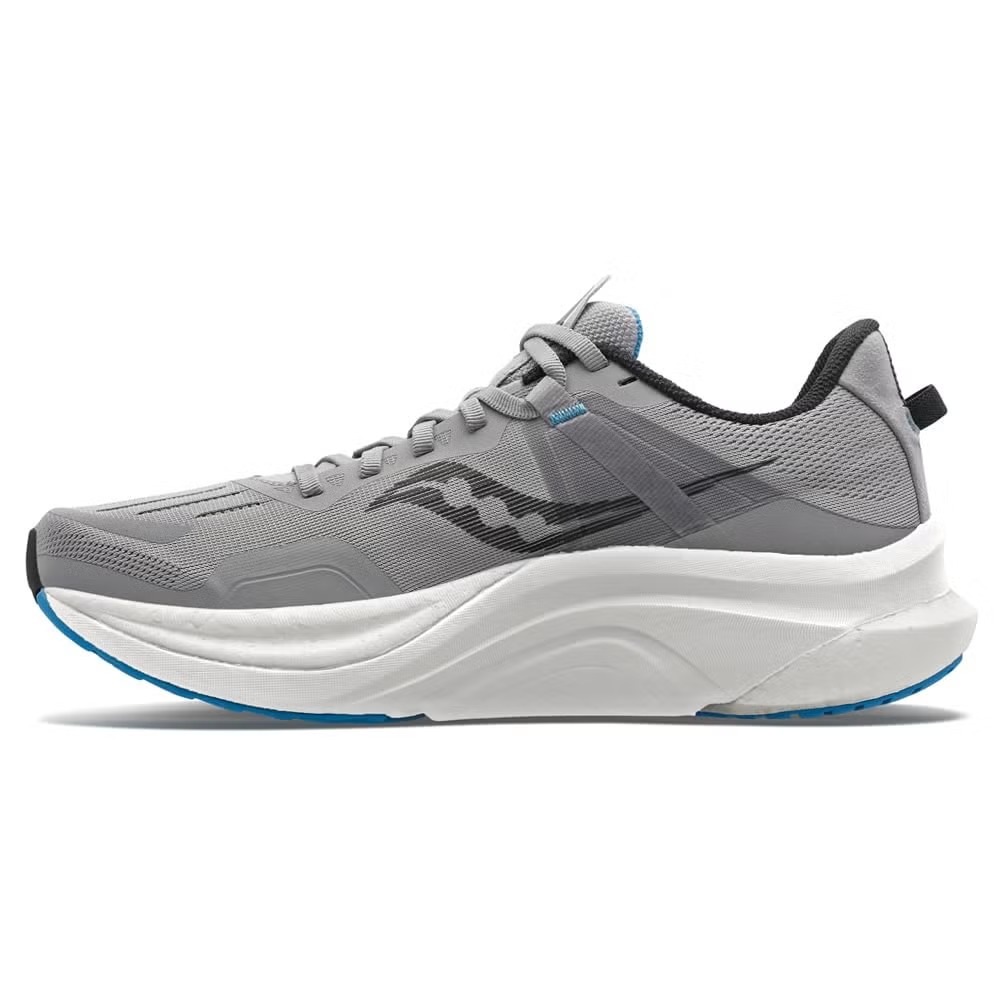
How to Choose the Right Running Shoes for Your Needs
Selecting the right running shoes is essential for comfort and injury prevention. It ensures better performance and minimizes strain on your feet. The choice depends on your foot type, running style, and gait analysis.
Factors to Consider: Foot Type and Running Style
- Foot Arch Type: Identify if you have high, normal, or flat arches. Neutral shoes suit normal arches, while stability shoes are ideal for flat arches.
- Pronation Level: Determine your degree of pronation. Neutral running shoes are great for minimal pronation. Stability shoes help correct overpronation.
- Running Terrain: Consider where you will run. Road runners might prefer lightweight shoes, while trail runners may need sturdier options.
- Frequency of Runs: Choose durable shoes if you run daily. Occasional runners might opt for lighter models.
- Distance: Long-distance runners benefit from stability shoes’ support. Short-distance runners may prefer flexible, neutral shoes.
Evaluate these factors before making a decision to ensure the best fit and performance.
Importance of Gait Analysis
Gait analysis identifies your walking and running patterns. It helps recognize any pronation issues. Specialists perform this test through observation or advanced technology.
- Understand Your Motion: Gait analysis shows how your feet strike the ground during movement.
- Identify Needs: It pinpoints whether neutral or stability shoes suit your gait best.
- Prevent Injuries: Proper shoes, based on gait analysis, reduce the risk of pain and injuries.
Visit a store offering gait analysis before purchase. This ensures you select the most suitable shoes for your gait and running needs.
Top Brands Offering Neutral and Stability Running Shoes
Choosing the right neutral vs stability running shoes involves finding a brand that suits your needs. Several reputable brands offer both neutral vs stability running shoes with advanced features.
Top Brands for Neutral Running Shoes
- Nike: Known for their lightweight and flexible designs. Nike’s neutral shoes provide excellent cushioning and natural movement.
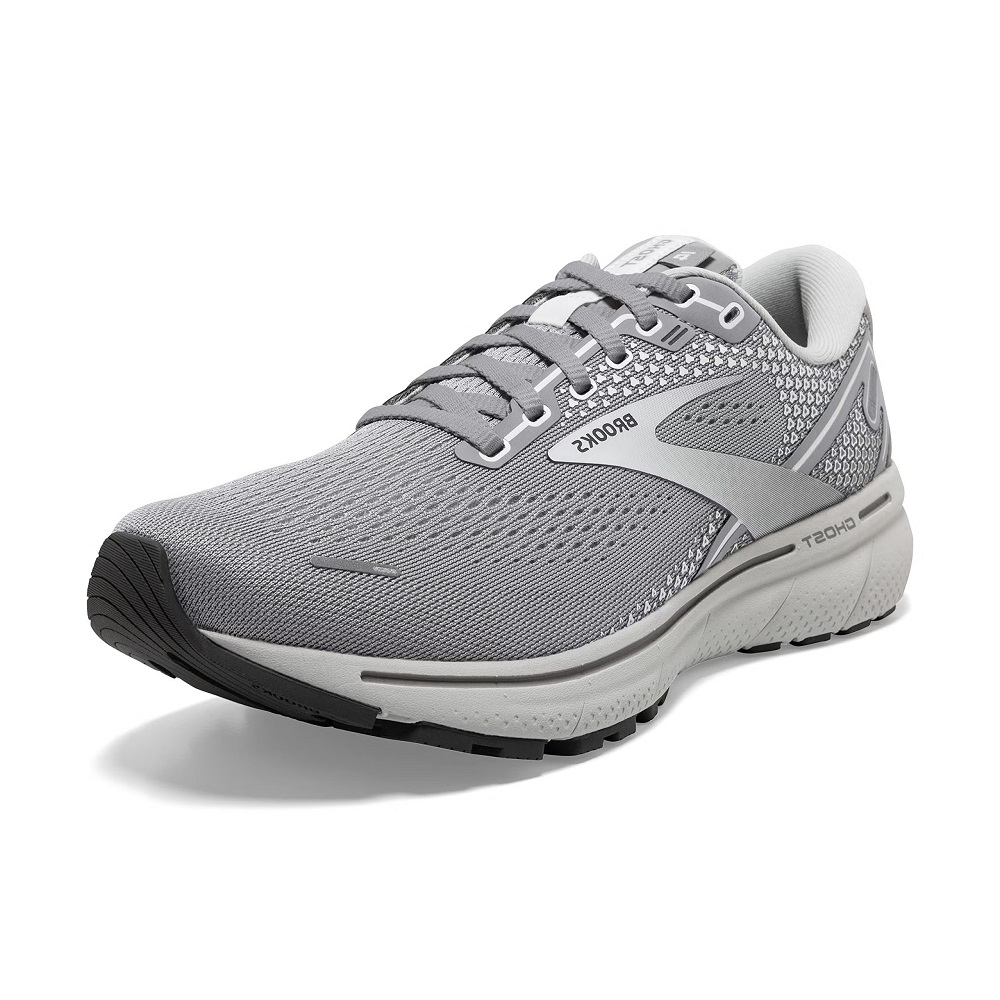
- Brooks: Offers shoes with great comfort and support. Their cushioning enhances impact absorption during runs.
- Asics: Popular for their Gel technology. Asics’ neutral shoes prioritize comfort and soft landings.
- New Balance: Known for high-performance shoes. They combine responsive cushioning with a durable and lightweight build.
- Saucony: Provides well-cushioned and breathable shoes. They are suitable for runners seeking a natural stride.
These brands focus on cushioning, comfort, and flexibility in their neutral running shoe models.
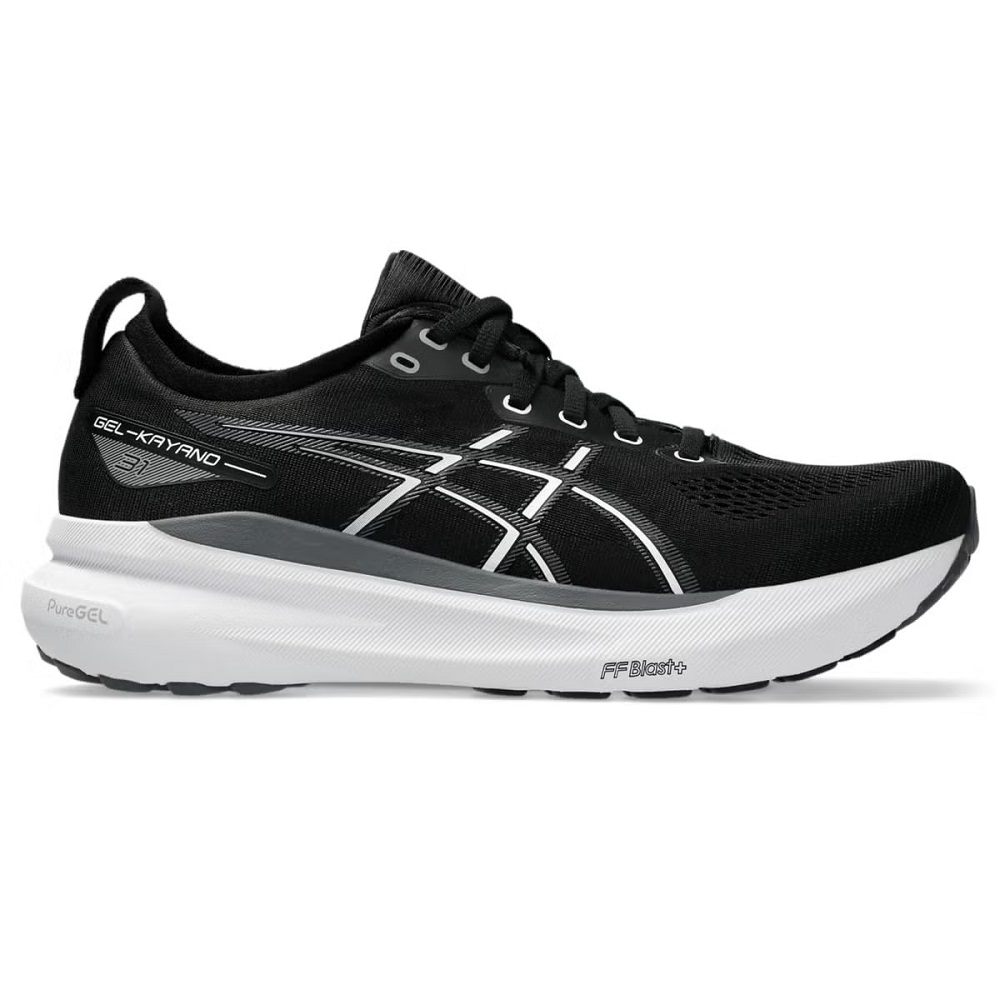
Top Brands for Stability Running Shoes
- Asics: Offers stability shoes with strong arch support and durable medial posts. Ideal for overpronators.
- Brooks: Their stability shoes feature GuideRails and structured designs. This ensures improved gait control.
- New Balance: Known for sturdy stability models. Their shoes provide excellent support for flat-footed runners.
- Saucony: Famous for their stability-focused builds with reinforced midsoles for balanced motion.
- Hoka One One: Specializes in cushioned stability shoes. Their designs reduce stress on joints and improve posture.
These brands prioritize advanced stability and durability to correct overpronation effectively.
Things to Consider When Choosing a Brand
- Fit and Comfort: Ensure the shoes fit snugly and offer comfort for your foot type.
- Technology: Look for cushioning, arch support, and gait-correction features.
- Durability: Opt for materials that last through extensive running sessions.
- Purpose: Match the brand’s offerings to your running goals, like distance or terrain.
Research these brands to find the perfect fit for your running style and preferences.
FAQs About Neutral and Stability Running Shoes
What Are the Main Differences Between Neutral and Stability Running Shoes?
Neutral shoes focus on cushioning and natural movement. Stability shoes provide support for overpronation.
Who Should Choose Neutral Running Shoes?
Runners with balanced gaits or minimal pronation should choose neutral running shoes.
Who Should Choose Stability Running Shoes?
Runners with overpronation or flat arches should use stability running shoes.
Can I Use Stability Shoes Even if I Don’t Overpronate?
It’s better to use neutral shoes if your gait is balanced. Stability may feel restrictive.
How Do I Find My Foot Type?
Check your arch type or get a gait analysis to determine your foot type.
Are Stability Shoes More Durable Than Neutral Shoes?
Yes, their reinforced structure adds durability for long-term use.
Can Beginners Use Neutral Running Shoes?
Yes, they offer comfort and cushioning for new runners with a balanced gait.
Do Neutral Shoes Work for Long-Distance Runs?
They are suitable for runners with stable feet or minimal pronation during long runs.
Do Stability Shoes Feel Heavier than Neutral Shoes?
Yes, because stability shoes include added corrective features for overpronation.
How Often Should Running Shoes Be Replaced?
Replace running shoes every 300–500 miles to ensure comfort and performance.
Should I Try Multiple Brands Before Deciding?
Yes, testing brands helps find the best fit and comfort for your feet.
Finding Your Perfect Fit
In conclusion, understanding the differences between neutral vs stability running shoes is vital for any runner. Your specific needs, such as gait type, body weight, and running style, should guide your choice. Both neutral and stability shoes offer distinct benefits, making them suitable for different types of runners.
Remember to perform a gait analysis to determine which type of shoe fits your needs best. Trying on shoes and ensuring they meet your comfort requirements is essential for a satisfying running experience. Taking care of your shoes through regular cleaning and checks will help you get the most out of your investment.
Embrace the joy of running and prioritize your comfort and safety with the right footwear. With the perfect pair of running shoes, you can confidently embark on your fitness journey and enjoy the freedom that comes with every run. Whether you’re training for a marathon or simply jogging for leisure, the right shoes can make all the difference in your performance and enjoyment.