Best Outdoor Running Shoes: Your Guide to Finding the Perfect Fit
Importance of Choosing the Right Outdoor Running Shoes
Choosing the best outdoor running shoes is essential for optimal performance. These shoes impact comfort, safety, and overall enjoyment during your runs. Ill-fitting shoes can cause discomfort, injuries, and reduce your running efficiency.
Proper running shoes provide necessary support for your feet and legs. They help absorb impact, reducing strain on joints and muscles. This can lower the risk of foot pain, shin splints, and other common running injuries.
The right shoes improve traction and stability on various terrains. For outdoor runners, encountering uneven surfaces, rocky paths, or slippery trails is common. Shoes with excellent grip ensure you stay stable and confident during your run.
Durability also matters when selecting outdoor running shoes. High-quality shoes withstand rough conditions, prolonging their lifespan and providing consistent performance. Breathable and waterproof materials enhance comfort in different weather conditions.
Investing in running shoes tailored to your needs leads to better running experiences. Whether you’re running on trails, roads, or mixed terrains, the ideal shoes boost your comfort and protect your feet. Make sure to consider your running style and terrain before purchasing the best outdoor running shoes.
Key Features to Look for in Outdoor Running Shoes
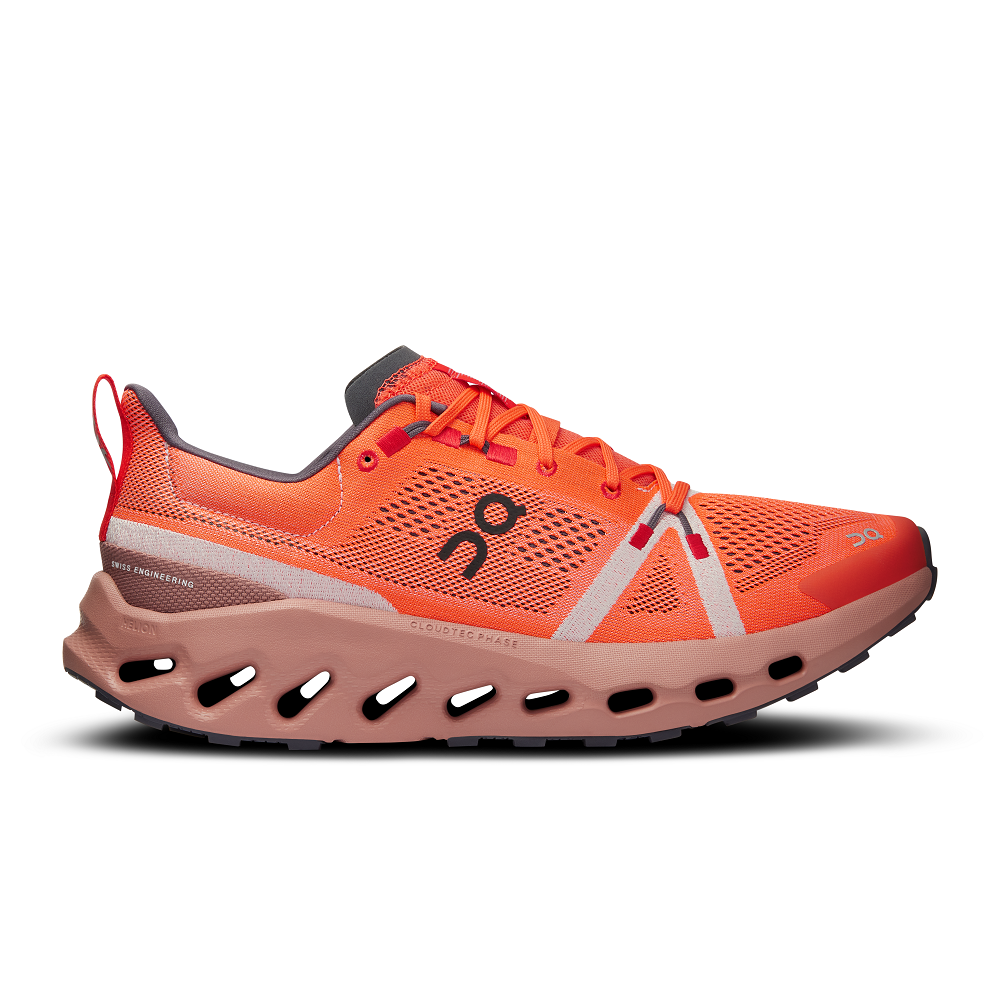
Selecting the best outdoor running shoes requires understanding their essential features. Prioritize comfort, durability, and functionality to enhance your runs. Below are the key aspects to consider:
Cushioning and Support
Cushioning and support are vital for protecting your feet and joints. Proper cushioning absorbs impact during runs, reducing strain on your knees and ankles. Look for midsoles made from EVA foam or gel for optimal shock absorption.
Support ensures stability and prevents overpronation or underpronation. Shoes designed with arch support help distribute pressure evenly. Consider your foot shape and running style to select shoes with adequate support.
Traction and Grip for Various Terrains
Traction is crucial for maintaining balance on uneven surfaces. Outdoor running often involves trails, rocky paths, or slippery roads. Shoes with patterned outsoles provide better grip and reduce the risk of slipping.
For trails, seek shoes with deep lugs for enhanced traction on loose dirt or mud. Road runners benefit from flat outsoles designed for smooth surfaces. Hybrid shoes combine features suitable for mixed terrains.
Waterproof and Breathable Materials
Outdoor running shoes should perform well in various weather conditions. Waterproof materials keep your feet dry in wet environments. Look for designs with Gore-Tex or similar water-resistant membranes.
Breathability ensures comfort by allowing proper airflow. Mesh uppers promote ventilation and prevent overheating during warm runs. Combining waterproof and breathable layers optimizes performance across seasons.
Identifying these features ensures your outdoor running shoes meet your requirements. Prioritize durability, comfort, and terrain compatibility for successful runs.
Types of Outdoor Running Shoes
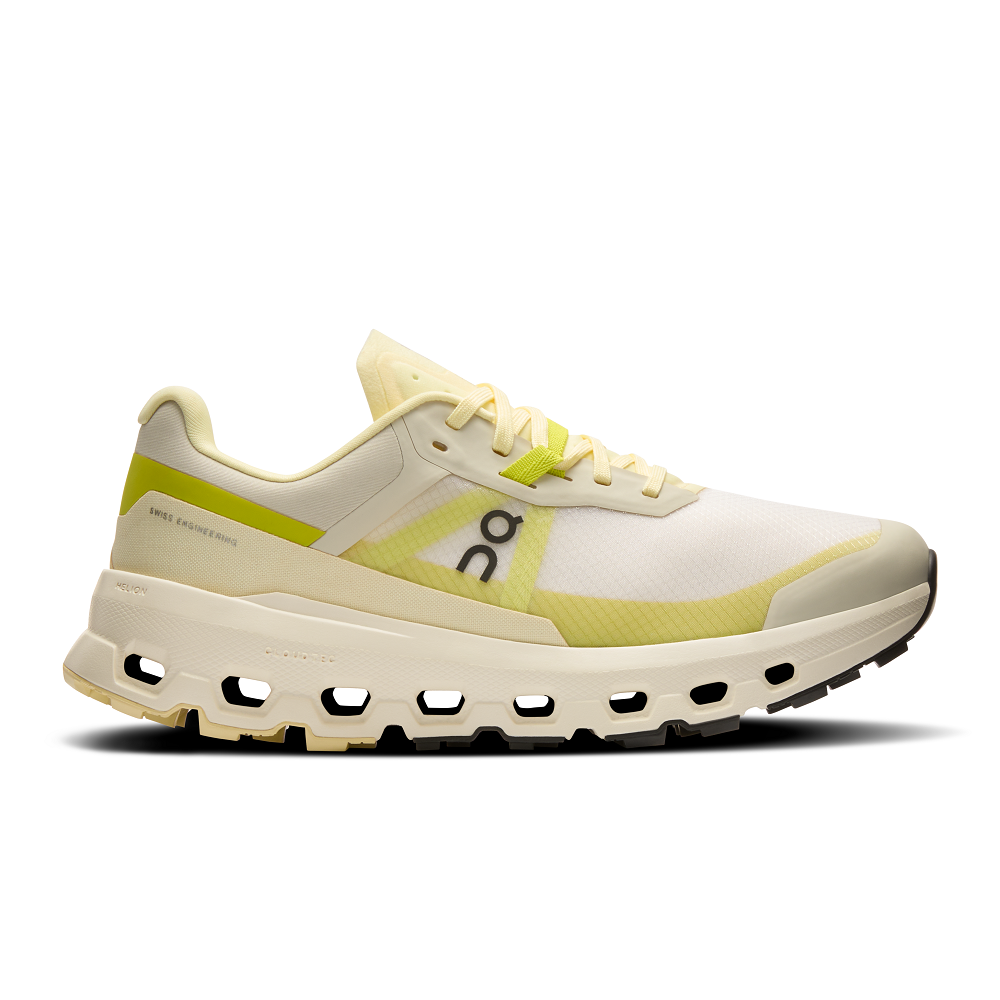
When it comes to outdoor running, selecting the right type of shoes is critical. Different terrains and running styles require specific types of footwear. Here are the three main categories of outdoor running shoes to consider:
Trail Running Shoes
Trail running shoes are designed for rugged terrains and off-road trails. They provide excellent grip and traction, thanks to deep lugs on their outsoles. These shoes also offer added protection with reinforced toe caps to shield your feet from rocks and debris. Cushioning in trail running shoes is built to absorb shocks from uneven surfaces. Look for trail shoes with water-resistant materials to handle muddy or wet paths. Stability and support features in these shoes keep your feet secure on uneven ground.
Road Running Shoes
Road running shoes are ideal for paved surfaces like roads and sidewalks. They are lightweight and offer smoother cushioning compared to trail shoes. These shoes prioritize comfort for repetitive motion on hard surfaces. The outsoles are usually flat, providing a good balance between grip and durability. Breathable materials are commonly used, ensuring your feet stay cool during long-distance runs. Road running shoes are perfect for runners seeking a smooth and responsive ride.
Hybrid Running Shoes
Hybrid running shoes combine features of trail and road running shoes. They are versatile and perform well on mixed terrains. These shoes provide moderate cushioning and grip, making them suitable for both trails and roads. They often include a balance of durability and lightweight materials for varied conditions. Choose hybrid running shoes if your runs include transitioning between paved areas and uneven paths.
Each type of outdoors running shoe is tailored for specific conditions. Picking the right one enhances comfort, performance, and protects you from injuries. Always consider the terrain you’ll be running on before making a choice.

Best Outdoor Running Shoe Brands
Choosing a reliable brand ensures quality when selecting the best outdoor running shoes. Renowned brands offer advanced technology, comfort, and durability.
Nike
Nike is a trusted name in running shoes. Their designs focus on performance and style. Nike running shoes often feature Flyknit uppers for a secure and breathable fit. The React foam technology provides excellent cushioning and energy return. Many models cater to various running styles and terrains. These shoes are lightweight, supporting speed and agility. Nike also offers waterproof options for all-weather running. Their designs emphasize both comfort and innovative performance.
Adidas
Adidas outdoor running shoes combine durability with cutting-edge technology. BOOST technology delivers superior energy return and cushioning. Continental rubber outsoles ensure excellent traction, even on wet surfaces. Adidas also offers Primeknit uppers for a sock-like fit and exceptional breathability. Their trail running shoe line provides deep-lugged soles for challenging terrains. With stylish designs and reliable performance, Adidas suits runners across different terrains.
Asics
Asics is a popular choice for outdoor runners. They focus on advanced support and cushioning technologies. GEL cushioning absorbs shocks, protecting joints and offering comfort. The Trusstic System technology ensures midfoot stability during runs. Asics shoes cater to both road and trail runners. Durable outsoles provide excellent grip and traction on diverse surfaces. Their breathable materials keep feet cool and dry, even during long runs. Asics is known for creating shoes tailored for safety and comfort.
All three brands offer reliable outdoor running shoe options. Consider your specific needs, running style, and terrain when choosing the right brand.
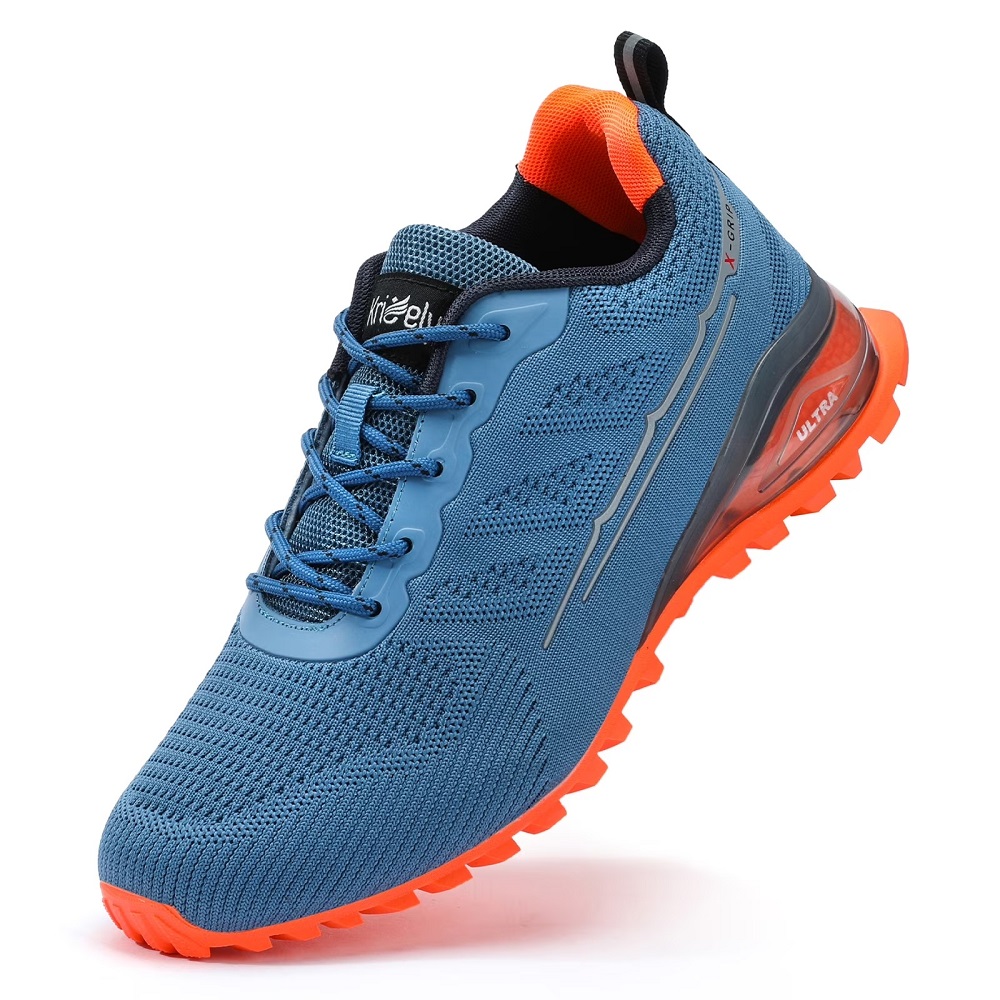
Tips for Choosing Outdoor Running Shoes Based on Terrain
Selecting best outdoor running shoes requires considering the terrain you’ll be running on. Different terrains demand specific features to maximize comfort, safety, and performance. Here are practical tips to guide your choice:
- For Trails
- Choose trail running shoes for rugged terrains or off-road paths. They provide strong grip and stability with deep-lugged outsoles that help prevent slipping on loose dirt or mud.
- Look for protective toe caps to shield your feet from rocks and debris. Reinforced materials enhance durability and safety against sharp objects.
- Opt for water-resistant shoes to keep your feet dry during rainy or muddy runs. Shoes with breathable layers ensure your feet remain cool while exploring challenging trails.
- For Roads
- Pick road running shoes if you plan to run on paved surfaces like roads or sidewalks. Flat outsoles ensure smooth transitions while providing excellent grip for repetitive motion.
- Lightweight designs improve speed and comfort during long-distance runs. Prioritize shoes with responsive cushioning to absorb repeated impacts on hard surfaces.
- Breathable materials in these shoes prevent overheating and provide cooling airflow for extended runs.
- For Mixed Terrains
- Hybrid running shoes are ideal for runners transitioning between roads and trails. These shoes balance cushioning for hard surfaces and grip for uneven paths.
- Moderate grip and traction ensure stability on changing terrains. Lightweight and durable materials make them adaptable to varied conditions.
- Look for versatility in design, catering to both smooth roads and challenging trails.
Selecting shoes based on terrain ensures better performance and reduces injury risk. Assess your running environment and choose shoes designed for that specific use. Prioritize comfort, stability, and durability for enjoyable outdoor runs.
How to Properly Fit Your Running Shoes
Finding the perfect fit in running shoes is crucial for comfort and performance. Improperly fitted shoes can lead to discomfort, blisters, and even injuries. Here are steps to ensure your running shoes fit correctly:
- Measure Your Feet Regularly
- Foot size can change over time. Measure your feet at a store or home.
- Check both width and length. Feet can differ slightly, so measure both sides.
- Try Shoes Later in the Day
- Feet swell throughout the day. Test shoes when your feet are at their largest.
- This ensures room for natural swelling during runs.
- Wear Running Socks During Testing
- Running socks impact fit. Always test shoes with the socks you plan to wear.
- Avoid thick or mismatched socks when trying new shoes.
- Check for Enough Toe Room
- Leave at least half an inch between your toes and the shoe’s front.
- Your toes should move freely without feeling squeezed.
- Ensure a Snug Heel Fit
- The heel should not slip while walking or running. Test for stability.
- A snug heel reduces the risk of blisters and enhances support.
- Consider Shoe Width
- Make sure shoes don’t pinch or feel too tight across the sides.
- Wider-footed runners should explore shoes with wider designs.
- Test Shoes with Movement
- Walk and jog with the shoes to test flexibility and comfort.
- Ensure the cushioning feels supportive and smooth during impact.
- Pay Attention to Arch Support
- Choose shoes that complement your arch type: flat, neutral, or high.
- Proper arch support improves comfort and reduces injury risks.
- Consider Your Running Gait
- Assess overpronation, underpronation, or neutral gait patterns.
- Select shoes designed to support your specific gait type.
- Seek Expert Advice When Needed
- Ask running store specialists for fitting guidance. They offer personalized help.
- Their recommendations ensure you pick the best outdoor running shoes.
Properly fitting running shoes enhance comfort, safety, and enjoyment during running sessions. Follow these steps to avoid common issues and run confidently.
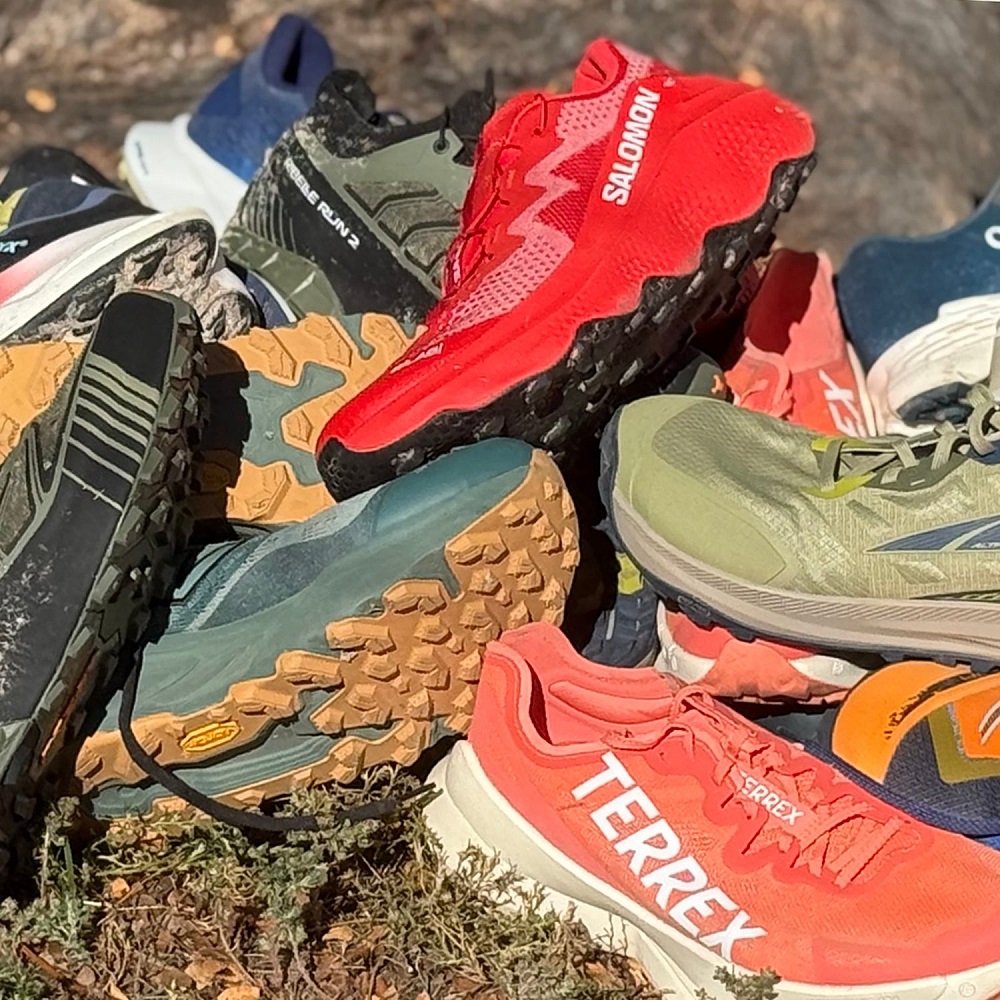
Maintaining and Extending the Lifespan of Running Shoes
Proper care can make your outdoor running shoes last longer and stay effective. Regular maintenance not only preserves their quality but also ensures optimal performance throughout their lifecycle. Here are practical tips to keep your shoes in great condition:
- Clean After Every Run
- Remove dirt, mud, and debris from your shoes with a soft brush or cloth.
- Avoid soaking shoes in water. Use a damp cloth for cleaning instead.
- Let them air dry naturally to prevent material damage.
- Store Shoes Properly
- Keep your shoes in a cool, dry place. Avoid humid or hot environments.
- Use a shoe bag or clean shelf for storage when not in use.
- Never leave shoes under direct sunlight, as it can weaken materials.
- Rotate Your Shoes
- Alternate between different pairs for varied runs. This reduces wear on any single pair.
- Using terrain-specific shoes for trails and roads prevents unnecessary strain.
- Inspect for Damage Regularly
- Check for sole wear, loose stitching, or ripped materials after frequent use.
- Repair minor damages immediately to prevent them from worsening.
- Replace shoes if soles lose grip or cushioning breaks down.
- Avoid Overwashing
- Washing too often can degrade waterproof and breathable layers. Spot-clean when needed.
- Skip machine washing unless specified by the manufacturer.
- Use Shoe Inserts
- Add removable insoles to maintain comfort and easily replace worn ones.
- Inserts help reduce internal wear and support proper alignment.
- Protect During Bad Weather
- Use water-resistant sprays to preserve waterproof materials.
- Dry shoes promptly after exposure to wet or snowy conditions.
- Wear Shoes Only for Running
- Don’t use running shoes for other activities like gym workouts or casual walks.
- Keeping them dedicated preserves their structural integrity and cushioning.
By following these tips, you can extend the lifespan of your running shoes effectively. Proper care ensures your shoes remain comfortable and perform well on every outdoor run, saving you money in the long run.
Conclusion
Embracing the Joy of Running
Choosing the best outdoor running shoes is essential for enjoying this exhilarating activity. Finding the right fit, style, and features contributes to comfort and performance. This guide has explored the various aspects of selecting running shoes, from understanding your needs to proper care. With the right shoes and preparations, you can fully embrace the joy of running.
Investing in Your Future
The investment you make in quality running shoes pays off in the long run. Healthier joints, improved performance, and increased confidence are just some benefits of wearing the right footwear. Whether running for fitness, fun, or competition, having the proper gear is a crucial step in your running journey.
Looking Forward to Your Running Journey
As you embark on your running journey, remember the excitement and freedom that comes with it. Plan your runs, enjoy the outdoors, and cherish every mile. With your new outdoor running shoes, you are well-prepared for many adventures that lie ahead. Take your time, listen to your body, and enjoy the process of becoming a better runner. Happy running!