Best Women’s Running Shoes for Beginners: Finding Your Ideal Fit
Importance of Choosing the Right Running Shoes
Selecting the best women’s running shoes for beginners is vital for every woman. Good shoes support your feet during runs. They reduce the risk of injuries and improve performance. Running in uncomfortable or unsuitable shoes can lead to pain or strain. Proper shoes enhance comfort, making long runs enjoyable.
Additionally, the right shoes align with your running style. Some women prefer road running, while others focus on trails. Shoes designed for your activity provide better grip and stability.
Correct running shoes also distribute weight evenly. They help prevent issues like blisters or joint stress. A careful choice ensures your running routine stays consistent and safe.
Furthermore, good shoes boost your motivation to keep running. Feeling comfortable encourages you to challenge yourself. Investing in quality shoes benefits your health and fitness journey. Take your time and choose with care.
Factors to Consider When Buying Women’s Running Shoes
Choosing the right running shoes involves several important factors. These factors ensure comfort, performance, and injury prevention.
1. Foot Type: Understand your foot type — flat, neutral, or high arches. This helps in selecting shoes with proper support.
2. Running Surface: Consider the terrain you run on, such as roads, trails, or treadmills. Different surfaces require specific shoe designs.
3. Cushioning: Check the level of cushioning that suits your needs. Beginners often benefit from additional cushioning for comfort.
4. Shoe Weight: Lightweight shoes reduce effort and improve speed. Weight matters, especially for longer runs.
5. Fit: Ensure the shoes fit snugly without being too tight. A correct fit prevents discomfort and blisters.
6. Breathability: Choose shoes with breathable materials. These help keep your feet dry and cool during runs.
7. Stability Features: Look for stability and motion control features if you overpronate or need additional support.
8. Durability: Select durable shoes, especially for regular use. High-quality materials last longer and improve value.
9. Brand Reputation: Trusted brands often deliver quality and comfort in their running shoe designs.
10. Price: Set a budget but prioritize value over cost. High-performance shoes can be worth the investment.
By considering these factors, you can find the best women’s running shoes for beginners. Focus on your needs and running goals. This ensures a healthier and more enjoyable experience.
Best Running Shoe Types for Beginners
When starting out, finding the best running shoes is crucial. Beginners need shoes that support and protect their feet. Here are the key types of running shoes to consider:
Neutral Running Shoes
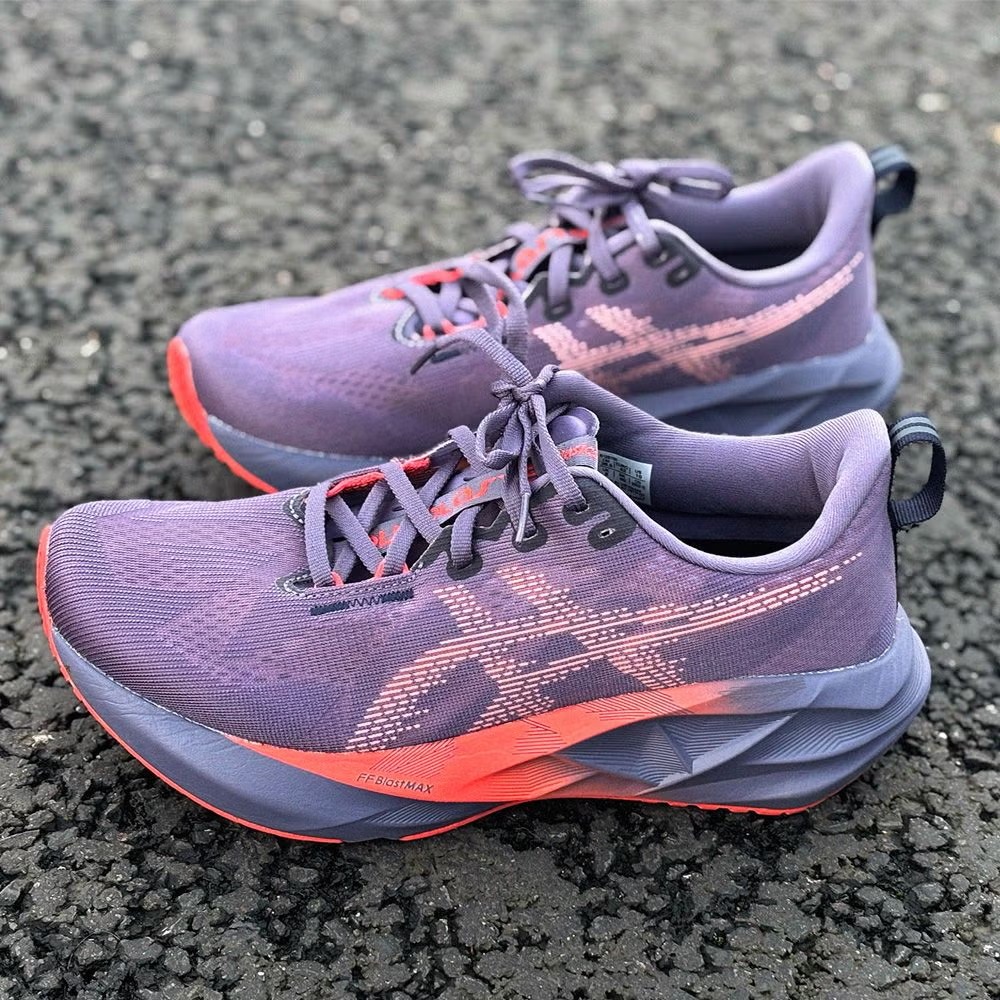
Neutral running shoes are ideal for most new runners. They suit individuals with normal arches and a balanced gait. These shoes provide good cushioning and mild flexibility, ensuring comfort during every run. They work well for road surfaces and even light trails.
Stability Running Shoes
If you tend to overpronate, stability running shoes are the best option. They offer extra support for the arch and reduce inward rolling of the foot. Beginners who need more control during their runs will benefit from these shoes. Stability shoes also help prevent injuries caused by improper foot alignment.
Trail Running Shoes
Trail running shoes are perfect for runners who tackle rough terrain. They feature enhanced grip and sturdier materials to protect against debris. These shoes improve traction on uneven surfaces, boosting confidence for any outdoor adventure. Beginners enjoying nature trails should opt for these specialized designs.
Cushioned Running Shoes
Cushioned shoes provide the softest feel during runs. They are ideal for beginners seeking maximum comfort. These shoes absorb shocks effectively, reducing strain on the feet and joints. They work best for road running, treadmill training, or long distances.
Lightweight Running Shoes
Lightweight shoes prioritize speed and efficiency for runners. New runners aiming for faster paces will find these shoes beneficial. These designs are minimal and focus on basic support, suitable for short runs or workouts. However, beginners should ensure proper cushioning for longer sessions.
By choosing the right type of running shoes, beginners can enjoy safer and more comfortable runs. Focus on your foot type and running surface for the best choice.
Cushioning and Support: Crucial Features to Look For
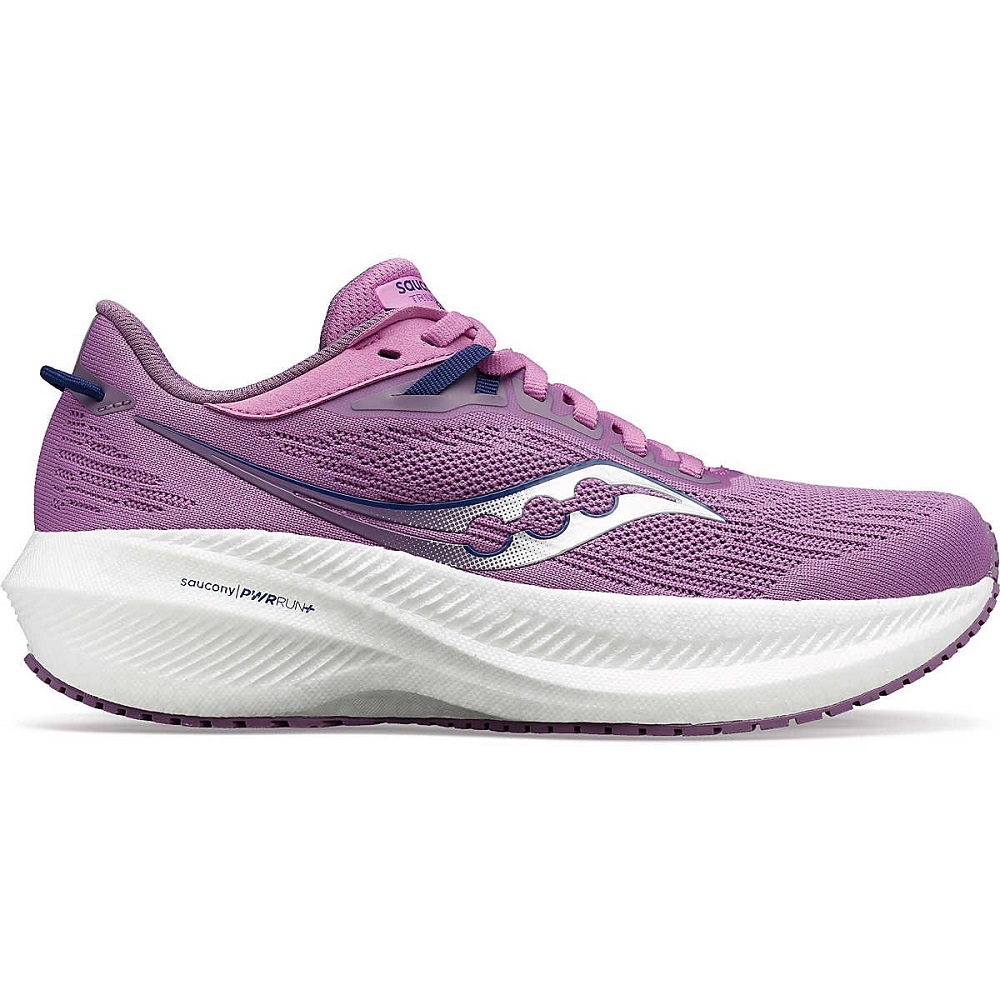
Cushioning and support are essential for finding the best women’s running shoes for beginners. These features provide comfort, reduce injury risks, and enhance running performance. A well-cushioned shoe absorbs shock, preventing strain on your feet and joints. Support ensures proper alignment, stopping injuries caused by incorrect foot motion.
Cushioning Features
- Heel Cushioning: Look for adequate padding in the heel area. It reduces impact during heel strikes.
- Midsole Cushioning: The midsole should be soft yet supportive, absorbing shock during runs.
- Forefoot Cushioning: Proper cushioning in the forefoot ensures smooth toe-off and comfort.
- Material: Quality foam or gel technology enhances overall comfort and durability.
Cushioned running shoes are especially suitable for beginners on hard surfaces. They help in preventing common issues like shin splints and joint pain.
Support Features
- Arch Support: Shoes should match your foot type: flat, neutral, or high arches. This will prevent discomfort.
- Stability Technology: Features like medial posts or guide rails improve foot alignment and control.
- Heel Counter: A firm heel counter keeps your heel stable and prevents excess movement.
- Wide Base: A broader base provides added balance and stability, enhancing your confidence.
Both cushioning and support serve as the foundation for a healthy and enjoyable run. Prioritize these features when shopping for the best women’s running shoes for beginners. Analyze your running needs carefully to make the best choice. By ensuring proper cushioning and support, you can run safely and comfortably, making your fitness journey all the more rewarding.
Top Brands for Women’s Running Shoes
Finding the right brand makes a huge difference when choosing running shoes. Trusted brands often deliver consistent quality, comfort, and performance. Here are some of the top brands known for producing the best women’s running shoes for beginners:
1. Nike
Nike offers a wide range of running shoes for all individuals. Their designs focus on lightweight comfort, innovative cushioning, and style. The React and Pegasus lines are particularly popular among beginners.
2. ASICS
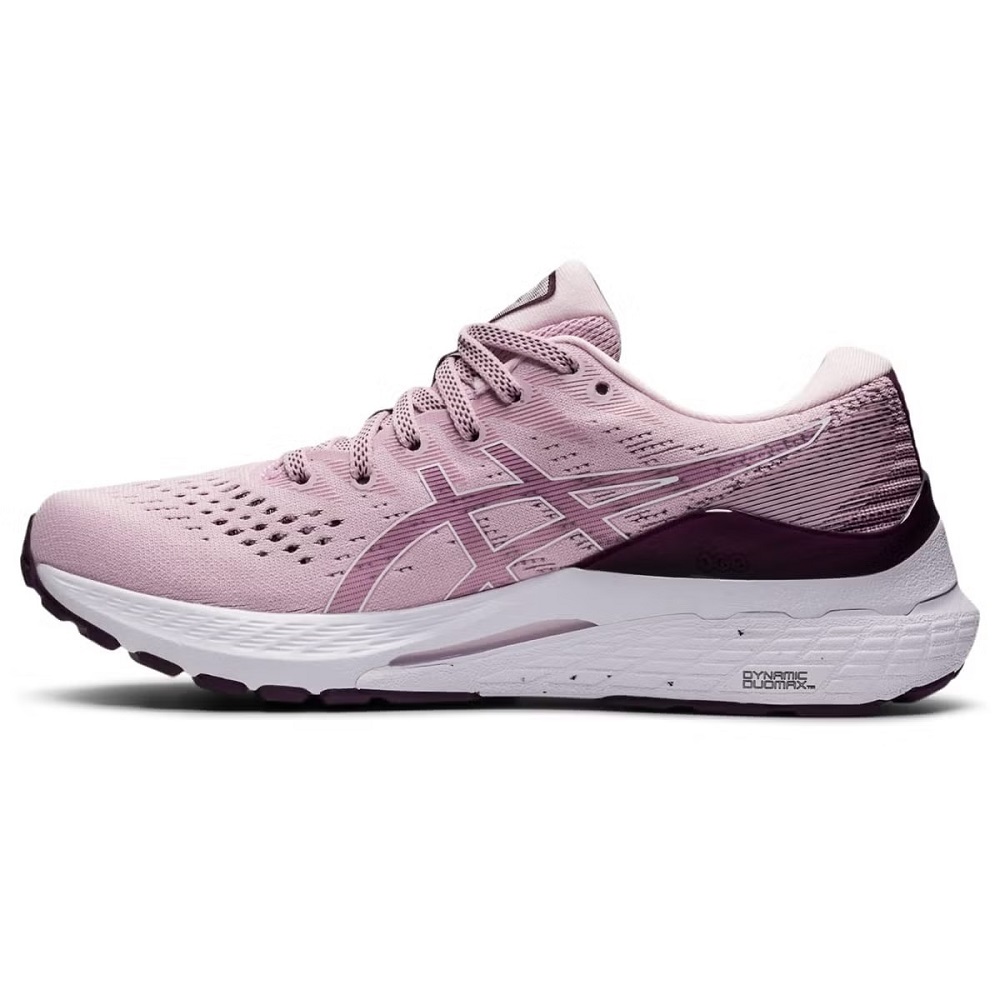
ASICS is renowned for its advanced technology and supportive features. Their Gel series ensures excellent cushioning and shock absorption. These shoes work well for long runs and daily training sessions.
3. Brooks
Brooks running shoes prioritize comfort and stability. The brand is popular due to its DNA Loft and GuideRails technology. These features are perfect for beginners looking for injury prevention and smooth runs.
4. Adidas
Adidas focuses on combining sporty aesthetics with high-performance features. Their Boost cushioning technology provides energy return and comfort. The Ultraboost range is a favorite for road and treadmill runners.
5. Saucony
Saucony designs cater to runners looking for top-notch cushioning and durability. Options like the Saucony Ride and Guide series strike a balance between comfort and support.
6. New Balance
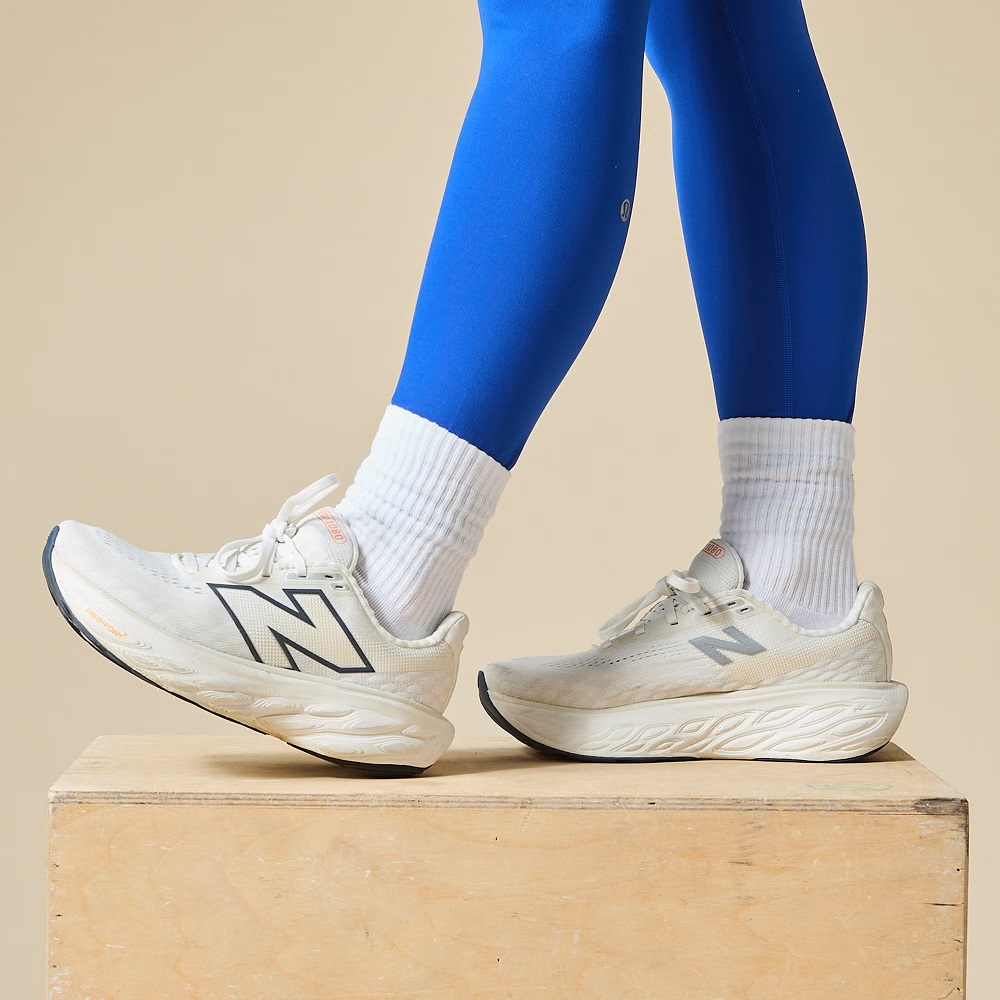
New Balance is highly regarded for its wide-sizing options and reliable cushion technology. Fresh Foam and FuelCell designs offer great comfort for runners starting their fitness journey.
7. Hoka One One
Hoka shoes are loved for their thick midsoles and plush cushioning. They provide maximum support for beginners seeking a soft and stable ride. The Clifton and Bondi models are great choices for road runners.
8. Mizuno
Mizuno is known for its Wave Plate technology, which offers excellent stability and shock distribution. Their designs cater to both neutral runners and those needing additional support.
9. Reebok
Reebok delivers affordable running shoe options with reliable performance. Their Floatride Energy series offers lightweight durability and cushioning for beginners.
10. Altra
Altra specializes in zero-drop designs and wide toe boxes. These features encourage a natural running posture, ideal for beginners adjusting to longer runs.
Choosing from these top brands helps ensure you get durable, supportive, and stylish shoes. Focus on your needs, including fit and surface preferences, to find the perfect pair.
How to Choose the Right Fit and Size
Choosing the perfect fit and size is crucial for running shoes. A well-fitted shoe improves comfort and prevents injuries. Follow these steps to pick the right fit and size:
Measure Your Feet
- Measure Both Feet: Measure both feet as sizes may differ. Use a ruler or foot measuring device.
- Length and Width: Check the length and width of your feet for accurate sizing.
- Arch Type: Determine your arch type—flat, neutral, or high—using an arch test.
Understand Shoe Sizes
- Know Your Size: Check size charts for different brands. Sizes may vary from brand to brand.
- Half Sizes: Look for half sizes if you fall between two sizes.
- Toe Space: Ensure a thumb’s width of space between your longest toe and the shoe tip.
Try Shoes in the Evening
Feet swell during the day. Try shoes in the evening to get the most accurate fit.
Wear Running Socks
Use the socks you wear during runs. This helps you assess the true fit of the shoes.
Test Shoe Fit
- Walk and Run Test: Walk and jog in the store to evaluate comfort and fit.
- Heel Security: Ensure no slipping at the heel area. Stability matters during movements.
- Width Comfort: Check that the shoe isn’t too tight or loose around the sides.
Account for Swelling
For long-distance runs, choose shoes allowing slight space for foot swelling.
Consult Experts
- Professional Fitting: Visit a store offering professional gait analysis and shoe fitting.
- Feedback: Ask staff about the shoe’s support, cushioning, and stability features.
Importance of Correct Fit
- Prevent Injuries: Foot strain and blisters occur with incorrect shoe sizes.
- Improved Comfort: Well-fitted shoes enhance running enjoyment and endurance.
- Better Performance: Shoes that fit well maximize stride efficiency and speed.
Your running shoes must fit properly for a safe and fun running experience. Take your time. Test carefully before buying and always prioritize comfort and support.
Tips for Trying and Testing Running Shoes
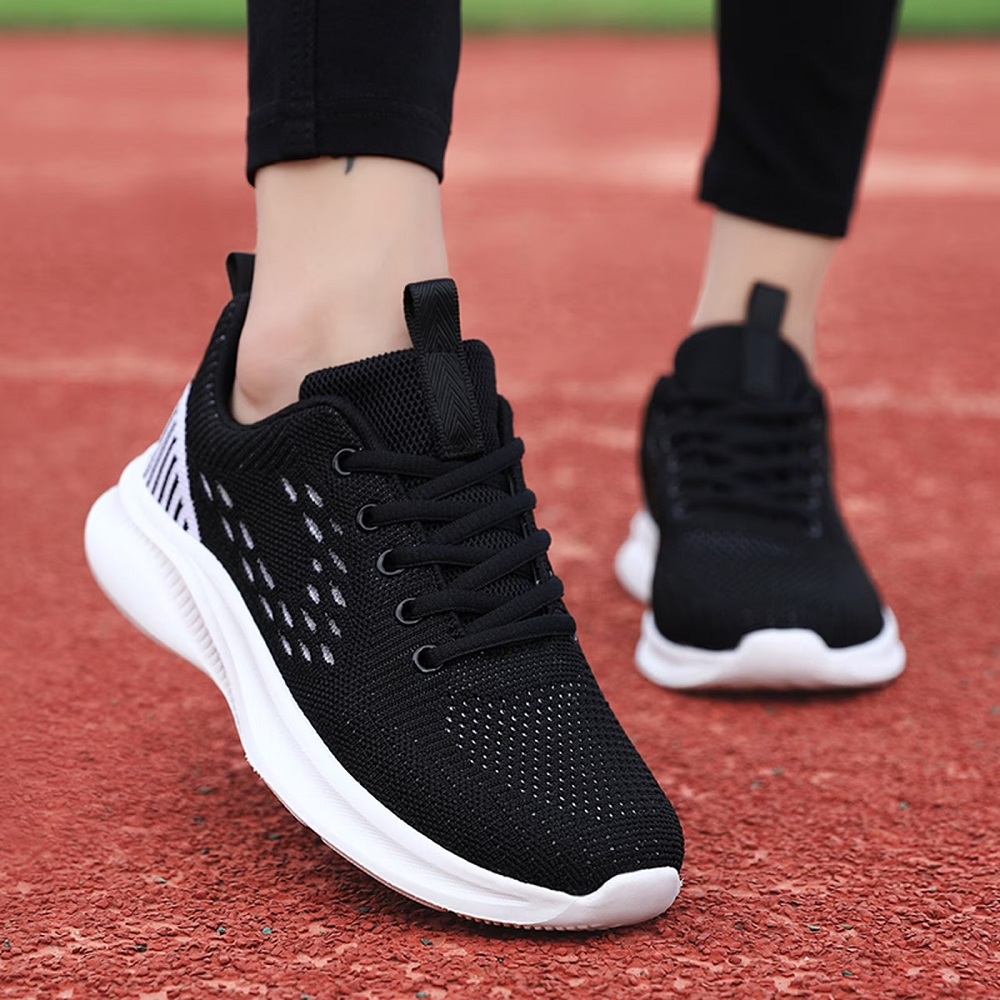
Finding the perfect running shoes requires proper testing and trying techniques. These tips guide you in ensuring your shoes meet your needs effectively.
Shop in the Afternoon or Evening
Visit the store later in the day. Feet tend to swell, affecting the fit. Testing shoes during this time ensures a true fit even during longer runs.
Wear Your Running Socks
Use the same socks you wear for running while trying on shoes. This gives a more realistic fit and avoids discomfort during actual runs.
Measure Your Feet
Have your feet measured professionally. Sizes differ between brands and models. Ensure you know both length and width of your feet.
Walk and Run in the Shoes
Test the shoes by walking and jogging around the store. Assess the cushioning, comfort, and fit during movement. They should support your running stride without pinching.
Check Toe Space and Width
Allow at least half an inch between your longest toe and the shoe tip. Ensure the width isn’t too tight or too loose, especially at pressure points.
Focus on Heel Fit
The heel should feel snug and secure. Avoid shoes with excessive heel slippage. Stability in the heel area reduces discomfort.
Evaluate Cushioning and Support
Check if shoe cushioning and support match your running needs. Neutral runners need medium cushioning, while those with special requirements may need extra arch support.
Test the Flexibility
Bend the shoe at the forefoot area. Test its flexibility to ensure easy forward motion while running.
Seek Expert Guidance
Request help from store assistants trained in gait analysis. They can recommend options based on your running style and foot type. Expert advice improves your chances of finding the best women’s running shoes for beginners.
Avoid Rushing
Never rush your decision. Take time to ensure comfort and fit. Stay focused on your long-term running goals.
Trust Your Comfort
If a shoe feels right and comfortable, it’s likely a good choice. Make sure a pair feels natural for your feet.
By following these tips, you ensure that your running shoes fit well and meet your performance needs. Comfortable and well-tested shoes can prevent injuries, boost enjoyment, and support your journey as a beginner runner.
Maintenance and Replacement of Running Shoes
Proper maintenance and timely replacement of running shoes are essential. They ensure comfort, durability, and performance over time.
Maintenance Tips
- Clean Regularly: Remove dirt using a soft brush and mild soap. Rinse with cold water only.
- Air Dry: Let your shoes dry naturally. Avoid heat sources such as dryers.
- Store Properly: Keep shoes in a cool, dry place. Avoid direct sunlight or damp areas.
- Rotate Usage: Use multiple pairs of running shoes to extend their lifespan.
- Inspect Soles: Check for wear and tear in the outsoles often. Replace them if grip weakens.
- Avoid Overwashing: Excessive cleaning can damage materials. Clean sparingly but effectively.
- Use Shoe Inserts: Inserts improve comfort and reduce wear on internal cushioning.
Signs Your Running Shoes Need Replacement
- Excess Wear: Outsoles should be replaced when tread patterns disappear or lose grip.
- Reduced Cushioning: Compression marks or discomfort indicate diminishing midsole effectiveness.
- Changes in Fit: If fit changes over time, assess whether shoes have stretched or worn out.
- Pain During Runs: New aches or blisters suggest insufficient support and cushioning.
- Mileage Limit: Replace shoes after running approximately 300–500 miles for optimal performance.
- Visible Damage: Torn sides or broken laces signify shoes past their prime.
Benefits of Timely Replacement
- Prevent Injuries: Old shoes can cause strains or joint stress due to poor support.
- Boost Performance: Fresh shoes enhance stride efficiency and comfort.
- Improve Running Motivations: Comfortable gear encourages longer, more enjoyable runs.
Maintaining and replacing your running shoes properly strengthens your running routine. Pay attention to wear and care, and prioritize both performance and safety when selecting your next pair.