Top Trail Running Shoes: Essential Picks for Optimal Performance
Contents
hide
Benefits of Choosing the Right Trail Running Shoes
Trail running requires shoes specifically designed to handle uneven and challenging surfaces. Picking the right trail running shoes is crucial for performance and safety. Here’s why you should choose the best pair:
Enhanced Traction and Grip
Trail running shoes provide superior traction and grip on uneven terrain. Their outsoles are designed with lug patterns that improve stability on mud, rocks, and slippery paths. The enhanced grip prevents slips, allowing you to focus on your run and improve your confidence on all surfaces.
Improved Comfort and Support
Trail running shoes are crafted for maximum comfort during long runs. They offer better cushioning to reduce impact on rough terrains. Arch support and padded collars ensure your feet remain comfortable even on steep or uneven paths. Proper support minimizes fatigue and enhances overall performance.
Reduced Risk of Injuries
Wearing the right trail running shoes reduces injury risks. Features like reinforced toe boxes protect your toes from sharp rocks. Stability features reduce ankle twists on uneven terrain. Cushioning prevents joint strain, ensuring you stay injury-free during demanding runs.
Key Features to Look for in Trail Running Shoes
Choosing the right trail running shoes involves evaluating specific features tailored for outdoor terrains. These features directly impact your comfort, performance, and safety during runs.
Outsole and Traction
Trail running shoes should offer robust traction. Look for lug patterns that enhance grip on slippery trails. Deep, multidirectional lugs provide extra stability on mud, rocks, and uneven surfaces. Durable outsoles ensure shoes wear well over time.
Cushioning and Protection
Proper cushioning minimizes impact on joints during rugged runs. Select shoes with reinforced midsoles for shock absorption. Features like toe guards protect feet from sharp rocks or debris. This enhances safety and reduces injury risks.
Breathability and Weather Resistance
Breathable uppers prevent overheating and ensure optimal airflow. Look for mesh materials for ventilation. Weather-resistant shoes keep feet dry, especially during wet conditions. Waterproof or quick-drying options are ideal for diverse terrains.
Durability and Material Quality
Trail running shoes must withstand wear and tear. High-quality materials increase longevity. Check for double stitching and abrasion-resistant fabrics. Sturdy designs endure challenging surfaces and frequent usage. Prioritize shoes with durable construction for lasting performance.
Focus on these features to find the top trail running shoes that suit your needs.
Top Trail Running Shoe Brands
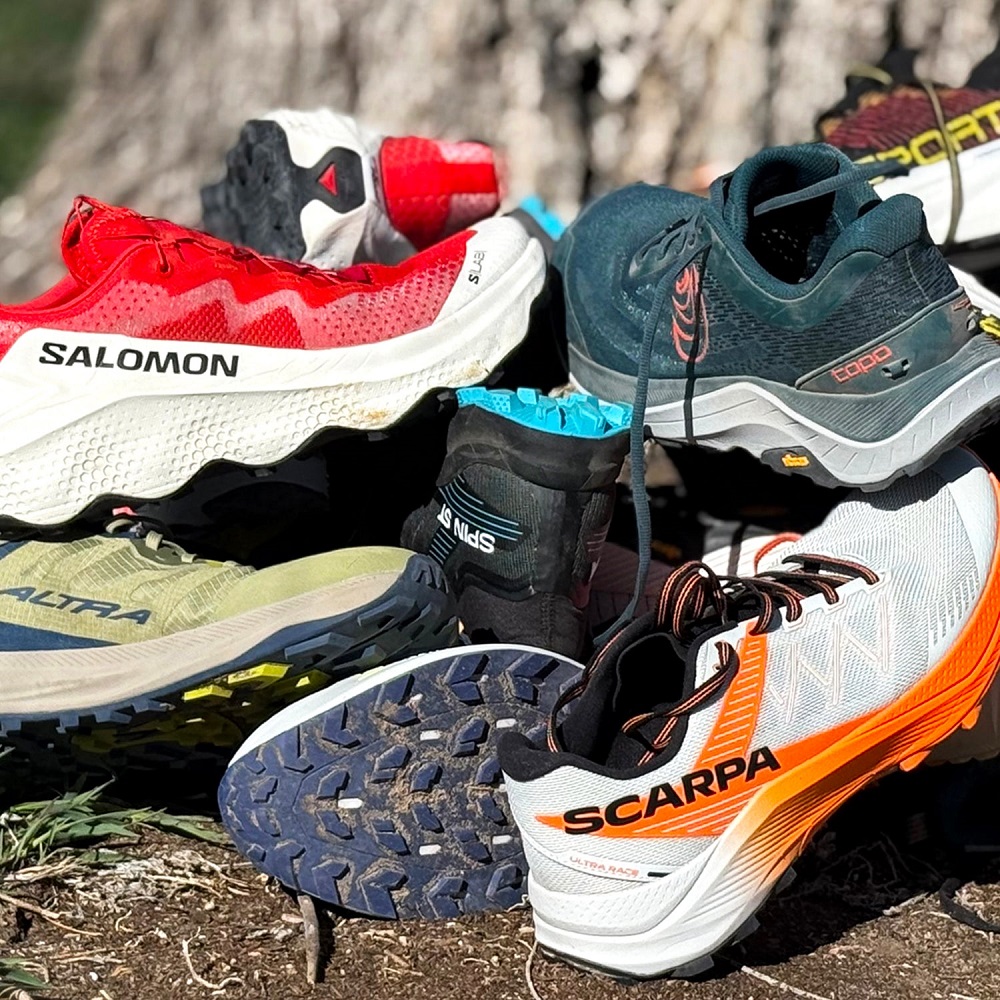
Finding the top trail running shoes starts with knowing the best brands in the market. Renowned for their quality, innovation, and performance, these brands have earned the trust of trail runners worldwide.
Salomon
Salomon is a leading name in trail running shoes. They are known for their excellent traction and durable designs. Their Contagrip outsoles ensure reliable grip on wet and dry trails. Shoes like the Salomon Speedcross are popular for their lightweight feel and superior comfort. They are perfect for technical terrains and provide exceptional protection and stability.
Hoka One One
Hoka One One shoes are celebrated for their plush cushioning and unique design. They are ideal for ultra-runners who seek comfort over long distances. The thick midsoles absorb impact and reduce fatigue on rugged trails. Models like the Hoka Speedgoat are lightweight, providing excellent support and grip for challenging surfaces.
Altra
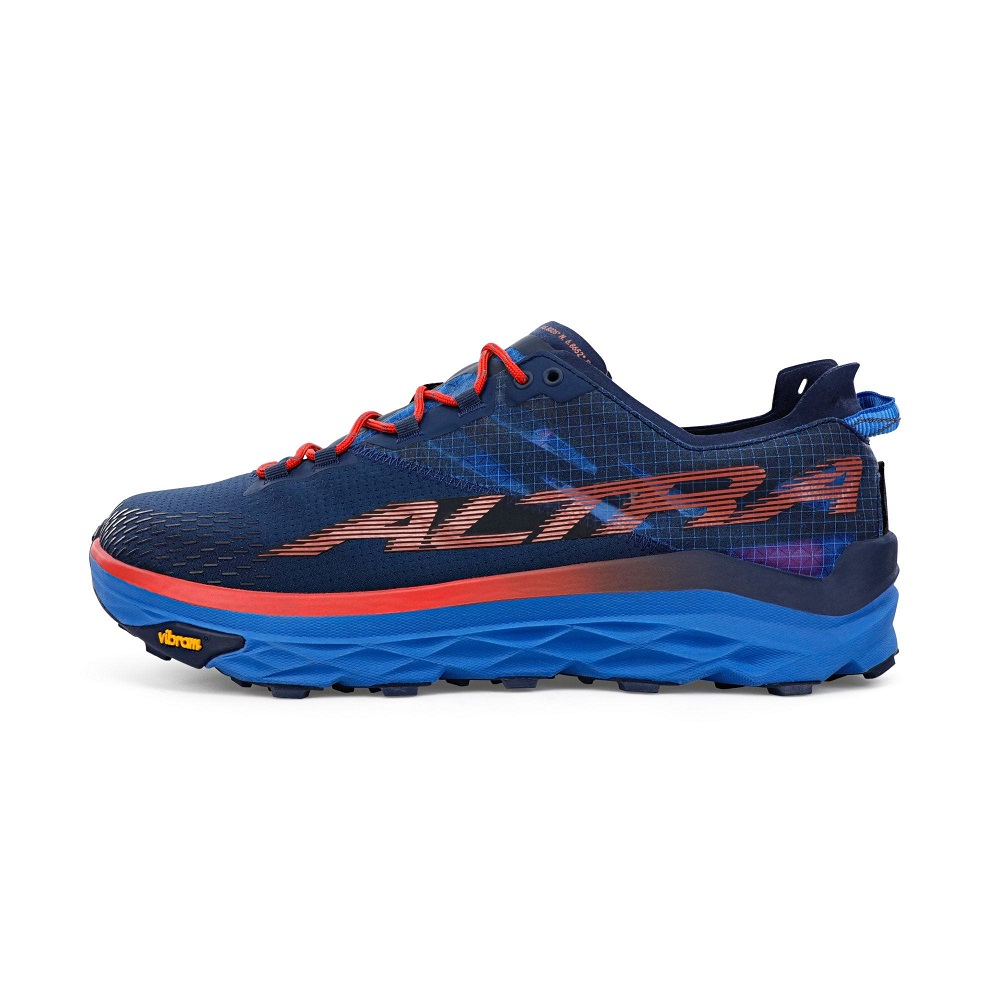
Altra trail running shoes focus on natural foot movement and comfort. They feature a zero-drop platform, ensuring equal height from heel to toe. This helps promote better posture and reduces impact injuries. Altra’s FootShape toe box lets toes splay naturally, enhancing stability. The Altra Lone Peak series is a top choice for trail enthusiasts.
Brooks
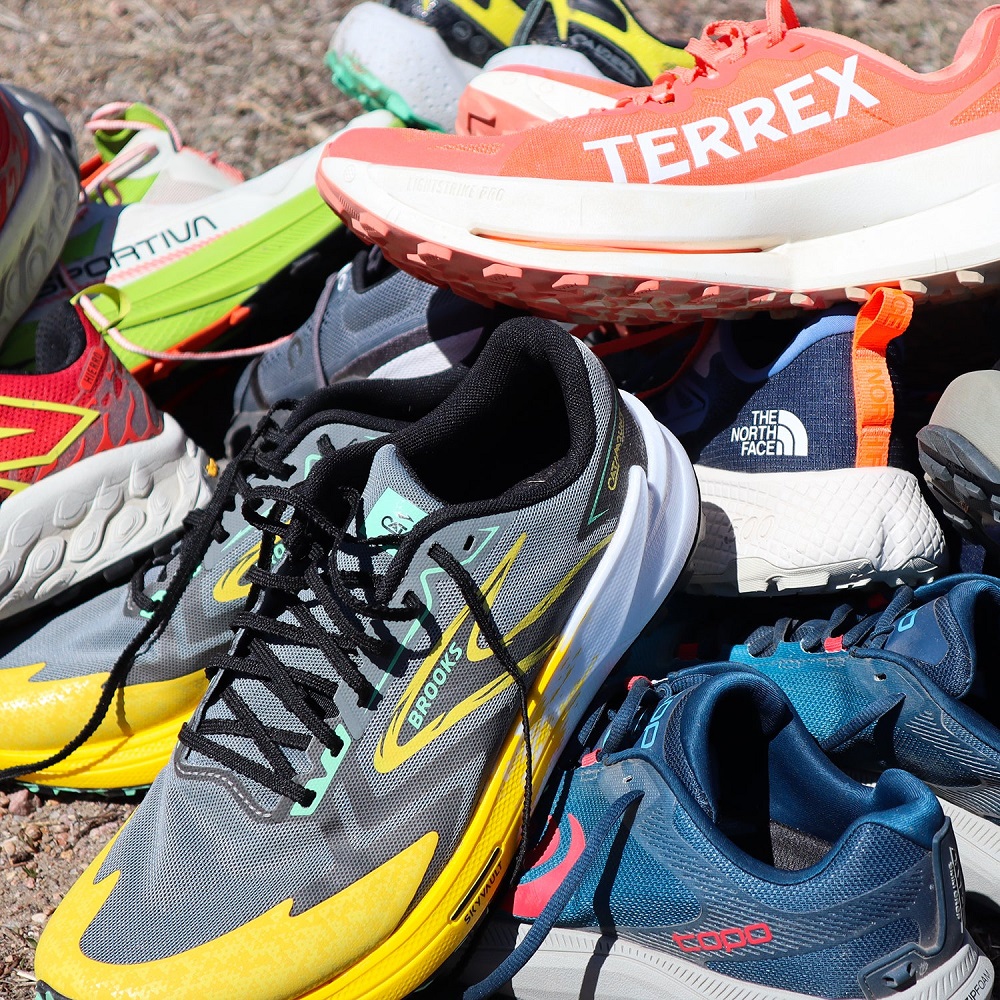
Brooks trail running shoes are a solid choice for both beginners and seasoned runners. They emphasize comfort and support, adapting well to various trail conditions. The BioMoGo DNA midsoles adjust cushioning based on your stride, providing custom comfort. Brooks models, like the Cascadia line, are known for their durability and responsive outsoles.
Each of these top trail running shoe brands combines innovative features to meet different needs. Selecting a trusted brand ensures a more enjoyable and safer trail running experience.
Recommended Trail Running Shoes for Various Terrains
Different terrains require specific trail running shoes. Picking the right pair ensures comfort, grip, and safety during your runs. Below are tailored shoe recommendations for varying trail conditions:
Shoes for Rocky Trails
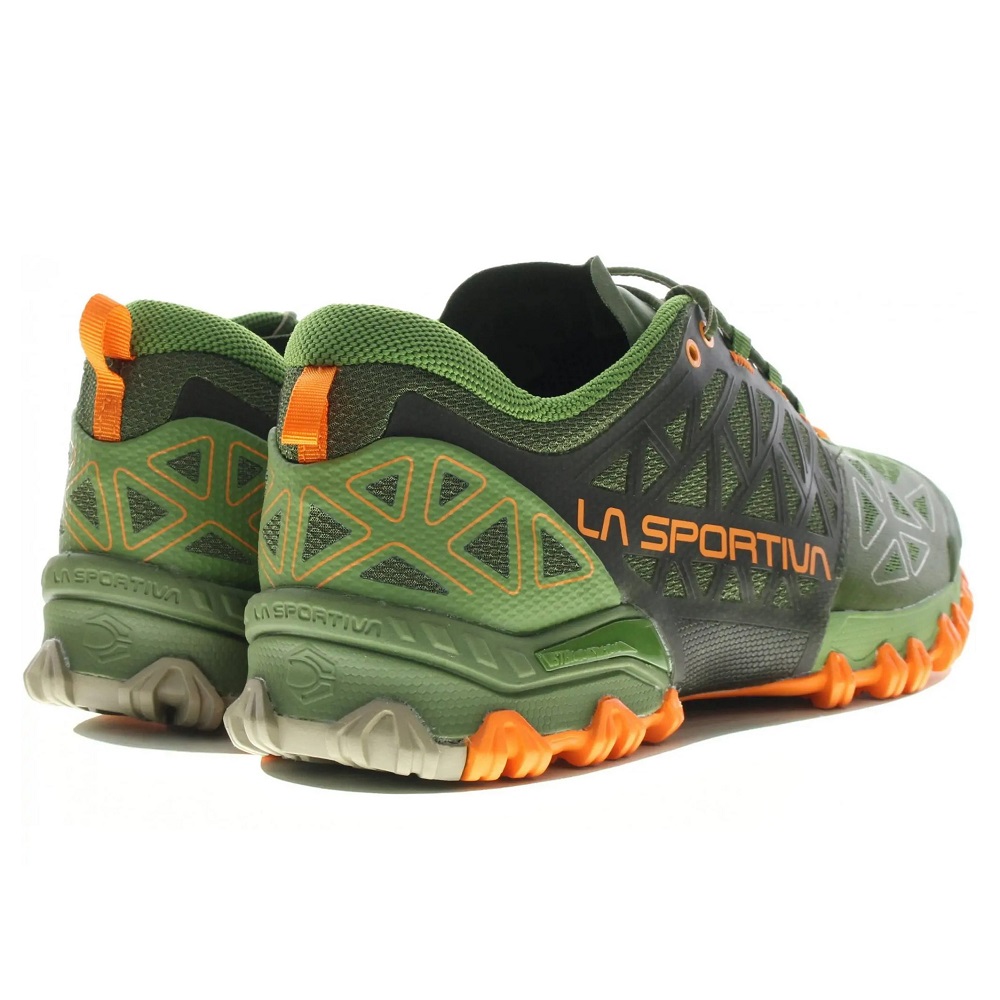
Running on rocky terrains demands unmatched durability and strong foot protection. Look for trail running shoes with reinforced toe caps and sturdy outsoles. Deep, multidirectional lugs provide superior grip on jagged, uneven surfaces. Cushioned midsoles help absorb shocks from sharp rocks. Consider options like the Salomon Speedcross or La Sportiva Bushido II, designed to handle technical, rocky trails.
Shoes for Muddy and Wet Trails
Muddy and wet conditions need shoes with excellent traction and water-resistant properties. Opt for shoes with aggressive lug patterns to grip slippery surfaces effectively. Waterproof membranes, like Gore-Tex, keep your feet dry during wet runs. Quick-drying features are essential for comfort and optimal performance. The Hoka Speedgoat and Saucony Peregrine are great choices for these challenging terrains.
Shoes for Smooth and Forest Trails
Smooth and forest trails require lightweight shoes with good cushioning and versatility. These trails don’t demand heavy traction, so look for low-profile lug patterns. Breathable mesh uppers keep your feet comfortable during long runs. Altra Lone Peak and Brooks Cascadia offer excellent performance with features for stability and comfort. These shoes adapt well to these serene surroundings.
Selecting the best trail running shoes for specific terrains is vital. Prioritize features like traction, comfort, and durability to improve your experience.
How to Choose the Right Trail Running Shoes for You
Selecting the perfect trail running shoes is crucial for performance and comfort. Consider these factors to ensure you make the best choice for your needs:
Assess Your Running Style and Gait
Understanding your running style is the first step. Check your gait—do you overpronate or supinate? Overpronators roll their foot inward excessively, while supinators outward. Many trail running shoes provide support for specific gaits.
For neutral runners, shoes with balanced cushioning work best. If you have a natural pronation, choose a shoe with stability features to maintain alignment. Visit a local running store for a gait analysis if you’re unsure. This can greatly help in identifying the right design for you.
Consider your speed and distance preferences too. Light, responsive shoes suit short, fast runs. Shoes with more cushioning are better for long-distance runs.
Consider Terrain and Weather Conditions
Different terrains require different shoes. Determine the type of trails you’ll frequent most.
- Rocky terrains need shoes with reinforced toe caps and tough outsoles for protection.
- Muddy or wet conditions call for rugged soles with aggressive lugs for traction.
- Dry, smooth trails can work with lightweight shoes that have less aggressive lug patterns.
Weather is another important factor. Wet and winter conditions may need waterproof shoes, while breathable mesh uppers suit dry and hot environments.
Proper Fit and Sizing Tips
A proper fit prevents discomfort and injuries. Your shoes should leave half an inch of space at the toe box. Your feet tend to swell during long runs, so try on shoes later in the day.
Wear the socks you run with while trying on shoes. Ensure they complement the fit and feel. Tight shoes can cause blisters, while loose ones can lead to instability.
Additionally, check for snugness around the heel and midfoot. Shoes with a secure fit will reduce unwanted movement during runs.
Taking these aspects into account will help you find the right pair of trail running shoes, ensuring your runs are safe, comfortable, and enjoyable.
Maintenance Tips for Trail Running Shoes
Keeping your trail running shoes in top condition is essential. Proper maintenance extends their life span and ensures optimal performance. Follow these tips to care for your shoes effectively.
Cleaning and Drying Techniques
Regular cleaning prevents dirt buildup and keeps your shoes fresh. Here’s how to clean and dry them correctly:
- Remove the insoles and laces for thorough cleaning.
- Brush off dirt and debris using a soft-bristle brush.
- For deep cleaning, use mild soap and warm water. Avoid harsh detergents.
- Gently scrub the uppers and outsoles with a cloth or sponge.
- Rinse thoroughly to remove soap residue.
- Air dry your shoes in a well-ventilated space. Avoid direct sunlight or heat.
- Do not use a washing machine or dryer as they can damage materials.
Proper washing and drying techniques ensure clean and odor-free shoes.
Storage Advice
Storing your trail running shoes properly helps maintain their shape and performance. Follow these guidelines:
- Keep your shoes in a cool, dry place away from sunlight.
- Avoid leaving them in damp or humid areas to prevent mold.
- Stuff the shoes with newspaper to retain their shape and absorb moisture.
- Use a shoe bag or box for extra protection during storage.
- Do not compress or stack heavy items on top of your shoes.
Proper storage extends the durability of your trail running shoes.
When to Replace Your Trail Running Shoes
Worn-out shoes decrease performance and increase the risk of injury. Replace your trail shoes when:
- The outsoles lose grip or show significant wear.
- The cushioning feels flat and no longer absorbs impact effectively.
- The uppers have tears, compromising support and durability.
- The overall mileage exceeds 300-500 miles, depending on wear conditions.
- Your feet feel discomfort or pain during runs.
Monitoring wear signs helps you identify the right time for a replacement. Invest in new shoes to ensure comfort and safety.
Maintain your trail running shoes consistently to enhance their performance and enjoy longer-lasting use.
Setting Realistic Goals and Training Plans
Importance of Goal Setting
If you’re transitioning to trail running or looking to improve your performance, setting realistic goals is vital. Whether you aim to run a specific distance or participate in a local trail race, having clear objectives will help maintain motivation. Start with short-term goals that focus on consistency, such as running a certain number of days per week. Gradually progress to longer distances and more challenging trails. Setting milestones will allow you to track progress and celebrate achievements along the way, instilling confidence in your ability to conquer new challenges.
Developing a Training Schedule
A well-structured training plan can enhance your trail running experience. Consider incorporating a mix of long runs, speed workouts, and hill training to build endurance and strength. Include rest days to allow your body to recover, as this is equally important. Different terrains require various training techniques; for instance, hill workouts help improve strength and power for navigating ascents and descents effectively. Tailoring your training to include specific elements related to trail running will prepare you to perform at your best during races or regular outings.
The Social Aspect of Trail Running
Joining Running Groups or Clubs
One of the beautiful aspects of trail running is the community surrounding it. Joining a running group or club can provide motivation, camaraderie, and valuable support. Many local clubs organize group runs, races, and training sessions, allowing you to connect with fellow enthusiasts. These social interactions can make your running experience more enjoyable as you share knowledge, tips, and encouragement. Finding like-minded individuals who share your passion for the outdoors can enhance your dedication and enjoyment of trail running.
Participating in Events and Races
Participating in organized trail running events or races can be a significant highlight for any trail runner. These events often take place in stunning locations, allowing you to experience breathtaking landscapes while testing your abilities. Engaging in races, whether competitive or casual, will not only push your limits but can also provide a sense of accomplishment. Many trail races emphasize a friendly atmosphere, encouraging participants of all skill levels. Taking part in such events can help foster a love for trail running and strengthen your commitment to the activity.
Conclusion: Embrace the Joy of Trail Running
In conclusion, men’s top trail running shoes are a crucial part of the gear needed for enjoyable and successful runs through nature. Selecting the right pair ensures comfort, support, and performance tailored to your needs. In addition to footwear, consider layering clothing and utilizing accessories for an optimal trail running experience. Setting realistic goals and adhering to a tailored training plan will contribute to your overall success and enjoyment.
Finally, embracing the social aspect of trail running can enhance your motivation and community engagement. Connect with fellow runners and participate in events to fully experience the thrill of trail running. With the right footwear and a supportive community, you are well-equipped to explore the beauty of nature while maintaining an active lifestyle. So lace up those trail running shoes, head to the great outdoors, and embrace the joy of running on rugged paths!