Best Stability Running Shoes for Women: Key Features to Look For
Contents
hide
What Are Stability Running Shoes?
Best stability running shoes for women are designed to provide support and balance. They help runners who overpronate, a condition where the foot rolls inward too much during strides. These shoes work by guiding the foot into a more neutral position.
Key Characteristics of Stability Running Shoes
- Midsole Support: Stability shoes often have firmer midsoles for added arch support and control.
- Heel Counter: A sturdy heel counter ensures stability and reduces excessive movement.
- Dual-density Foam: Found in the midsole, it helps correct overpronation.
- Stability Inserts: Some models include inserts to enhance support.
Who Needs Stability Running Shoes?
Stability running shoes are ideal for runners with moderate overpronation. They provide better balance and can reduce injury risk. If you experience knee or ankle pain while running, stability shoes might help. Evaluate your arch and running style to confirm your needs.
Why Are They Important?
- Improved Comfort: Stability running shoes ensure a proper gait cycle and reduce strain on your feet.
- Enhanced Performance: Correct alignment boosts efficiency during runs.
- Injury Prevention: They help prevent common running injuries like plantar fasciitis and shin splints.
Stability running shoes are a crucial gear for runners who need extra support, especially women seeking the best stability running shoes for long-term usage.
Benefits of Using Stability Running Shoes
Stability running shoes are designed to address specific needs for runners who overpronate. Their structure ensures added support, balance, and protection during runs. These benefits make them an essential choice for many women.
Enhanced Comfort
Stability running shoes align your feet properly, improving overall comfort. They reduce pressure and strain on arches and ankles, ensuring a smoother running experience. Proper support minimizes fatigue, especially during long runs.
Injury Prevention
These shoes are beneficial for reducing injury risks. Overpronation can cause issues like plantar fasciitis, shin splints, or knee pain. Stability features, like arch support and heel counters, prevent excessive foot movement that leads to injuries.
Improved Performance
A balanced gait cycle enhances running efficiency. Stability shoes eliminate instability in your stride, allowing better focus and energy transfer. This benefit is especially important for long-distance running.
Better Balance
Women with moderate overpronation find improved balance with stability running shoes. The dual-density foam midsole and inserts guide your feet to maintain the right posture as you run.
Support for Different Terrain
Stability shoes offer reliable support on various surfaces. Whether you’re on a treadmill or uneven trails, their features ensure consistency and protection in movement.
By using stability running shoes, women can experience more enjoyable and safe runs. They provide practical solutions for comfort, injury prevention, and enhanced performance.
Features to Look for in Women’s Stability Running Shoes
When choosing the best stability running shoes for women, focus on specific features. These features ensure the shoes provide the necessary support, comfort, and durability for optimal performance. Here’s what to look for:
1. Arch Support
Strong arch support is vital in stability running shoes. It helps control overpronation and improves comfort. Look for foam or inserts that fit the shape of your arch.
2. Dual-Density Midsole
The midsole structure is important for stability. Dual-density foam helps correct overpronation by providing firm support where needed.
3. Heel Counter
A sturdy heel counter offers excellent rearfoot stability. It reduces excessive heel movement during strides, ensuring a proper gait cycle.
4. Cushioning
Proper cushioning absorbs impact during runs. Look for a balance between softness and firmness to support both comfort and stability.
5. Breathable Upper Material
A breathable upper keeps your feet cool and dry. Mesh fabrics are popular for ensuring proper ventilation.
6. Lightweight Design
Opt for shoes that offer support without feeling too heavy. Lightweight designs reduce fatigue during long runs.
7. Durable Outsole
A durable outsole ensures longevity and traction on various terrains. Rubber soles can provide a better grip for slippery or uneven surfaces.
8. Stability Features
Choose shoes with midfoot shanks or guide rails. These features enhance balance and prevent the foot from rolling inward.
9. Flexibility
A flexible forefoot promotes natural foot movement. Test the shoe’s flexibility with a simple bend to check its responsiveness.
10. Proper Fit
Ensure the shoes fit snugly but not too tight. Proper sizing prevents discomfort and blisters.
Considering these features will help you select the best stability running shoes for women. The right pair can improve comfort, enhance performance, and protect against injuries during your runs.
Top Brands Offering Stability Running Shoes for Women
When it comes to stability running shoes, some brands consistently deliver top-quality products. They combine innovative designs with comfort and functionality to meet women’s unique running needs. Below are the top brands offering the best stability running shoes for women:
1. ASICS
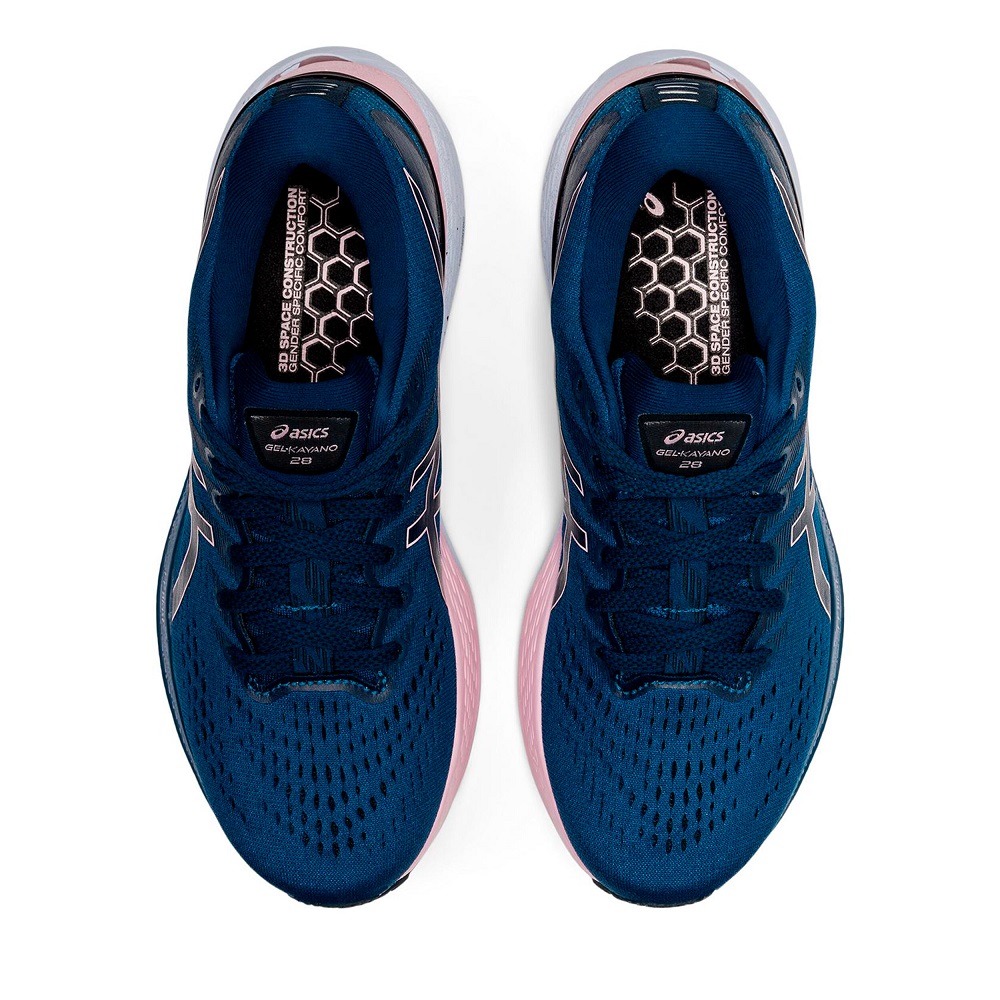
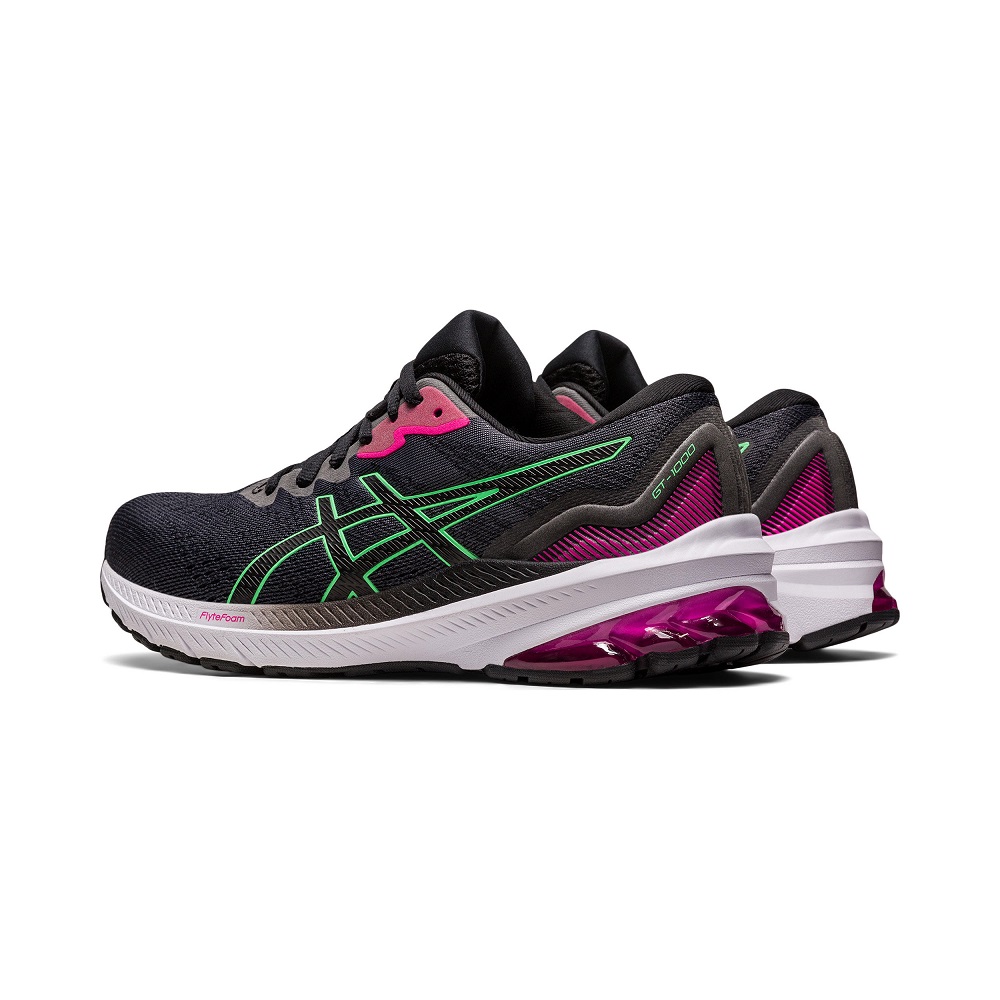
ASICS is renowned for its durable and comfortable stability running shoes. Their designs include advanced gel cushioning and dynamic support systems. Popular models like the ASICS Gel-Kayano are ideal for moderate overpronation.
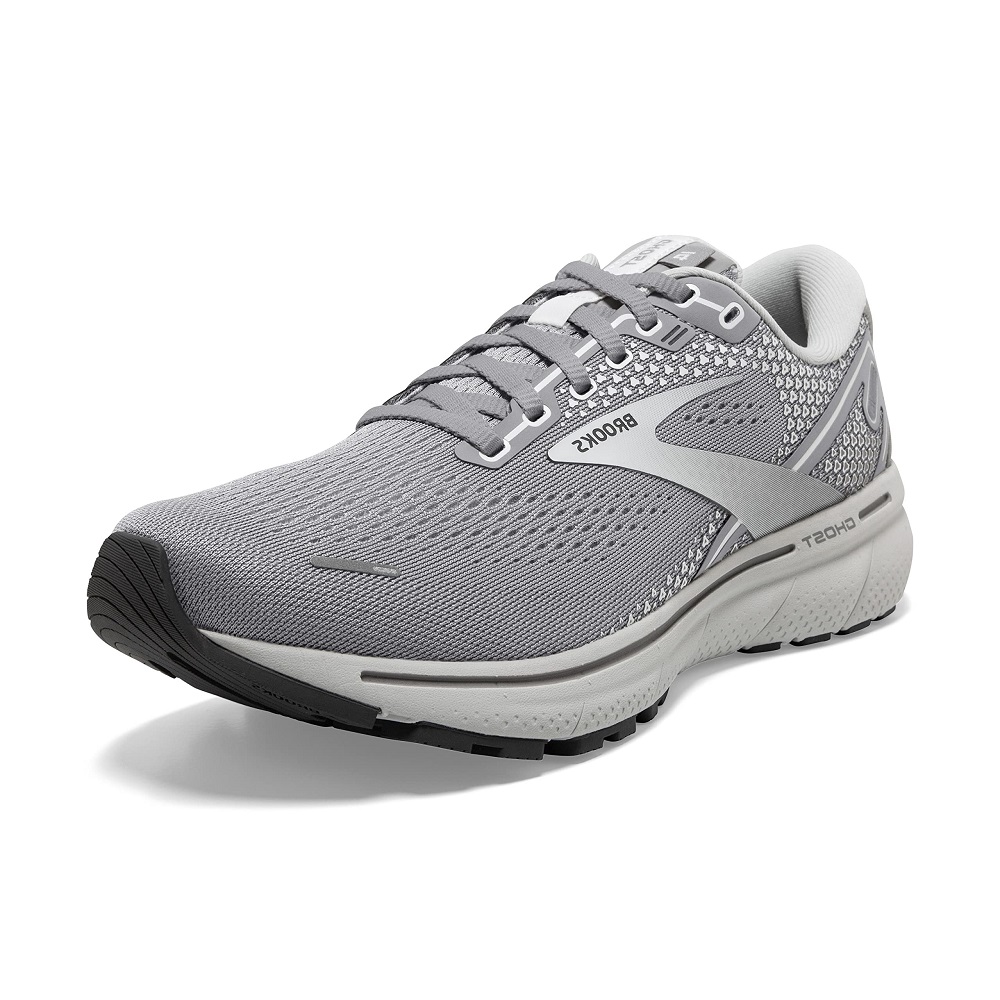
2. Brooks
Brooks specializes in stability shoes with focus on cushioning and support. Their GuideRails technology keeps your stride controlled and balanced. Women’s favorites include the Brooks Adrenaline GTS series.
3. Saucony
Saucony combines lightweight designs with effective stability features. Their midsoles include PWRRUN cushioning for maximum comfort. Models like the Saucony Guide deliver consistent support on various terrains.
4. New Balance
New Balance offers highly customizable stability shoes to suit all foot shapes. Their Stability Web technology enhances arch support. Popular options include the New Balance Fresh Foam Vongo.
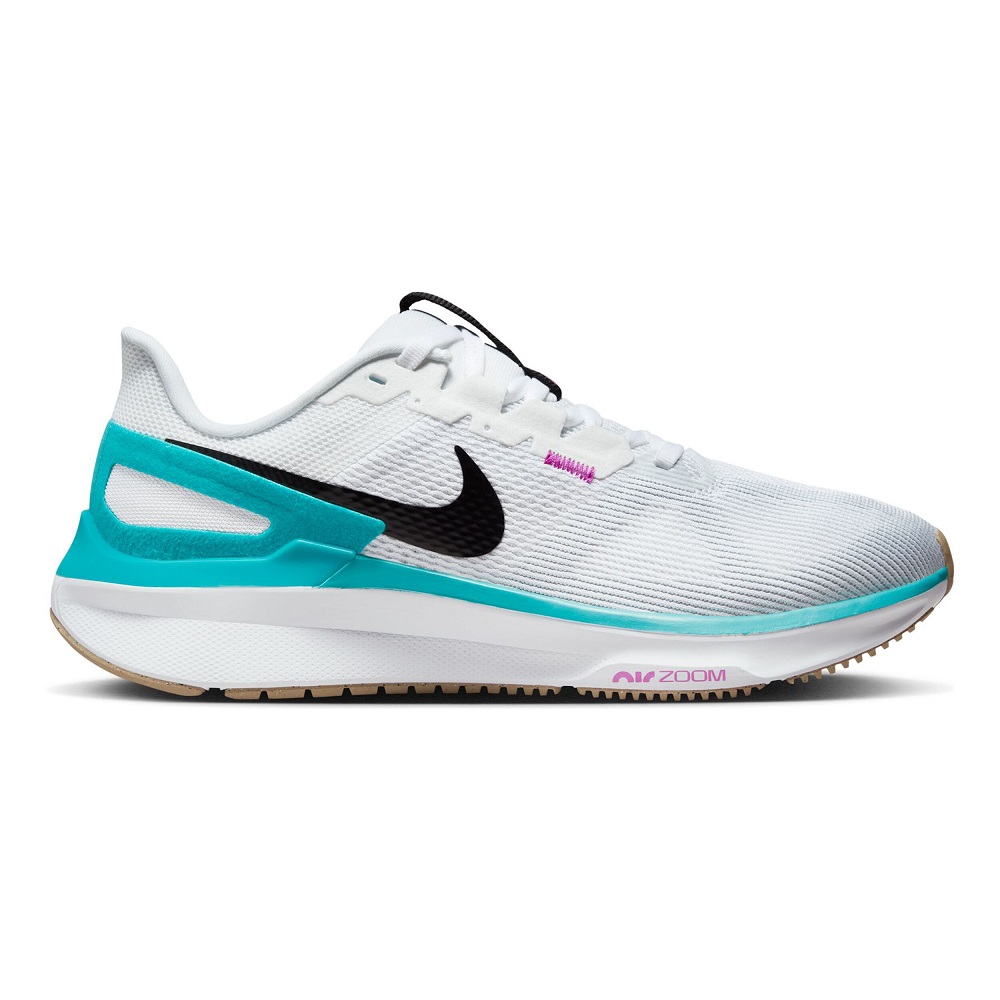
5. Nike
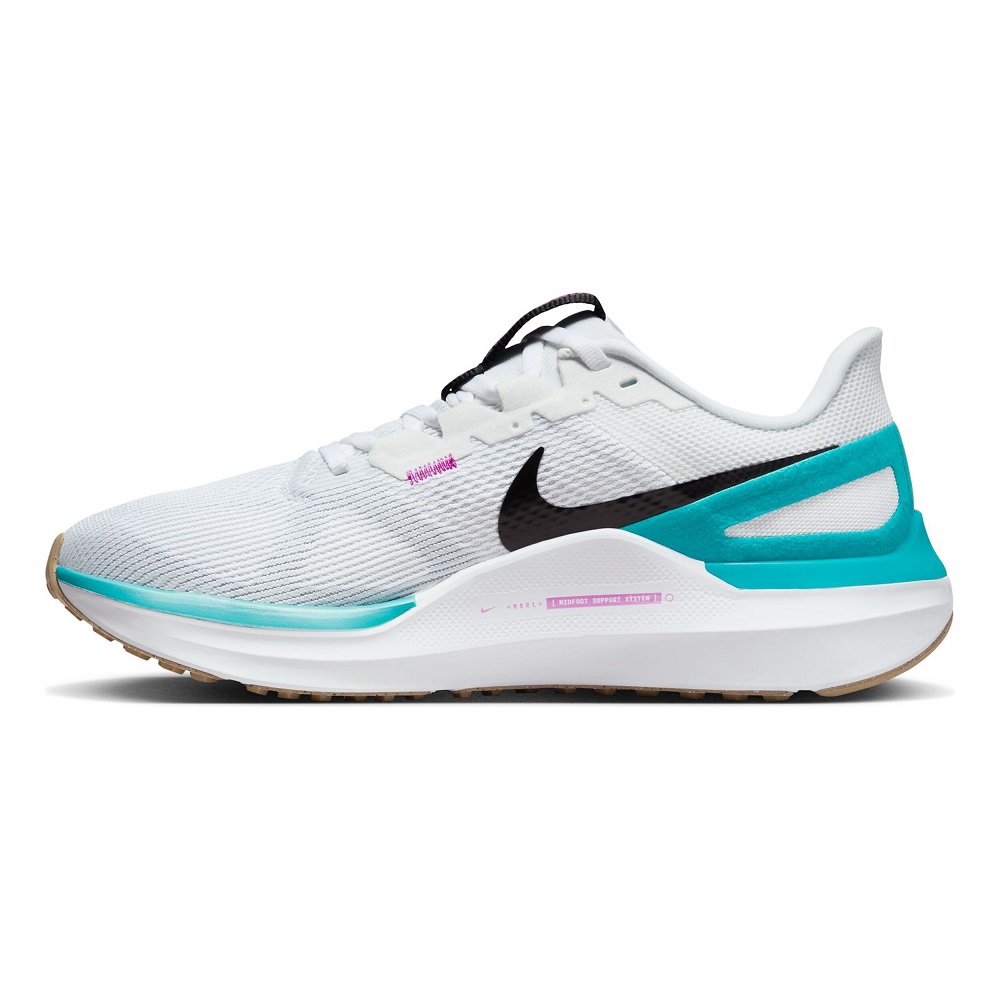
Nike creates stylish and high-performance stability shoes with advanced Nike React foam. They provide lightweight comfort and arch support. Check out Nike Air Zoom Structure for a balanced running experience.
6. HOKA ONE ONE
HOKA ONE ONE specializes in stability shoes with excellent cushioning. Their oversized midsoles reduce impact during runs. Models like HOKA Arahi are popular among women with overpronation.
7. Mizuno
Mizuno designs innovative shoes with Wave technology for added stability. Their lightweight construction ensures smooth transitions during runs. The Mizuno Wave Inspire series is a top choice for women.
8. Adidas
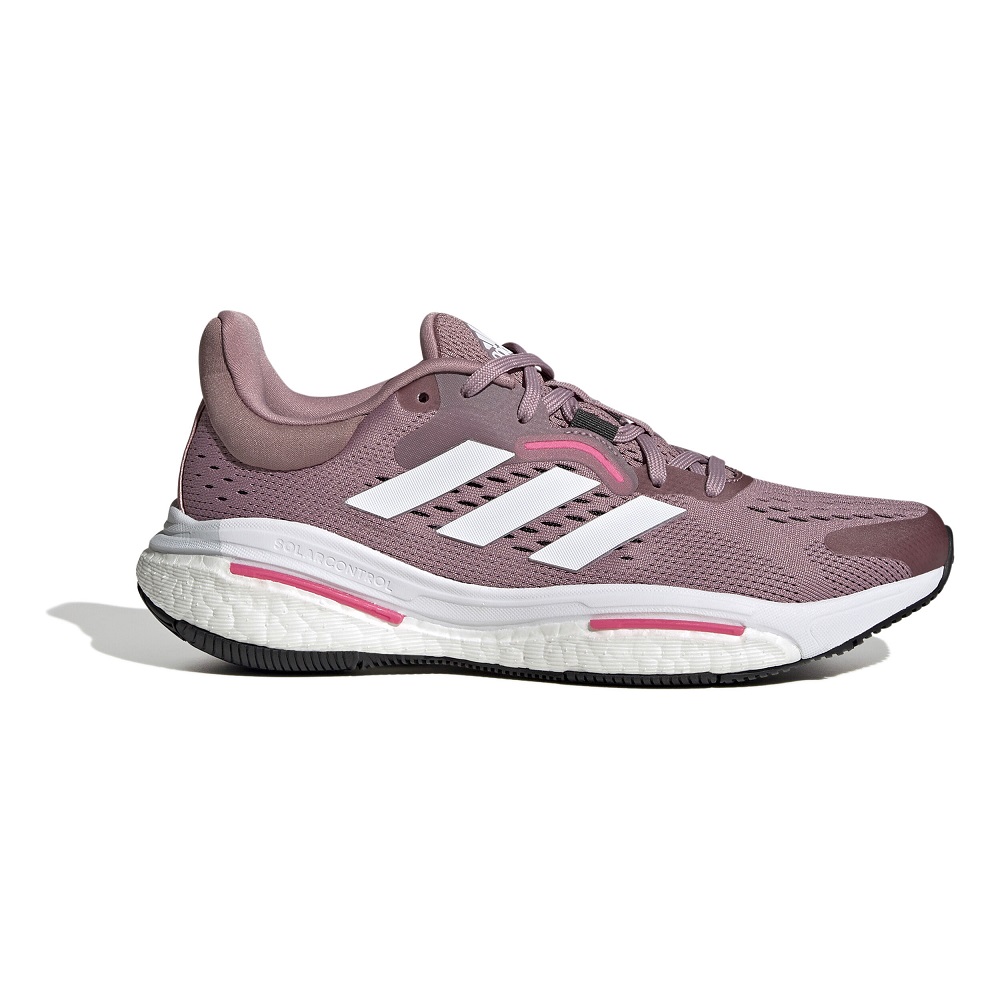
Adidas blends performance with modern aesthetics in their stability shoes. BOOST foam offers excellent responsiveness and support. Women’s favorites include the Adidas Solar Glide ST.
9. On Running
On Running creates unique stability shoes with CloudTec technology for a soft landing. Their shoes balance comfort and support. Check out models like On Cloudflyer for versatile running needs.
These brands consistently offer high-quality stability running shoes tailored to women’s needs. Choosing the best one depends on your foot type, arch support requirements, and preferred style. Prioritize fit and features to find the ideal pair for safe and comfortable runs.
Best Stability Running Shoes for Different Foot Types
Finding the best stability running shoes for women foot type is important. Each foot type has specific needs. Wearing the right shoes ensures comfort, support, and injury prevention. Below are recommendations for different foot types:
For Flat Feet
- Features to Look For:
- Strong arch support to prevent overpronation.
- Sturdy heel counter for added stability.
- Dual-density midsoles for extra firmness in the arch region.
- Top Picks:
- ASICS Gel-Kayano: Supports flat feet with gel cushioning and a flexible midsole.
- Brooks Adrenaline GTS: Provides GuideRails technology to keep your feet in position.
For High Arches
- Features to Look For:
- Soft cushioning for shock absorption.
- Arch support inserts to prevent strain.
- Flexible forefoot for smooth transitions.
- Top Picks:
- Saucony Guide: PWRRUN cushioning provides support for high arch comfort.
- HOKA Arahi: Offers extra cushioning and stability tailored for high arches.
Neutral Pronation
- Features to Look For:
- Balanced cushioning for comfort.
- Moderate arch support for stability.
- Lightweight and breathable materials.
- Top Picks:
- Adidas Solar Glide ST: Balanced design with BOOST foam for natural strides.
- Nike Air Zoom Structure: Provides lightweight comfort with mild stability features.
For Wide Feet
- Features to Look For:
- Wide toe box to prevent pressure.
- Customizable fit for increased comfort.
- Durable outsole for extended wear.
- Top Picks:
- New Balance Fresh Foam Vongo: Customizable sizes for wide feet and excellent arch support.
- Mizuno Wave Inspire: Lightweight and offers proper foot placement.
For Narrow Feet
- Features to Look For:
- Snug-fitting upper material.
- Cushioned yet narrow design for support.
- Lightweight for long runs.
- Top Picks:
- On Cloudflyer: Provides slim fit and ample support for narrow feet.
- Saucony Omni: Ensures a snug fit with great heel and arch support.
No matter your foot type, prioritize proper fit and comfort when choosing stability shoes. Select from reputable brands for reliable support and long-term running satisfaction.
How to Choose the Right Fit and Size
Selecting the right stability running shoes is crucial for comfort and performance. A proper fit and accurate size ensure your feet are supported during runs and prevent injuries. Follow these tips to find the ideal pair:
Measure Your Feet
- Measure your feet in the afternoon when they are slightly swollen.
- Use a ruler or measuring device to check the length and width.
- Compare your measurements with the shoe size chart provided by the brand.
Consider Shoe Width
- Wide feet need shoes with a spacious toe box.
- Narrow feet require adjustable uppers to ensure a snug fit.
Test the Fit
- Try on running shoes wearing your usual socks.
- Leave about a thumb’s width of space at the front.
- Ensure the heel is secure, and the foot doesn’t slip during strides.
Try Shoes for Your Arch Type
- Choose shoes that support your arch type, whether flat, high, or neutral.
- Stability shoes with dual-density midsoles help with overpronation and arch corrections.
Prioritize Comfort
- Ensure there are no pressure points or tight areas.
- Check for proper cushioning in the midsole.
Walk or Run in the Shoes
- Test stability, comfort, and fit by walking or jogging indoors.
- Evaluate how the shoes align your foot during movement.
Don’t Rely Only on Sizes
- Sizing varies by brand and model. Always try the shoes before buying.
- Read reviews from runners with similar foot shapes to get insights.
Consult Experts
- Visit specialty running stores to get personalized advice.
- Use a gait analysis service to assess your stride and shoe needs.
Choosing the right fit and size ensures optimal support and comfort. Combine proper measurements, testing methods, and expert advice to find the best stability running shoes for women.
Maintenance Tips for Longevity of Running Shoes
Proper care can extend the life of your best stability running shoes for women. Follow these practical tips to ensure durability and performance:
1. Clean Them Regularly
- Remove dirt and debris after each run.
- Use a soft brush or cloth to clean the outsole and upper.
- Avoid using harsh chemicals that might damage the material.
2. Air Them Out
- Let your shoes dry naturally after every use.
- Avoid placing them directly under sunlight, which can weaken the material.
- Stuff newspapers inside the shoes to absorb moisture.
3. Rotate Your Shoes
- Alternate between multiple pairs for different runs.
- This allows the cushion to decompress and extends longevity.
- Choose a different pair for shorter or trail runs to ease wear and tear.
4. Store Shoes Properly
- Keep your shoes in a cool, dry place.
- Avoid damp areas that can lead to mold or bad odors.
- Use shoe bags or a dedicated storage box to protect them from dust.
5. Inspect Soles and Uppers Regularly
- Check the outsole for wear and tear, including uneven tread patterns.
- Inspect the uppers for tears or weak spots.
- Replace the shoes if the midsole cushioning feels flat or unresponsive.
6. Avoid Machine Washing
- Hand wash your shoes with mild soap and water.
- Avoid submerging them completely in water as it can weaken the structure.
- Never use a dryer since heat damages adhesives and synthetic materials.
7. Replace Insoles When Needed
- Over time, insoles may become worn-out and lose cushioning.
- Replace insoles to maintain comfort, especially for longer runs.
- Custom orthotics can also improve fit and support.
8. Avoid Overuse
- Avoid overusing the same pair of shoes for every activity.
- Reserve stability running shoes for running only instead of daily wear.
9. Track Shoe Mileage
- Keep a log of the distances you’ve run in your shoes.
- Replace your stability running shoes after 300-500 miles, depending on wear.
By following these maintenance tips, you can make your stability running shoes last longer. Regular care keeps them in good shape, supporting your comfort and performance during every run.
Frequently Asked Questions About Stability Running Shoes
1. What are stability running shoes used for?
Stability running shoes are designed for runners who overpronate. They provide arch support and guide the foot into a neutral position, reducing the risk of injuries.
2. Who should wear stability running shoes?
Runners with moderate overpronation should wear stability running shoes. It’s also ideal for individuals with flat arches or those who experience pain during runs.
3. Do stability running shoes help prevent injuries?
Yes, they help prevent injuries like plantar fasciitis, shin splints, and knee discomfort. Their design offers better balance and reduces strain on your feet and joints.
4. Can I wear stability running shoes for regular walking?
Yes, you can. They provide extra support and comfort, making them suitable for walking. However, they are best suited for running.
5. How long do stability running shoes last?
They typically last between 300 to 500 miles. Regular maintenance and alternating pairs can extend their lifespan.
6. How do I know if I overpronate?
Check the wear pattern on your old shoes. Excessive wear on the inner edge is a sign of overpronation. A gait analysis at a specialty store can confirm this.
7. Are stability shoes heavy?
No, many brands now design lightweight stability shoes with advanced materials for comfort and performance.
8. Do all brands offer stability running shoes?
No, but several top brands, like ASICS, Brooks, and New Balance, specialize in stability shoes.
9. Can I use insoles with stability shoes?
Yes, adding orthotic insoles can enhance arch support and improve comfort further.
10. How do I choose the right stability running shoes?
Evaluate your arch type, running style, and fit. Consider features like midsole support and heel counters.