Best Running Shoes for Arch Support: Top Choices for Happy Feet
Why Arch Support Matters for Runners
Arch support plays a crucial role in running performance and overall foot health. When you run, your feet endure significant impact, which can lead to discomfort or injury without proper support. The best running shoes for arch support helps distribute pressure evenly across your foot, reducing strain on specific areas.
Benefits of Proper Arch Support
- Reduces Foot Pain: Arch support minimizes stress on muscles and tendons, preventing pain during and after runs.
- Prevents Common Injuries: Issues like plantar fasciitis or shin splints can be avoided with the right support.
- Enhances Performance: Proper support ensures better stability and alignment, helping you run efficiently.
- Improves Comfort: Well-supported arches reduce fatigue, allowing you to run longer distances comfortably.
Importance for Different Arch Types
Every runner has a unique foot arch type: high, flat, or neutral. Each type requires specific support:
- High Arches: Need cushioning to absorb impact and prevent excessive pressure.
- Flat Feet: Benefit from structured support to maintain foot alignment and prevent overpronation.
- Neutral Arches: Require balanced support for natural movement and comfort.
Choosing the best running shoes for arch support tailored to your arch type ensures better performance and lowers the risk of injury.
Key Features to Look for in Running Shoes with Arch Support
Choosing the best running shoes for arch support is essential for comfort and performance. Key features help ensure the right support and protection for your feet.
1. Cushioning
Cushioning absorbs shock and minimizes pressure on the arches. Look for lightweight foam or gel cushioning that reduces the impact with each step.
2. Arch Support Insoles
High-quality arch support insoles provide stability and alignment. These insoles help support natural foot movement and prevent overpronation or underpronation.
3. Heel Counter
A firm heel counter secures your foot in place, ensuring better stability. This feature prevents unwanted movement and reduces strain on the arches.
4. Flexible Midsole
A flexible midsole allows natural foot movement while providing necessary support. It adjusts to your stride, ensuring comfortable and efficient runs.
5. Breathable Material
Breathable uppers keep your feet cool and dry. Look for shoes with mesh material that enhances ventilation and prevents moisture buildup.
6. Lightweight Design
Lightweight shoes improve agility and reduce fatigue. They allow easier movement, making long-distance runs more manageable.
7. Durable Outsole
A durable outsole provides optimal traction and longevity. It ensures a steady grip on different terrains, helping with stability.
8. Proper Fit
Shoes should fit snugly without being too tight. Adjustable laces or straps help you customize the fit, ensuring comfort and support.
Focus on these features when selecting running shoes for arch support. They help improve your running experience and protect your feet from injuries.

Types of Arch Support and How to Identify Yours
Arch support types vary for different needs. Identifying your arch type is essential for comfort and performance. Knowing your foot’s arch type ensures you choose the right running shoes for arch support. There are three main arch types: high, flat, and neutral.
High Arches
High-arched feet require shoes with extra cushioning. This type of arch can create excessive pressure on the heel and ball of the foot. Cushioning helps absorb shock and distribute pressure evenly. If you have high arches, look for flexible soles and soft insoles.
Flat Feet
Flat feet typically lack a natural arch, leading to overpronation. Supportive shoes with structured arch support are ideal for flat feet. These shoes help maintain alignment and stability during runs. Look for motion-control or stability shoes for added support.
Neutral Arches
Neutral arches are balanced and require moderate support. Shoes for this arch type should have a combination of cushioning and stability. They provide natural movement and all-around comfort during runs.
How to Identify Your Arch Type
You can identify your arch type using the wet test. Follow these simple steps:
- Wet your foot.
- Step onto a piece of paper or a flat surface.
- Observe the footprint left behind:
- High Arches: A thin connection between the ball and heel.
- Flat Feet: Almost all of the foot is visible.
- Neutral Arches: Moderate curvature connecting heel and ball, showing a middle ground.
Choosing the best running shoes for arch support based on your foot type reduces discomfort and injuries. Always consider your arch type before buying new running shoes.
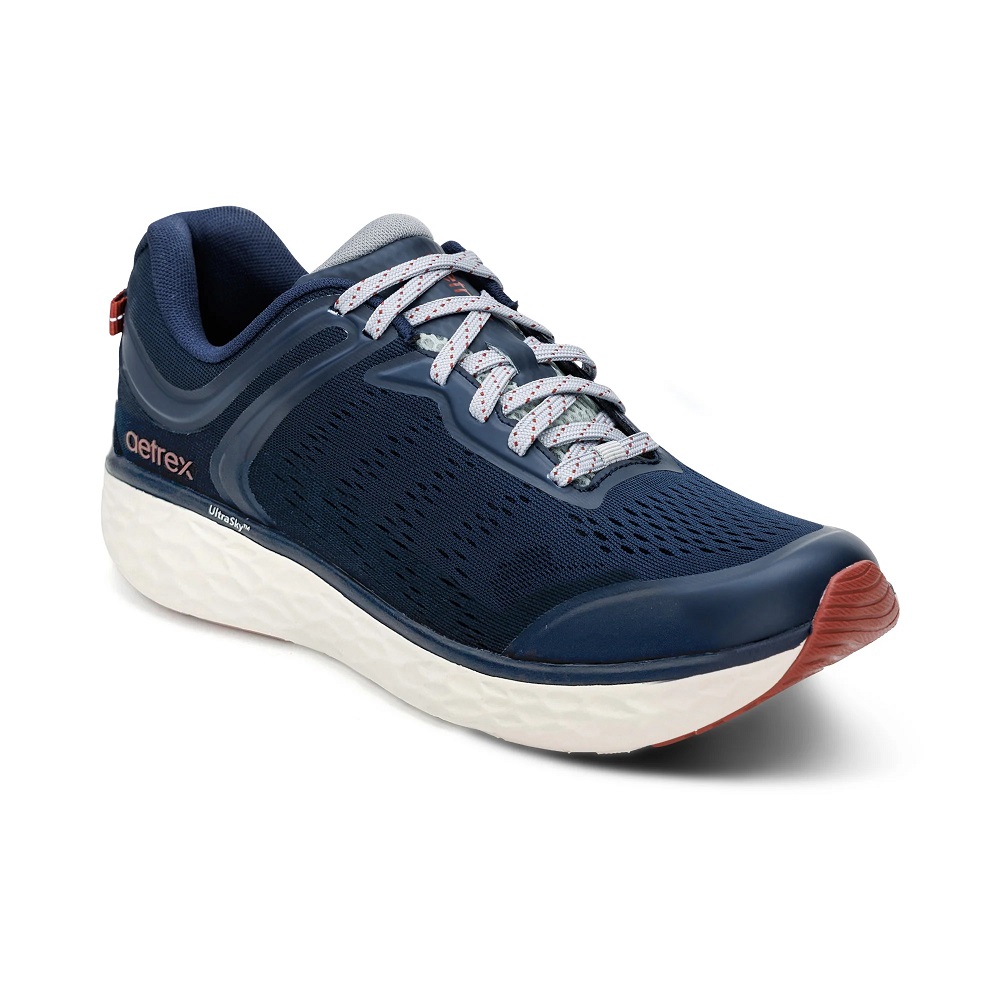
Best Running Shoes for Different Arch Types
High-Arched Feet
High-arched feet place excessive pressure on the heel and ball of the foot. Look for shoes with extra cushioning and flexibility. Cushioning helps absorb shock and evenly distributes pressure during runs. Flexible soles ensure natural movement and improve foot comfort. Soft insoles or padded midsoles work best for cushioning needs. The best running shoes for arch support with high arches have features like supportive overlays. These overlays enhance stability and reduce discomfort for high-arched runners.
Flat Feet
Flat feet can lead to overpronation, causing instability and discomfort during runs. Shoes with structured arch support are ideal for flat feet. Support maintains proper foot alignment and minimizes strain. Motion-control or stability shoes provide the extra support that flat feet require. These shoes offer firm firmness and motion guidance to prevent injuries. Structured midsoles also help with proper alignment and comfort for flat-footed runners. Always choose running shoes with arch support specifically tailored for flat-footed needs.
Neutral Arches
Neutral arches require balanced support for all-around comfort. Shoes for neutral arches should have a mix of cushioning and stability. Balanced midsoles ensure natural foot movement during runs and reduce fatigue. Look for running shoes designed for moderate support that aligns well with neutral arches. These shoes help enhance performance and long-distance running comfort. Arch support for neutral arches focuses on maintaining a stable yet flexible stride.
Top Running Shoe Brands for Arch Support
Choosing the right running shoe brand can significantly improve your comfort and performance. Several top brands focus on delivering excellent arch support for runners. Below are some highly recommended running shoe brands for arch support:
1. ASICS
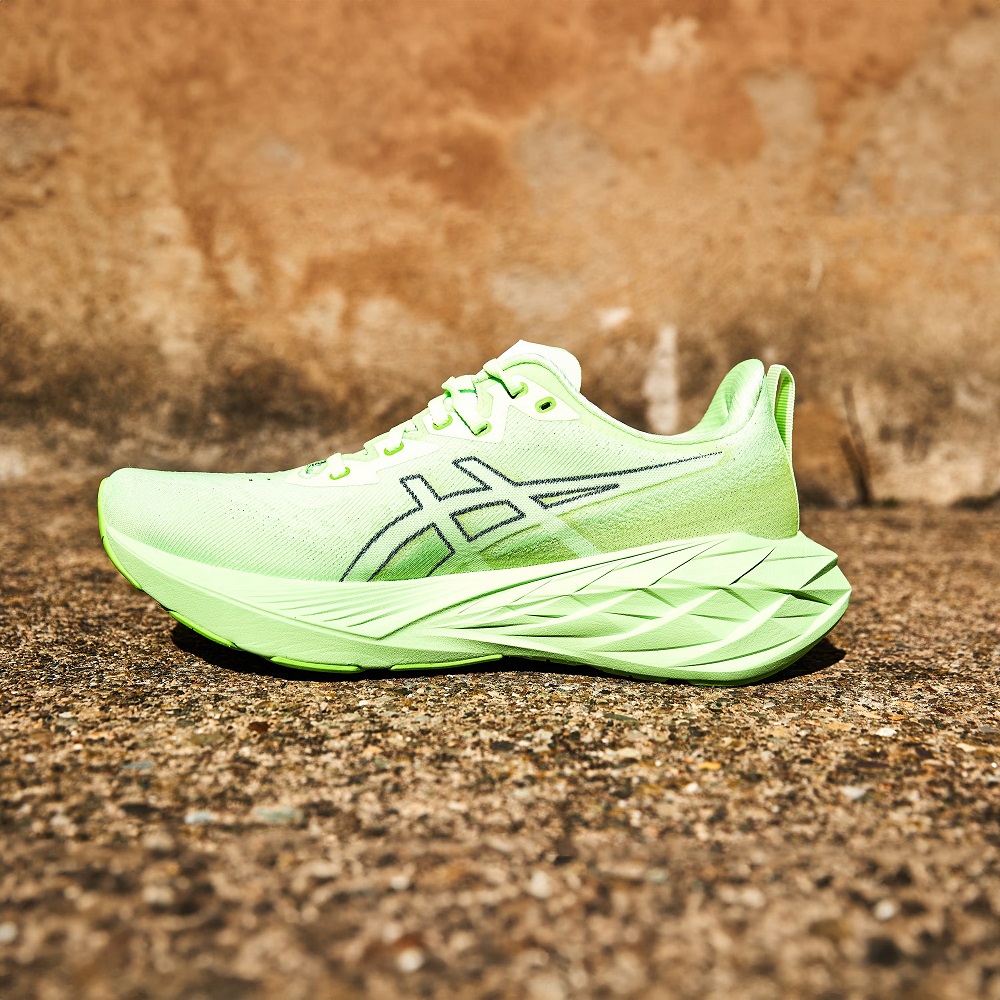
ASICS designs shoes with advanced arch support features. Their Gel series provides excellent cushioning and stability. They also include FlyteFoam technology, which ensures responsive comfort during runs. ASICS shoes cater to various arch types, making them a versatile choice.
2. Brooks
Brooks specializes in creating supportive running shoes for all foot types. Their GuideRails support system enhances alignment and reduces overpronation. Brooks running shoes are well-known for their comfortable fit and durable construction.
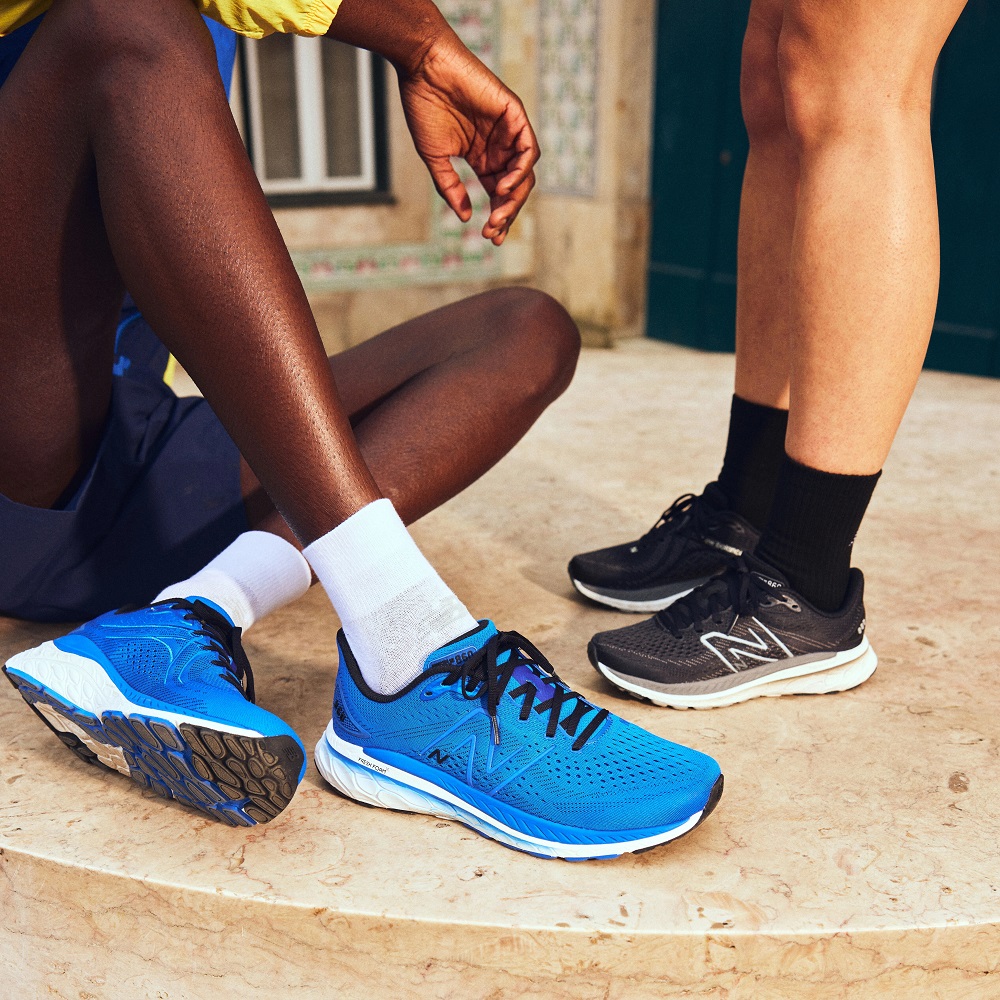
3. New Balance
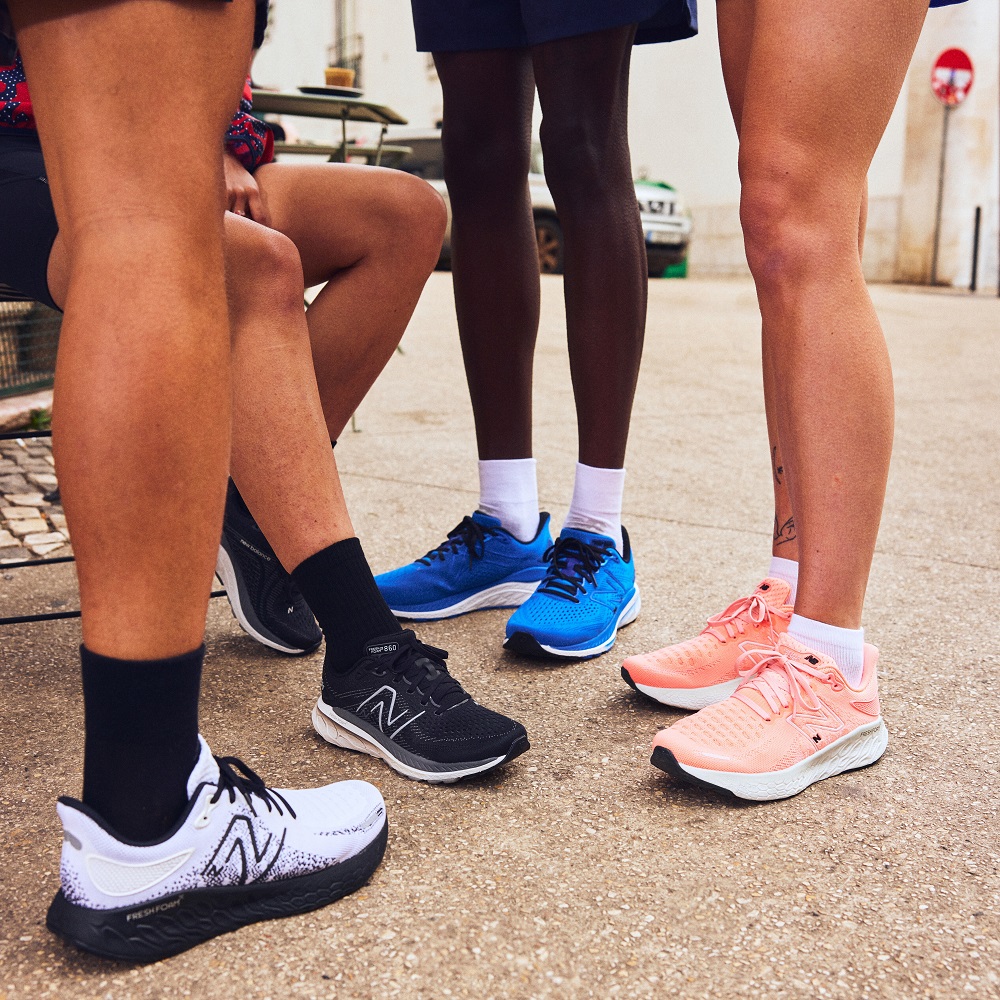
New Balance offers a variety of models featuring structured arch support. Their Fresh Foam midsoles provide a perfect balance of cushioning and stability. New Balance shoes are a great option for runners with flat feet or high arches.
4. Saucony
Saucony incorporates technologies like PWRRUN cushioning and medial posts in their running shoes. These features provide excellent support for the arches and reduce pronation issues. Their shoes are lightweight yet supportive, ideal for long-distance running.
5. Nike
Nike combines innovative designs with top-notch arch support features. Their React foam technology ensures reliable cushioning for a smoother ride. Nike shoes are suitable for runners with neutral arches or high arches.
6. Hoka One One
Hoka One One is popular among runners for its maximal cushioning and arch support. Their Meta-Rocker design ensures a smooth transition and reduces foot fatigue. Hoka shoes are excellent for running on various terrains with proper support.
7. Mizuno
Mizuno’s Wave technology provides exceptional arch support and shock absorption. Their running shoes offer a blend of comfort, flexibility, and stability. Mizuno caters to all arch types, ensuring a secure running experience.
8. Adidas
Adidas integrates Boost cushioning and Primeknit uppers for support and comfort. Their running shoes adapt well to different arch types. Adidas models are stylish, durable, and offer excellent performance for runners.
Each of these brands offers models tailored for specific arch types and running needs. Choosing the best running shoes for arch support from these brands helps ensure a comfortable and injury-free running experience.
Tips for Choosing the Right Size and Fit
Proper size and fit are crucial for running comfort and performance. Ill-fitting shoes can lead to discomfort or injuries. Follow these tips for selecting the right size:
Measure Your Feet Correctly
- Measure your feet at the end of the day when they’re fullest.
- Use a foot measuring tool or ruler for accurate length and width.
- Check both feet, as sizes may vary.
Consider Toe Space
- Choose shoes with some space at the toe box. A thumb’s width is ideal.
- Avoid tight shoes to prevent blisters or toe injuries.
Test the Fit
- Walk and jog to ensure the shoes feel comfortable.
- Check for tight spots or slipping heels.
Account for Socks
- Wear the socks you’ll use for running when trying the shoes.
- Thick socks may require slightly larger sizes.
Know Your Arch Type
- Match the shoe design to your arch type for better support.
- Choose shoes that align well with your natural foot shape.
Try Different Brands and Models
- Shoe sizes vary between brands and styles.
- Test several options to find the best fit.
Pay Attention to Width
- Ensure the shoe width matches your foot. Narrow or wide options are available.
Choosing the right running shoe size and fit ensures comfort and reduces injury risk during runs.
How to Test Arch Support in Running Shoes
Testing the arch support in running shoes is essential for comfort and injury prevention. Here are simple steps to ensure you’re selecting shoes with proper arch support:
Inspect the Shoes
- Examine the insole for built-in arch support.
- Check for curvature matching your arch type.
- Look for padding in the arch area.
Perform the Flex Test
- Bend the shoe gently from ball to heel.
- Ensure it flexes at the ball of the foot, not the arch.
- Shoes that flex incorrectly may lack proper support.
Try Them On
- Wear the shoes and walk or jog to feel the arch support.
- Check for even pressure distribution under your arches.
- Avoid shoes causing discomfort or pressure points.
Conduct the Jump Test
- Jump a few times while wearing the shoes.
- Notice how your arches feel during impact.
- Proper support should minimize discomfort and absorb shock.
Compare with Arch Type Needs
- High arches need cushioning that contours to your arch.
- Flat feet require structured support to avoid overpronation.
- Neutral arches need balanced support for comfort.
Take Note of Your Comfort
- Check if the shoes feel supportive and aligned during movements.
- Discomfort may indicate insufficient arch support.
Invest time testing arch support in running shoes. Proper testing ensures a secure, comfortable fit for better runs.
Maintenance Tips for Running Shoes with Arch Support
Proper maintenance of your running shoes with arch support can extend their lifespan and preserve their performance. Follow these tips to keep your shoes in top condition:
1. Clean Your Shoes Regularly
- Use a soft brush to remove dirt and debris.
- Wash your shoes with mild soap and water by hand.
- Avoid putting your shoes in the washing machine to prevent damage.
- Allow your shoes to air dry naturally, away from direct sunlight or heat sources.
2. Rotate Between Pairs
- Alternate between two pairs of running shoes.
- Rotation allows enough time for shoes to breathe and restore between runs.
- Rotating shoes also reduces wear and tear on a single pair.
3. Check for Wear and Tear
- Inspect the soles, insoles, and upper material regularly.
- Replace worn-out insoles with new arch support insoles.
- If the outsole shows significant wear, consider replacing the shoes.
4. Store Properly
- Keep shoes in a cool, dry place to prevent damage.
- Use a shoe rack or open space for storage to maintain shape.
- Avoid leaving shoes in damp or hot environments, such as car trunks.
5. Keep Insoles Fresh
- Remove insoles after each run to air them out.
- Use anti-odor sprays or baking soda to reduce smells.
- Wash removable insoles occasionally with mild soap and air dry.
6. Avoid Overloading Shoes
- Remove heavy items, like water bottles, from inside the shoes.
- Don’t use them for activities not meant for running.
7. Replace When Necessary
- Running shoes should typically be replaced every 300–500 miles.
- Pay attention to reduced cushioning or discomfort, as this indicates the need for replacement.
By following these maintenance tips, your best running shoes for arch support can last longer. Proper care protects the shoes from damage and ensures consistent performance during every run.