Best Running Shoes for Narrow Feet: Discover Your Ideal Fit
Contents
hide
Characteristics of Narrow Feet
Understanding narrow feet is vital for selecting the best running shoes for narrow feet. Narrow feet differ in structure and pose unique challenges when choosing footwear. They require shoes designed to provide snug and supportive fits.
How to Recognize Narrow Feet
Recognizing narrow feet is essential for selecting proper footwear. Narrow feet are typically slim and have less width than average. Here are some signs you might have narrow feet:
- Loose Fit in Regular Shoes: Feet slide inside standard-width shoes.
- Feet Look Slim: Visible narrow foot shape when compared to others.
- Heel Slippage: Heels easily slide out of many shoe types.
- Difficulty Finding Comfortable Shoes: Regular shoes often feel wide or roomy.
You can confirm this by measuring your foot width using a foot measurement tool. Compare your measurement with standard width charts to see if your feet fall into the narrow category.
Common Challenges for Runners with Narrow Feet
Runners with narrow feet often face a unique set of challenges:
- Lack of Snug Fit: Regular-width shoes feel loose and uncomfortable.
- Limited Options: Fewer running shoes cater to narrow feet needs.
- Heel Slippage: Poorly fitted shoes lead to heel movement and blistering.
- Reduced Performance: Ill-fitting shoes affect stride efficiency and balance.
- Injury Risk: Loose shoes may cause instability and increase injury risk.
To overcome these challenges, it’s important to choose running shoes specifically designed for narrow feet. Proper fit and specialized features can significantly improve comfort and performance.
Factors to Consider When Choosing Running Shoes for Narrow Feet
Choosing the best running shoes for narrow feet requires careful consideration. Narrow feet need specific features to ensure comfort and performance. Below are the most important factors to keep in mind:
Importance of Proper Fit
A proper fit is essential for narrow feet. Without it, running can become uncomfortable and lead to injuries. Here’s what to consider:
- Snug Feel: Look for shoes that hug your feet securely without being too tight.
- Heel Lock: Ensure the heel stays firmly in place to prevent slippage.
- Arch Support: Narrow feet often benefit from additional arch support to enhance stability.
- Width Options: Check for brands offering narrow-width sizes or adjustable lacing systems.
Test the shoes before buying by walking or jogging in them. Your toes should not feel cramped, and there should be no unnecessary space around your foot.
Material and Design Features to Look for
The material and design of running shoes play a significant role for runners with narrow feet. Consider the following:
- Flexible and Durable Uppers: Lightweight materials like mesh offer a snug, adaptive fit.
- Cushioned Midsoles: Look for midsoles providing a balance between comfort and support.
- Narrow or Contoured Toe Box: This prevents excessive movement and offers a better fit.
- Lacing Systems: Adjustable or unique lacing designs can help secure the foot.
- Reinforced Heel Cup: Adds support and keeps the foot steady during running.
Additionally, choose shoes designed for your running terrain, whether road, trail, or treadmill. In selecting the right materials and designs, you’ll minimize discomfort and enhance running efficiency.
Top Running Shoe Brands for Narrow Feet
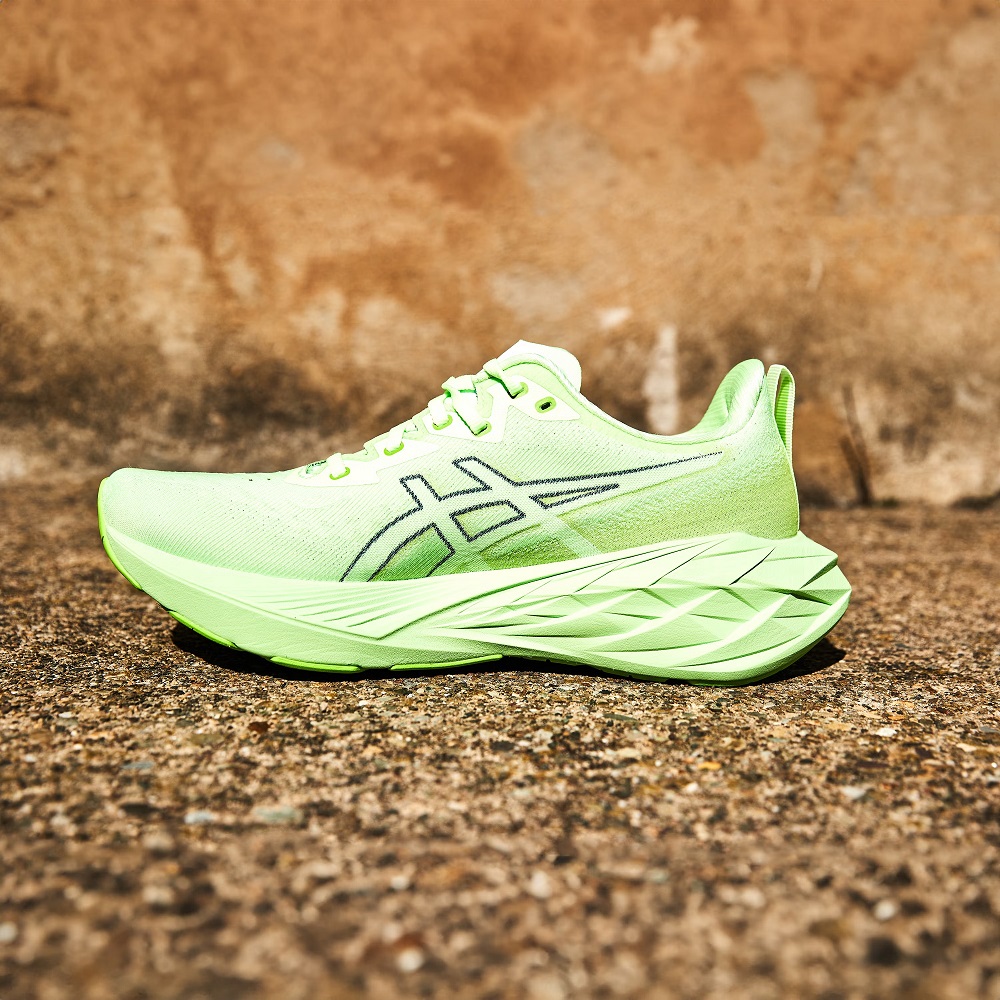
Choosing the right brand ensures a better fit for narrow feet. Certain brands excel at crafting running shoes specifically for narrow-footed runners. These brands focus on performance, comfort, and tailored sizing.
Brand Recommendations for Performance and Comfort
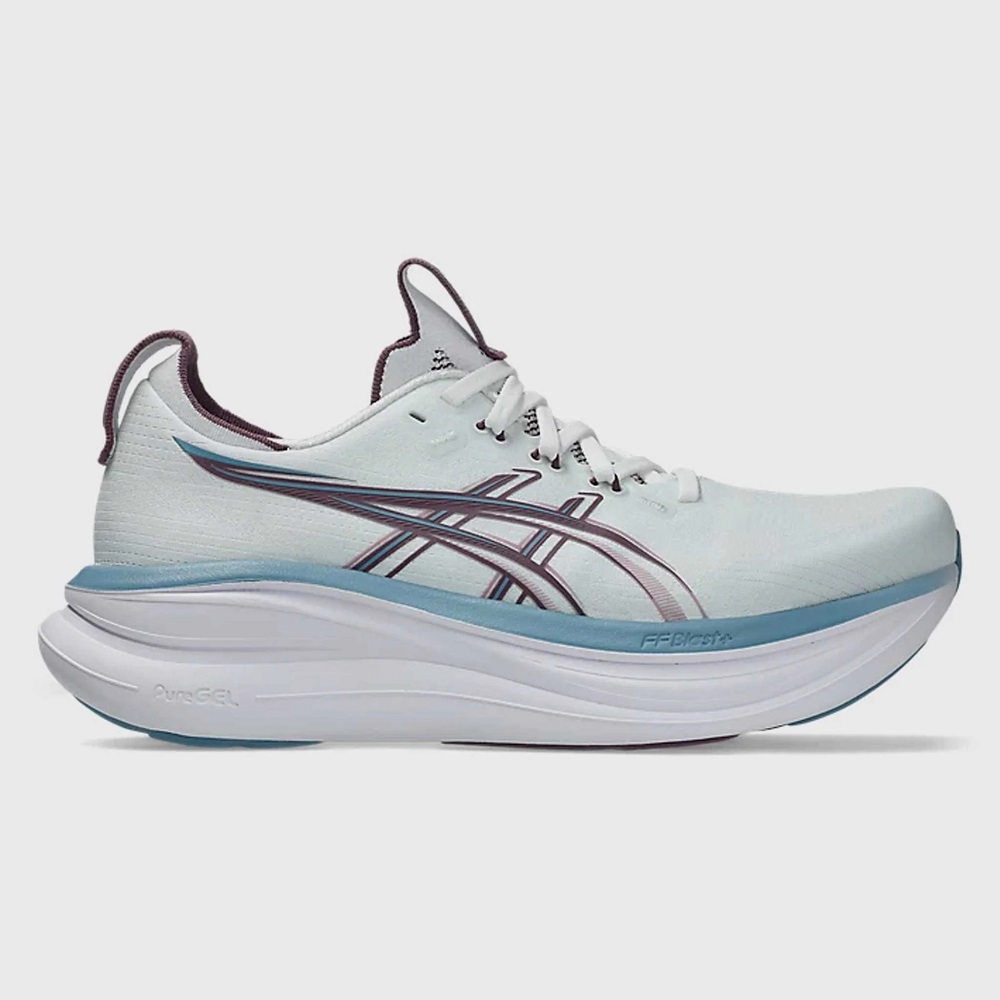
- Asics: Known for excellent arch support and snug fits. Their Gel series offers tailored sizing and cushioning.
- Brooks: Offers narrow-width options in popular models like Ghost and Adrenaline. Great for stability and comfort.
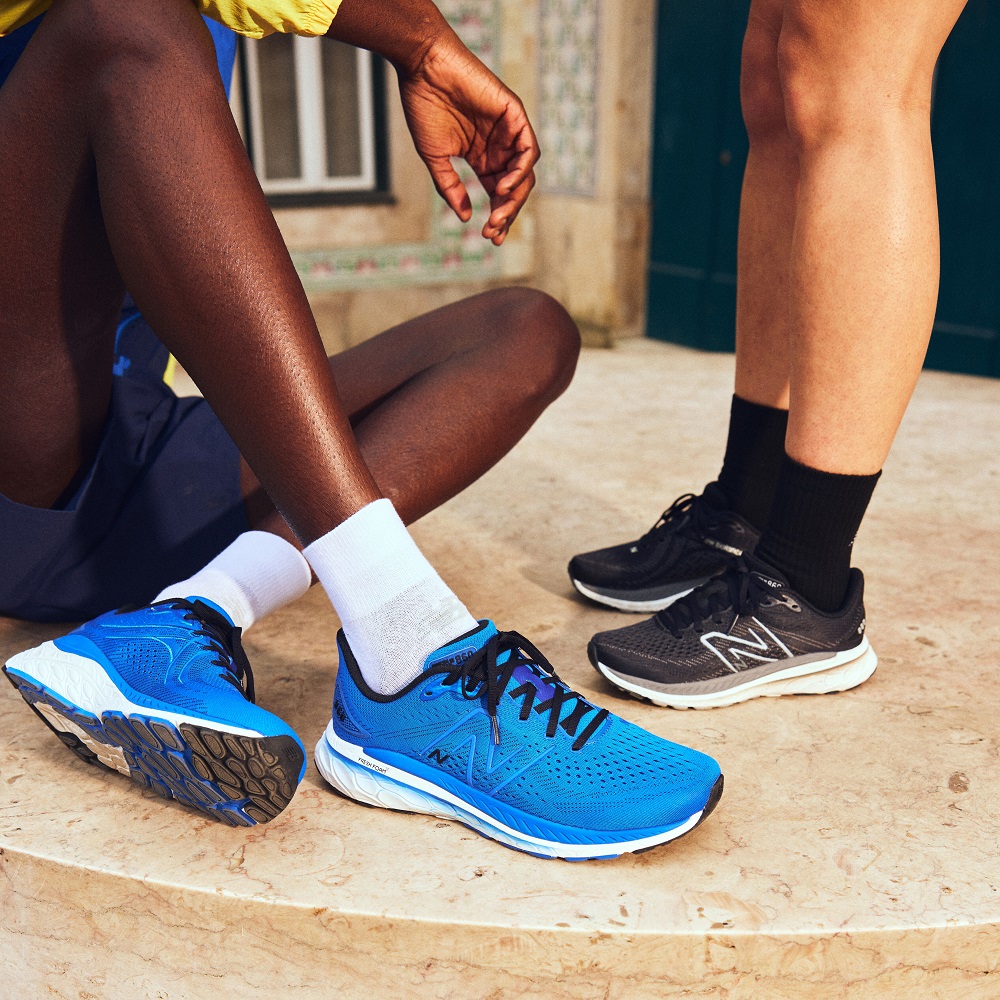
- New Balance: Known for various width options, including narrow sizes. Veg enjoyed for long-distance comfort.
- Nike: Often designed with slimmer fits. Pegasus and Zoom series are favorites among narrow-footed runners.
- Saucony: Provides narrow-width running shoes that adapt to foot shape. Ideal for runners seeking lightweight designs.
Each brand mentioned above provides reliable performance and comfort for narrow feet. Trying on different models can help you find your perfect fit.
Specialized Models for Narrow Feet
Certain models are specifically tailored to cater to narrow-footed runners’ unique needs:
- New Balance 890v8: Offers snug fits, lightweight designs, and responsive cushioning.
- Asics Gel-Cumulus 25: Features arch support and a narrow heel to prevent slippage.
- Brooks Launch GTS 10: Combines stability and agility, ideal for long runs.
- Nike Air Zoom Pegasus 39: Slimmer construction and zoom cushioning serve narrow feet well.
- Saucony Kinvara 13: Features minimal weight and contoured fits for enhanced stride.
By exploring the listed brands and models, you can find the best running shoes for narrow feet. Always prioritize trying shoes to ensure proper fit and comfort before purchasing.
Best Running Shoes for Different Types of Narrow Feet
Choosing running shoes for narrow feet depends on specific needs and preferences. Narrow footed runners often require tailored designs to maximize comfort and performance. This section highlights various types of running shoes suited for narrow feet, including options for cushioning, stability, and lightweight performance.
Cushioned Running Shoes for Narrow Feet
Cushioned running shoes are ideal for runners seeking comfort for their narrow feet. They absorb impact effectively, reducing stress on joints.
- Features to prioritize:
- Soft midsoles for enhanced shock absorption.
- Contoured insoles to fit slim feet comfortably.
- Reinforced heels to prevent slippage.
- Recommended models:
- Asics Gel-Kayano: Provides plush cushioning and a secure fit.
- Brooks Glycerin: Offers softness and tailored width options.
- New Balance Fresh Foam: Lightweight cushioning ideal for long runs.
Stability Running Shoes for Narrow Feet
Stability running shoes support narrow feet by improving motion control and reducing pronation risks. Perfect for runners needing extra stability in their stride.
- Features to prioritize:
- Firm midsoles to control foot movement.
- Structured uppers to enhance foot security.
- Durable outsoles for added grip and balance.
- Recommended models:
- Brooks Adrenaline GTS: Combines comfort and support. Available in narrow-width options.
- Saucony Guide: Lightweight yet stable design for smooth runs.
- Asics GT-2000: Ideal for mild overpronation and narrow feet.
Lightweight Running Shoes for Narrow Feet
Lightweight shoes focus on speed and flexibility without compromising fit. They’re great for quick performances and experienced runners.
- Features to prioritize:
- Slim constructions that fit snugly around narrow feet.
- Mesh uppers for breathability and adaptive fit.
- Responsive midsoles for energy return.
- Recommended models:
- Nike Air Zoom Pegasus: Slim and light design for speed improvement.
- Saucony Kinvara: Lightweight with contoured fit for optimal stride.
- New Balance 890: Ultra-light and responsive cushioning for dynamic runs.
Select shoes based on your activity type, comfort preferences, and support needs. Trying on different designs and testing them can ensure your perfect fit for an enjoyable running experience.
Tips for Ensuring the Right Fit
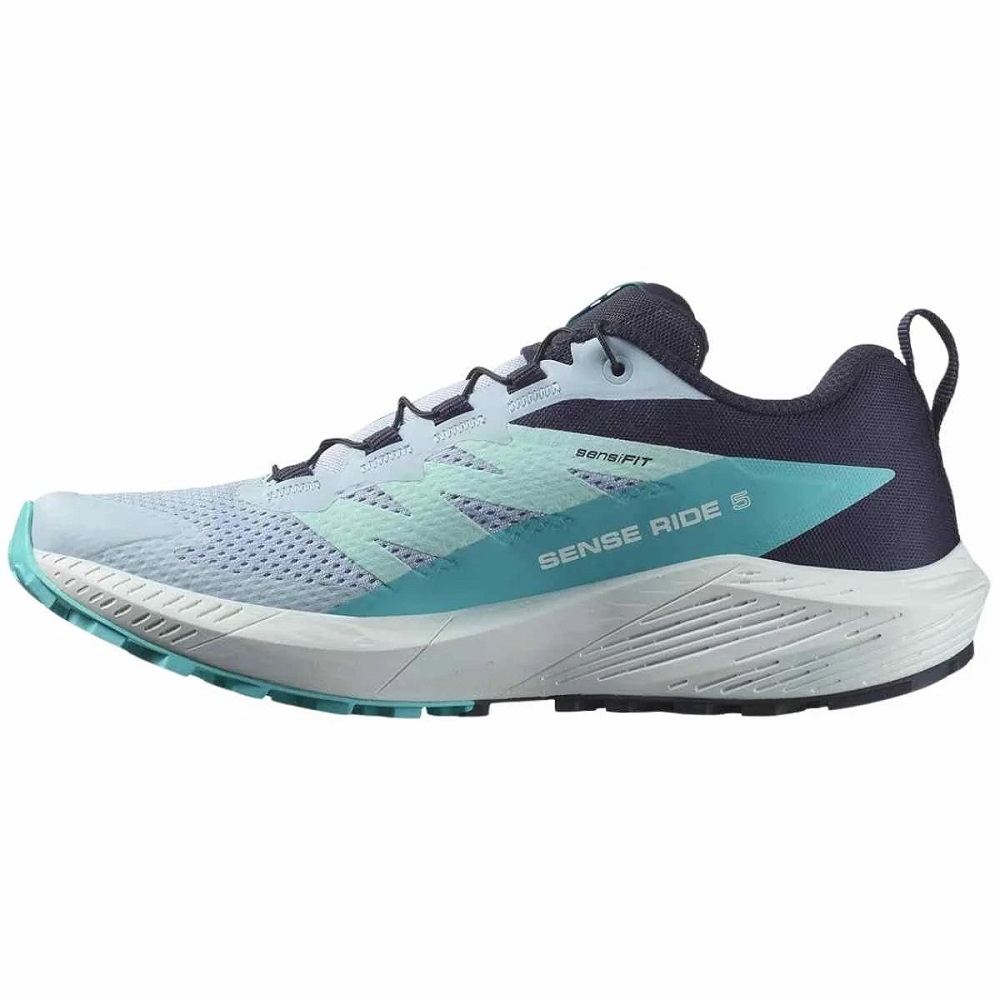
Selecting the best running shoes for narrow feet requires attention to achieving the right fit. These tips will help you find comfortable and supportive shoes for an enjoyable running experience.
How to Measure Your Foot Correctly
Measuring your feet accurately is crucial for choosing the best running shoes for narrow feet. Follow these steps to ensure precise results:
- Use a ruler or foot measurement tool: Place your foot on a flat surface with your heel against the wall. Use a ruler or measurement device to note the length and width of your foot.
- Trace your foot shape: On a piece of paper, outline your foot while standing. Focus on the width measurement, especially near the ball of your foot.
- Compare measurements to a shoe size chart: Use sizing charts provided by running shoe brands. Check for narrow-width options that match your measurements.
- Measure both feet: It’s common for one foot to be slightly larger than the other. Use the larger foot as a guide.
- Consider insoles or custom orthotics: Examine if your low arches or specific foot shape need additional support.
Measuring your feet correctly ensures comfort and prevents issues such as pain or instability. Always measure your feet at the end of the day when they’re most swollen.
Break-In Tips for Narrow Running Shoes
Even well-fitted running shoes for narrow feet need time to break in. Proper break-in helps shoes mold to your foot shape, ensuring both comfort and performance. Follow these tips:
- Wear your shoes indoors first: Take short walks around your house to check the fit and identify potential discomfort.
- Gradually increase wear time: Start with short runs and gradually use them for longer distances. This avoids stress on your feet.
- Wear moisture-wicking socks: Choose socks that reduce friction. This helps prevent blisters during the break-in process.
- Adjust lacing for better fit: Experiment with different lacing techniques to add snugness without tightness in specific areas.
- Monitor hot spots or rubbing: Pay attention to areas of discomfort. Consider padded insoles for extra comfort if needed.
- Stay consistent: Wear your running shoes frequently to allow them to conform to your foot shape.
Breaking in narrow running shoes correctly ensures optimal comfort and performance during your runs. If pain persists, consider trying another model or brand.
Frequently Asked Questions About Running Shoes for Narrow Feet
How Can I Tell if Running Shoes are Too Wide?
Wearing shoes that are too wide can cause discomfort or hinder performance. Here are signs to check:
- Excess Movement Inside the Shoe: If your feet slide or move during use, the shoes may be too wide.
- Gapping Between Shoe and Foot: Check for visible gaps between your foot and the shoe’s interior.
- Heel Slippage: Your heel should not lift out of the shoe while walking or running.
- Too Much Room in the Toe Box: You shouldn’t feel excessive space around your toes. The fit should be snug.
- Lack of Support: If your feet feel unstable or unsupported, consider narrower or better-fitting options.
Testing shoes in-store can help. Walk or jog to ensure a comfortable and secure fit. Choose shoes that match the structure and contours of your narrow feet.
Are Custom Orthotics Necessary for Narrow Feet?
Custom orthotics can be helpful for some, but not always essential. Consider the following:
- Foot Structure and Comfort: If you experience chronic pain or discomfort, custom orthotics might help.
- Arch Support Needs: Narrow feet often have specific arch support requirements. Orthotics may address this effectively.
- Running Style: Overpronation or underpronation might benefit from custom insoles.
- Standard Shoe Fit: Some runners find standard narrow-fit running shoes sufficient without orthotics.
Consult a podiatrist if you’re unsure about orthotics. They can assess your foot type and recommend the best solution. Test both standard running shoes and orthotics to find what works best for you.
Maintaining and Replacing Your Running Shoes
Proper maintenance and timely replacement of running shoes are essential for optimal performance. Ensuring your running shoes are in the best condition contributes to comfort and reduces injury risks. Here’s how to recognize when it’s time for new shoes and how to care for them effectively.
Signs Your Running Shoes Need Replacement
It’s crucial to know when your running shoes have reached the end of their life. Worn-out shoes can lead to discomfort and injuries. Look for these signs:
- Visible Wear on the Outsole: Check for thinning or smooth spots on the soles. This indicates reduced traction.
- Compressed Midsoles: If the cushioning feels flat or provides less comfort, replacement is necessary.
- Loss of Shape: Noticeable creasing or distortion in the shoe’s structure means reduced support.
- Increased Foot or Joint Pain: New or worsening discomfort during or after runs may signal ineffective cushioning.
- Excessive Mileage: Replace your shoes after 300–500 miles, depending on usage and terrain.
Regularly inspect your shoes to address problems before they affect your performance. Replace them promptly for continued comfort and stability.
Cleaning and Caring for Your Running Shoes
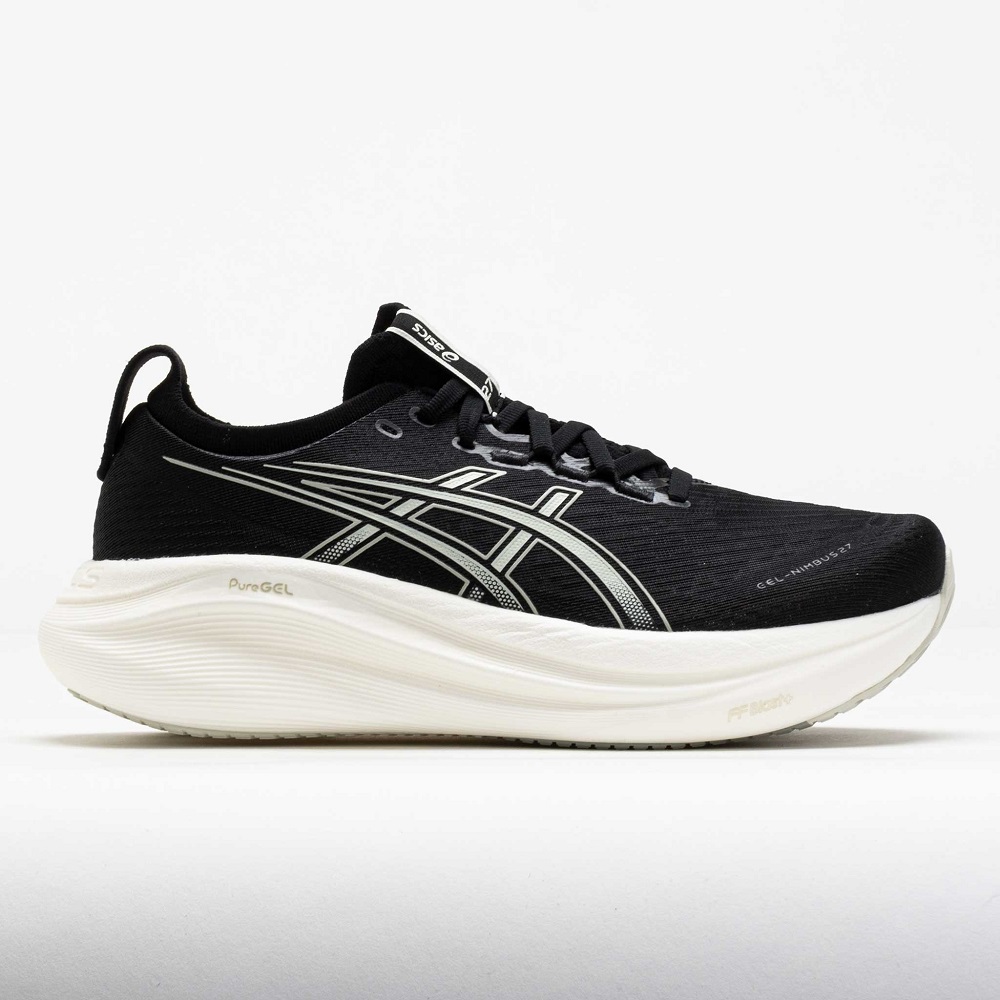
Proper cleaning and maintenance can extend the life of your running shoes. Follow these tips:
- Clean Them After Each Run: Remove dirt and debris with a soft brush or cloth after outdoor runs.
- Air Dry Shoes Naturally: Avoid direct heat exposure. Use newspapers to absorb moisture if they’re wet.
- Wash Insoles Separately: Hand wash insoles with mild soap and water. Let them dry completely before use.
- Avoid Machine Washing: Machine washing can damage the shoe’s materials and reduce longevity.
- Store in a Cool, Dry Place: Keep shoes away from sunlight or moisture to prevent material deterioration.
- Alternate Between Pairs: Owning two pairs can reduce wear and allow proper drying between runs.
Proper care ensures your running shoes stay in optimal condition for longer. Clean them consistently to maintain their performance and appearance.
By maintaining and replacing your running shoes timely, you can enjoy safe and comfortable runs. Care for your shoes and monitor their condition to ensure they always perform at their best.