Stability Running Shoes Womens: How to Choose the Perfect Pair
Contents
hide
What Are Stability Running Shoes?
Stability running shoes womens are designed to provide extra support for your feet. These shoes help prevent overpronation, which occurs when the foot rolls inward too much while running. Overpronation can lead to pain and injuries over time.
Stability running shoes womens come with specialized features. They often include a firmer midsole to provide arch support. This reduces excessive movement and helps maintain a more natural stride. The added support ensures proper foot alignment, which can improve running efficiency and comfort.
These shoes also include durable outsoles for better traction and enhanced cushioning. This cushioning absorbs impact and protects your feet during runs. With a combination of stability and comfort, these shoes are ideal for runners who need extra support.
If you experience knee pain or flat feet, stability running shoes for women might be the right choice. These shoes are suitable for moderate pronators looking for a balance between comfort and control.
In summary, stability running shoes are built to offer support, prevent injuries, and improve comfort. Whether you’re a beginner or an experienced runner, they can be an excellent option for enhancing your running experience. Choosing the right pair with the appropriate features is important for achieving the best results.
Benefits of Stability Running Shoes for Women
Stability running shoes offer several advantages for women who need extra foot support. They are designed to help prevent injuries, improve comfort, and enhance running performance.
Prevent Overpronation
Stability running shoes reduce the risk of overpronation by supporting your arches. Overpronation occurs when your feet roll inward excessively. This issue can cause pain and injuries, especially during running. Stability shoes ensure proper alignment and reduce strain on your lower legs.
Increase Comfort
These shoes include cushioning to absorb impact and minimize stress on your feet. Enhanced comfort allows you to run for longer periods without pain or discomfort. The combination of support and comfort promotes a smooth and enjoyable running experience.
Improve Running Efficiency
By maintaining a natural stride, stability running shoes make your movements more efficient. They reduce unnecessary foot movement, helping you conserve energy during runs. A stable and consistent stride leads to better performance and reduced fatigue.
Support for Flat Feet or Knee Pain
Women with flat feet or knee pain can benefit significantly from stability shoes. The arch support helps distribute weight evenly across the feet. This can alleviate pain and provide the extra support needed for comfortable running.
Suitable for Moderate Pronation
Stability running shoes are ideal for moderate pronators who need both comfort and control. They provide a balanced design that prevents excessive inward rolling while ensuring a cushioned and stable run.
Versatility for Runners
These shoes are suitable for various running styles, from casual jogs to intense training. Their durability and advanced features make them a versatile choice for women seeking support during exercise.
Stability running shoes for women are designed with support and comfort in mind. By addressing overpronation and boosting your running performance, they contribute to a healthy and enjoyable running practice.
Top Features to Look for in Stability Running Shoes
Stability running shoes are crafted to provide support and enhance your running experience. Identifying the right features is crucial for selecting shoes that meet your needs. Below are the top features to look for in stability running shoes:
Arch Support
Stability running shoes provide firm arch support to prevent excessive inward foot rolling. This feature helps maintain proper alignment and reduces strain during runs. It is particularly helpful for runners with flat feet or moderate pronation.
Midsole Cushioning
High-quality midsole cushioning absorbs impact and protects your feet on different surfaces. This ensures maximum comfort, letting you focus on running while minimizing stress on your joints.
Durable Outsole
Look for durable outsoles that offer excellent traction and stability on various terrains. A sturdy outsole enhances grip and supports balance during runs, improving safety.
Heel Counter
A strong heel counter ensures the back of your foot stays stable. This reduces unnecessary movement and adds extra support for better control.
Toe Box Space
Sufficient space in the toe box allows free movement of your toes while running. It prevents discomfort, reduces chances of blisters, and ensures a snug yet comfortable fit.
Lightweight Design
Stability running shoes with a lightweight design reduce strain and help conserve energy. This feature is essential for longer runs, where weight affects endurance.
Breathable Materials
Choose shoes with breathable materials to keep your feet cool and dry. Proper ventilation reduces sweat and prevents odor during running sessions.
Shock Absorption Technology
Look for shoes with shock absorption features that protect your feet from impact. Advanced cushioning prevents injuries and enhances comfort, especially on hard surfaces.
Flexibility
While providing stability, these shoes should also offer optimal flexibility for natural movement. Flexibility complements arch support, leading to a smoother stride.
Fit and Comfort
A proper fit is essential for preventing discomfort and ensuring maximum support. Stability shoes should feel snug without being too tight, promoting ease of movement.
Versatility
Choose stability shoes compatible with various running styles and conditions. Versatility ensures you can rely on them for both casual and intense runs.
By focusing on these top features, you can find the best stability running shoes tailored to your needs. These qualities ensure a safe, comfortable, and efficient running experience for women.
Best Stability Running Shoes for Different Running Styles
Selecting the right stability running shoes depends on your running style. Each type of running calls for specific shoe features to provide support, comfort, and performance. Below are some recommendations based on various running styles:
Casual Running
For casual joggers, comfort and basic support are key. Look for lightweight stability running shoes for women with good arch support and cushioning. Flexible soles and breathable materials enhance the overall experience, ensuring your feet stay comfortable during shorter, relaxed runs.
Long-Distance Running
Long-distance runners need stability shoes that offer enhanced cushioning and durability. Search for shoes with excellent shock absorption to protect your feet and joints from long-term impact. A snug yet breathable fit is crucial to avoid blisters or discomfort during extended runs.
Trail Running
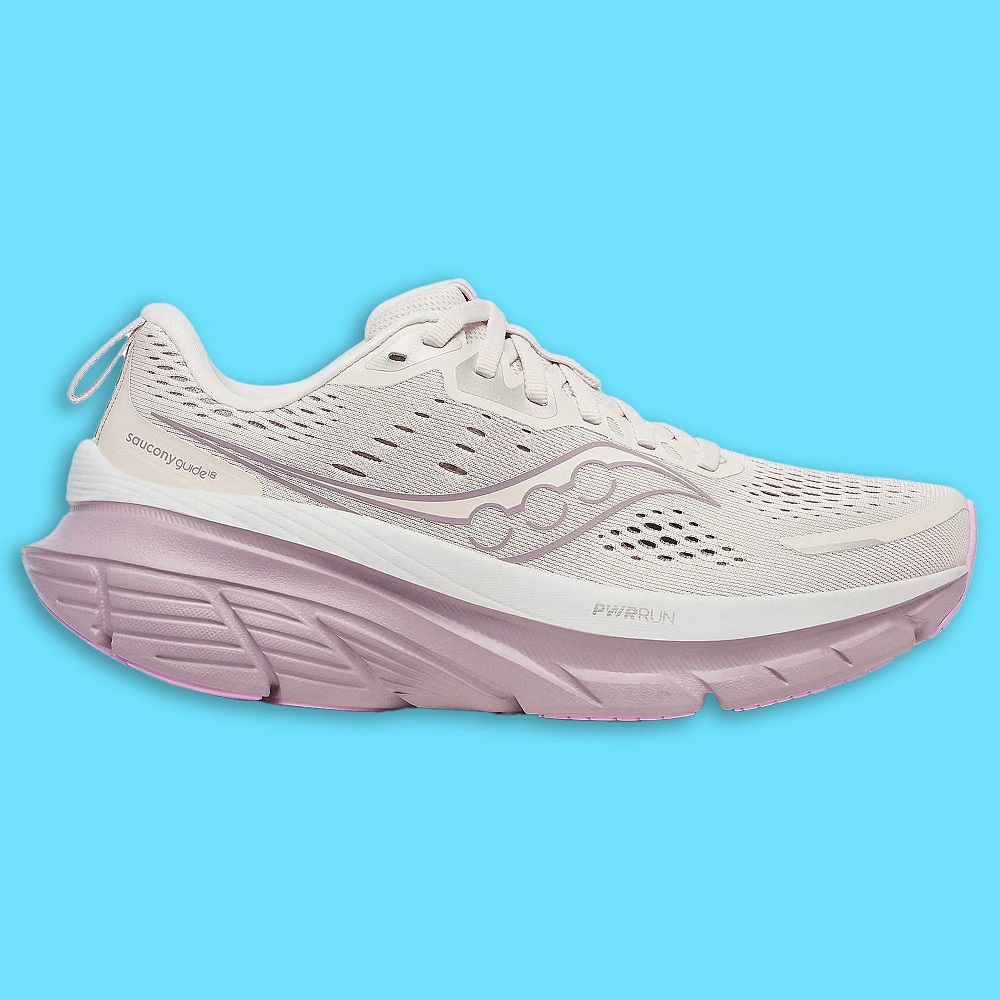
For trail running, shoes should provide traction and stability on uneven terrains. Opt for stability running shoes with rugged, durable outsoles and reinforced uppers. These features improve grip on rough paths and protect your feet from rocks and debris, making them perfect for outdoor adventures.
Speed Running
Speed runners should prioritize lightweight and highly responsive shoes. Stability running shoes with minimal bulk and dynamic midsole technology offer better energy return. These features enhance speed while maintaining the support required for runners who overpronate.
Treadmill Running
Treadmill runners need stable shoes with cushioning suited for even surfaces. Breathable materials are important to prevent your feet from overheating. A good arch support system is also crucial to reduce strain during repetitive indoor runs.
Cross-Training
For cross-training or mixed workouts, versatile stability running shoes are ideal. Seek out shoes with a balance of support, flexibility, and durability. Firm heel counters and flexible soles allow for smooth transitions between running and other exercises.
Choosing the best stability running shoes for your specific running style ensures better performance and comfort. Keep your individual needs in mind as you explore options uniquely designed for women’s feet. Running becomes more enjoyable with the right pair of stability shoes.
How to Determine If You Need Stability Shoes
Stability running shoes are designed for women who need extra support while running. Determining if you need stability shoes starts with understanding your foot type and running habits. Below are steps to help you decide:
Analyze Your Foot Type
- Check if you have flat feet or high arches.
- Flat feet often require added arch support found in stability shoes.
- High arches may need neutral or cushioned shoes, not stability shoes.
Evaluate Your Pronation
- Pronation is how your foot rolls inward when you step.
- Overpronation happens when feet roll inward too much. Stability shoes can correct this.
- Check your old shoes for wear patterns. Wear on the inside indicates overpronation.
Consider Foot Pain or Discomfort
- Do you experience knee pain or joint discomfort when running?
- Stability shoes can help with pain caused by improper foot alignment.
- Relief may occur with shoes offering firm support and cushioning.
Check Your Running Style
- Stability shoes are best for moderate pronators.
- If your stride feels uneven or misaligned, stability shoes can improve it.
- Fast runners or casual joggers with overpronation benefit from stability features.
Ask a Professional
- Visit a specialist for a gait analysis or a foot scan.
- Specialists can recommend if stability shoes suit your needs.
- Expert advice helps you avoid buying the wrong type of shoes.
Knowing your foot type, running style, and discomfort level can help you decide if stability shoes are necessary. They solve problems related to overpronation and support a comfortable, efficient running experience.
Comparison of Popular Stability Running Shoe Brands for Women
Choosing the right stability running shoes womens requires comparing popular brands. Each brand offers unique features tailored to specific needs. Here’s an overview of some reputable brands and their standout attributes:
ASICS
- Key Features: Spacious toe box, durable outsoles, and excellent arch support.
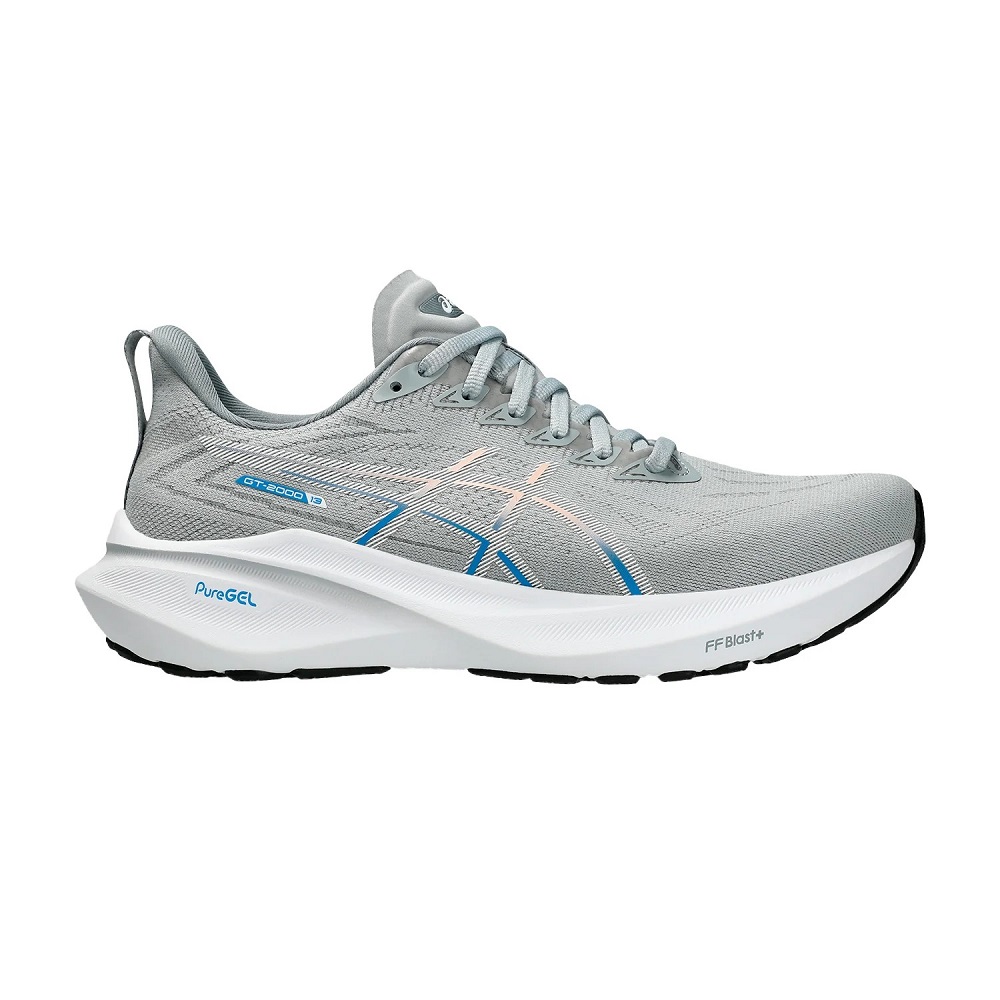
- Popular Models: Gel-Kayano 29, GT-2000, and Gel-DS Trainer.
- Best For: Runners with moderate overpronation who seek top-tier cushioning and support.
- Additional Notes: Known for their gel technology, these shoes offer softness and shock absorption.
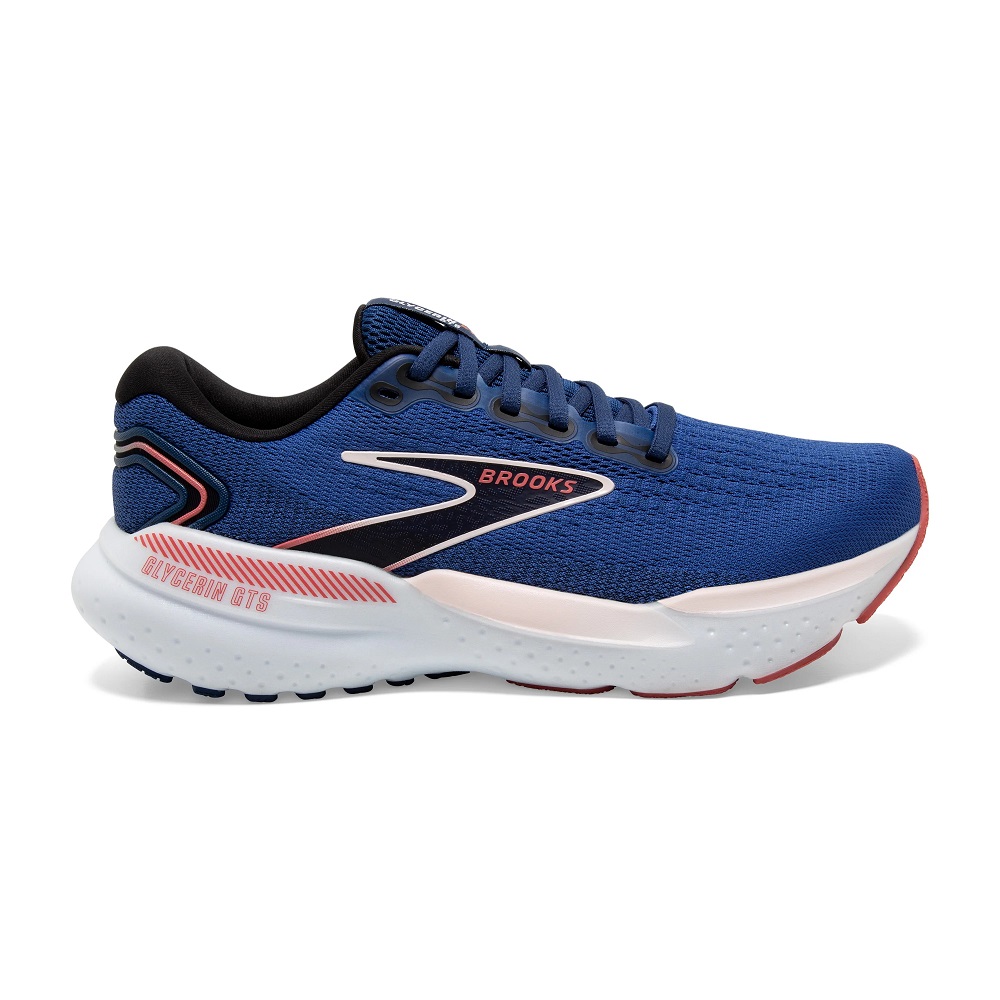
Brooks
- Key Features: GuideRails support technology, responsive cushioning, and breathable mesh.
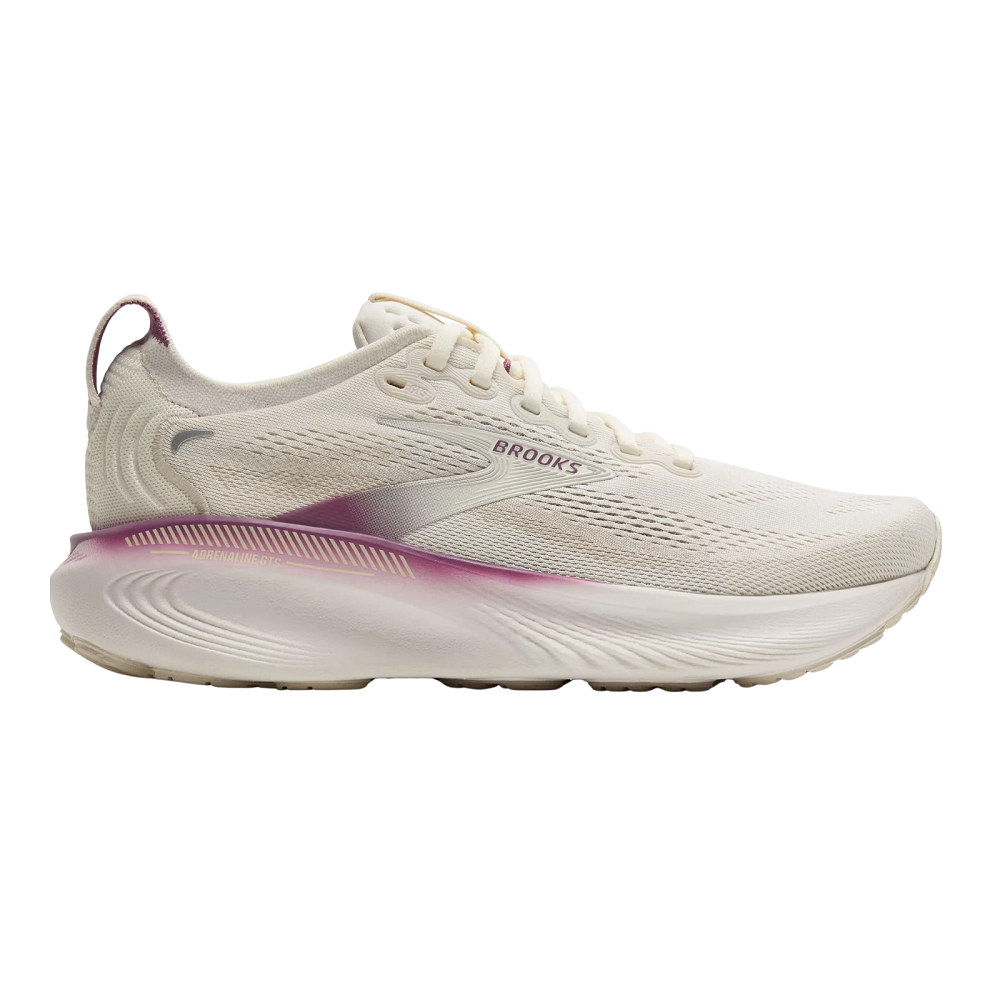
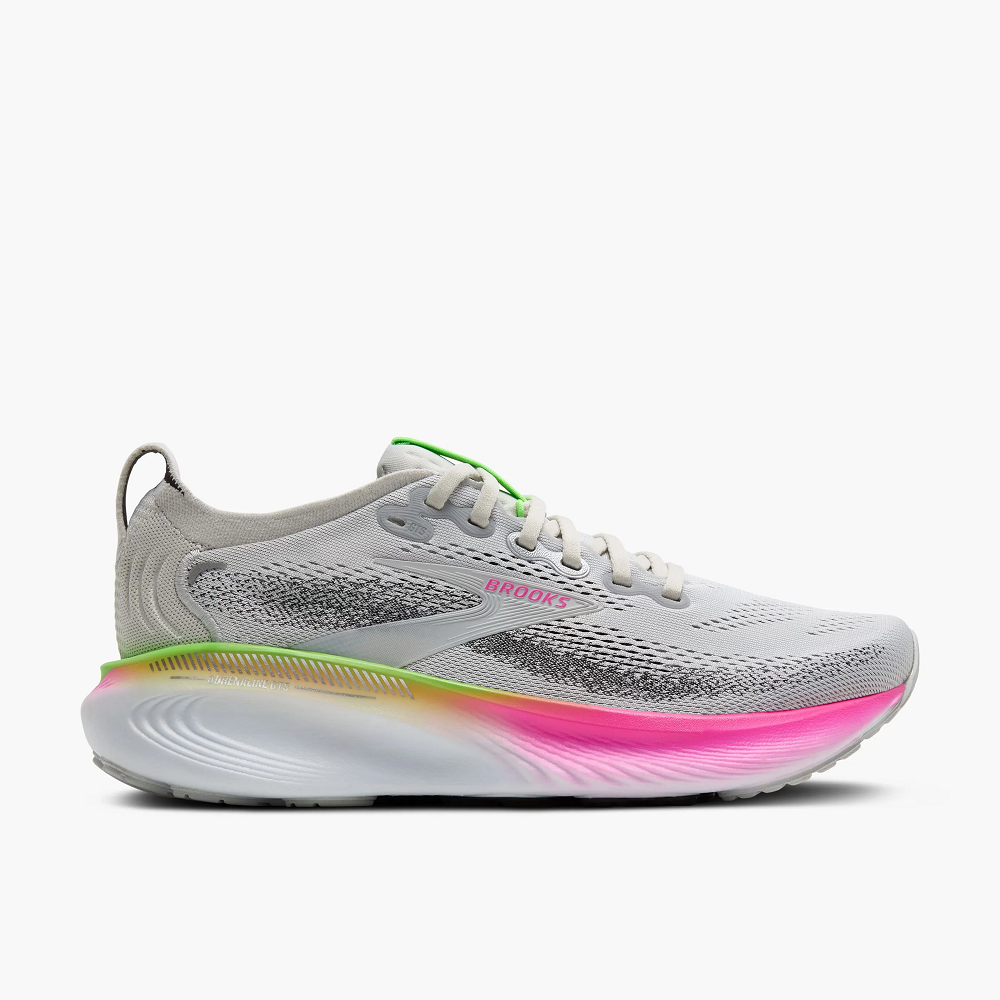
- Popular Models: Adrenaline GTS 23, Transcend 7, and Ravenna 11.
- Best For: Runners looking for a secure fit and improved natural foot movement.
- Additional Notes: The GuideRails? system helps maintain proper knee alignment for injury prevention.
New Balance
- Key Features: Wider sizes, Fresh Foam cushioning, and lightweight design.
- Popular Models: New Balance 860v13 and Fresh Foam Vongo v5.
- Best For: Women with wider feet who want both stability and plush comfort.
- Additional Notes: Designed for long-distance running and high-impact activities.
Saucony
- Key Features: PWRRUN foam cushioning, FormFit technology, and stable midsoles.
- Popular Models: Guide 16, Hurricane 23, and Omni ISO 3.
- Best For: Versatile runners who appreciate lightweight, cushioned shoes.
- Additional Notes: These shoes adapt to the natural shape of feet for improved comfort.
HOKA ONE ONE
- Key Features: Maximalist cushioning, meta-rocker design, and wide bases.
- Popular Models: Arahi 6 and Gaviota 4.
- Best For: Long-distance runners needing extra cushioning without compromising on stability.
- Additional Notes: Known for their thick soles and unique ergonomic designs.
Nike
- Key Features: React technology, Dynamic Support, and sleek, stylish designs.
- Popular Models: Nike Air Zoom Structure and React Infinity Run Flyknit.
- Best For: Fashion-conscious runners seeking performance-driven stability.
- Additional Notes: Ideal for treadmill and road running.
Mizuno
- Key Features: Mizuno Wave? technology, shock-absorbing midsoles, and lightweight materials.
- Popular Models: Wave Inspire 19 and Wave Horizon 6.
- Best For: Balanced support and dynamic stability during various running workouts.
- Additional Notes: Prioritizes smooth transitions and energy efficiency.
Comparing stability running shoes womens helps identify which brand suits your needs best. Consider the unique features, fit, and design of each option before making a decision. Whether you’re a casual jogger or a long-distance runner, there’s a perfect stability shoe for you.
Tips for Selecting the Right Fit and Size
Finding the perfect fit is crucial for comfort and performance when choosing stability running shoes womens. Here are some tips to help you select the right fit and size:
Measure Your Feet Correctly
- Measure your feet at the end of the day when they’re slightly swollen.
- Use a Brannock device or a ruler to determine the length and width of your feet.
- Measure both feet, as one foot may be larger than the other.
Allow Space for Toes
- Leave about a thumb’s width space between your longest toe and the shoe’s tip.
- Ensure your toes can move freely without being cramped.
- A roomy toe box is essential for reducing discomfort and preventing blisters.
Consider Your Arch Type
- Know your arch type: flat, normal, or high.
- Stability running shoes for women are ideal for flat or normal arches.
- Make sure the arch support in the shoe matches your requirements.
Check the Width
- Women’s feet often vary in width. Make sure the shoe is not too tight or loose.
- Wide sizes are available in many stability running shoes for wider feet.
Try Before You Buy
- Always try the shoes with socks similar to what you wear while running.
- Walk or jog in the store to test comfort and fit.
- Pay attention to any rubbing or tight spots.
Take Break-In Time into Account
- Allow time for your new shoes to break in before using them for long runs.
- Gradually increase the duration of wear to ease your feet into the fit.
Consider Running Conditions
- For trail running, choose a size slightly bigger to accommodate swelling on rough terrains.
- For long-distance running, prioritize a snug fit to avoid blisters and shifting.
Don’t Forget to Replace Old Shoes
- Replace shoes when cushioning wears out or support diminishes.
- Regular runners should consider replacing shoes every 300–500 miles.
By using these tips, you can find stability running shoes that fit perfectly. Properly fitted shoes prevent discomfort and improve your running experience. Always prioritize comfort and support when selecting your next pair of stability running shoes.
Caring for Your Stability Running Shoes
Taking proper care of stability running shoes womens ensures they last longer and remain effective. Here are some easy and helpful tips to keep them in good condition:
Clean Your Shoes Regularly
- Remove dirt and debris after every run.
- Use a soft brush or cloth for cleaning.
- For stains, use mild soap and water.
- Avoid using a washing machine or harsh chemicals.
Dry Shoes Properly
- Let wet shoes air dry at room temperature.
- Remove insoles and laces before drying.
- Avoid placing them in direct sunlight to prevent damage.
- Stuff shoes with paper to help absorb moisture.
Store in a Cool, Dry Place
- Store your shoes in a cool area away from direct sunlight.
- Avoid humid places which can cause moisture buildup and odors.
Avoid Using Shoes for Non-Running Purposes
- Use your stability running shoes only for running or exercise.
- Avoid walking or performing heavy-duty tasks in them.
Rotate Between Pairs of Shoes
- If possible, have a second pair of running shoes for rotation.
- Rotating allows shoes to recover and dry out, extending their life.
Monitor Wear and Tear
- Check the outer sole and midsole for signs of wear.
- Replace shoes if the cushioning is no longer effective or soles are worn.
Protect Shoes from Extreme Temperatures
- Avoid leaving your shoes in hot or freezing temperatures.
- Extreme weather can weaken materials and reduce durability.
Use Protective Sprays
- Apply weatherproof sprays to shield shoes from water and stains.
- Reapply as suggested by the product’s instructions.
Replace Insoles When Needed
- Replace insoles if they lose cushioning or wear out.
- Fresh insoles can improve support and comfort.
Taking care of stability running shoes womens extends their lifespan and maintains their support. These tips will help you save money and improve your overall running experience.