Best Shoes for Long Distance Running: Finding Your Perfect Pair
Contents
hide
Importance of Choosing the Right Shoes for Long Distance Running
Selecting the right running shoes is crucial for long distance runners. Your shoes can impact comfort, performance, and injury prevention. Long runs put extra strain on feet and legs, making proper footwear essential.
Preventing Injuries
The best shoes for long distance running help reduce the risk of injuries. They provide adequate support, shock absorption, and stability. Poorly chosen shoes can lead to blisters, plantar fasciitis, or shin splints. Proper cushioning minimizes impact on joints and muscles.

Enhancing Performance
Well-designed running shoes boost your performance during long runs. They allow smooth stride transitions and optimize energy return. Lightweight shoes can help you run efficiently, but they should still offer protection and stability.
Comfort for Extended Runs
Running long distances requires comfortable footwear. Choose shoes that fit well and prevent discomfort. Shoes with breathable material keep feet cool and dry, reducing irritation.
Personalized Choices Matter
Everyone’s feet are unique, so shoe choice should match your specific needs. Consider your arch type, foot shape, and running gait. Visit a store with specialized staff to find the ideal fit.
Selecting the best shoes for long distance running is a critical step. Proper footwear ensures safety, enhances performance, and adds comfort to your runs.
Key Features to Look for in Long-Distance Running Shoes
Choosing the right running shoes is vital for long-distance runners. Quality running shoes improve comfort and reduce injuries. Here are the key features to consider when selecting long-distance running shoes:
Cushioning for Impact Absorption
Cushioning helps protect your joints and muscles during long runs. Look for shoes with ample padding in the midsole area to reduce the impact on your feet and legs. Good cushioning minimizes fatigue and ensures smooth strides over extended distances.
Proper Arch Support
Arch support is essential to maintain foot stability and balance. Shoes designed for your specific arch type (flat, medium, or high) prevent discomfort and disorders like plantar fasciitis. Ensure your shoes align with your foot structure to avoid issues.
Comfortable Fit
A snug and proper fit prevents blisters and irritation during runs. Test the shoes to ensure they hold your heel securely without being too tight. Ensure there’s enough room in the toe box for natural movement.
Lightweight Design
Lightweight shoes boost efficiency and keep you agile over long distances. While focusing on lightness, don’t compromise on support and durability. Striking a balance is key for comfortable and effective runs.
Breathable Materials
Breathable shoes keep your feet cool and dry, even during intense runs. Mesh uppers or moisture-wicking materials are great options for temperature regulation. This feature is particularly important for hotter climates.
Durable Construction
Long-distance running demands durable shoes that withstand wear and tear. Pay attention to the quality of the outer sole and stitching. Durable shoes save money by reducing frequent replacements.
Stability and Traction
Good stability prevents overpronation or supination while running. Traction matters for different surfaces, whether roads, trails, or tracks. Choose shoes with reliable grip for safe and secure runs.
Investing in long-distance running shoes with these features ensures better performance, comfort, and injury prevention. Prioritize quality and fit to enjoy running safely and effectively.
Top Brands for Long-Distance Running Shoes
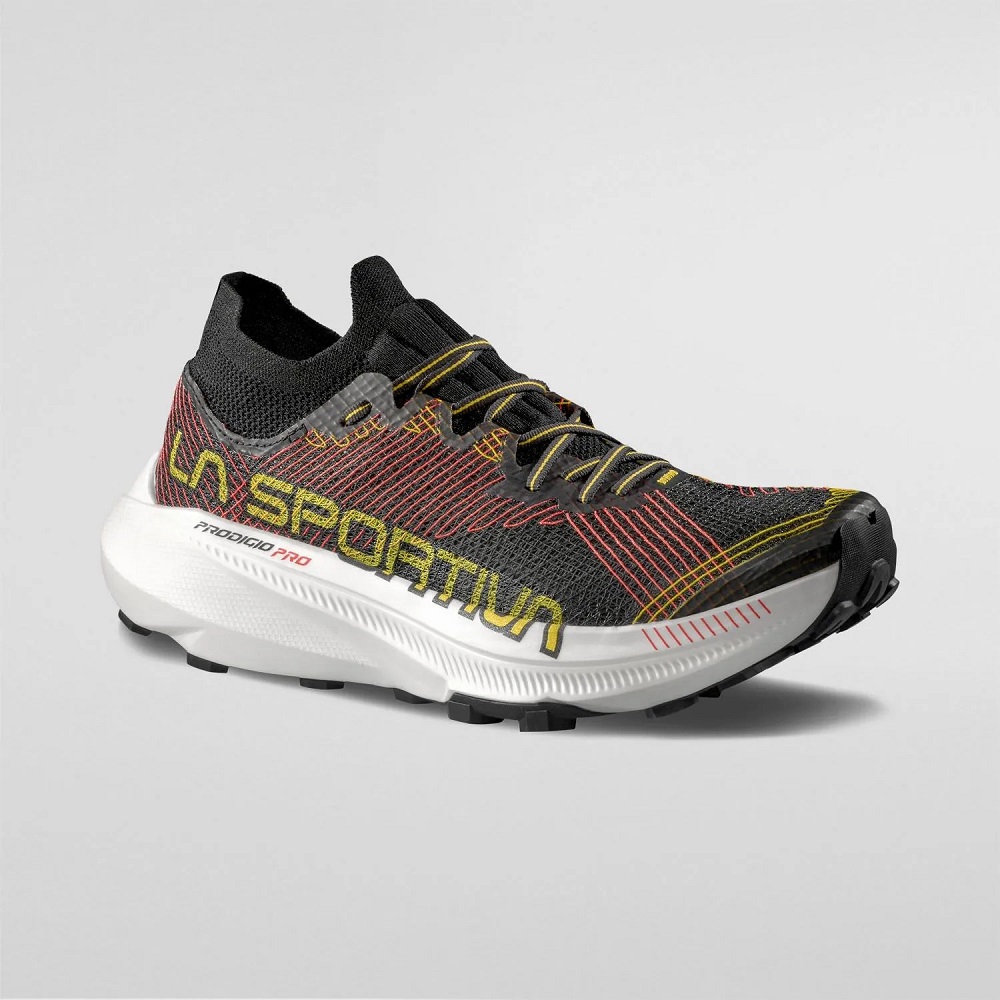
Choosing the right brand is crucial for long-distance running shoes. Trusted brands provide quality, durability, and comfort for the best running experience. Here are some top brands to consider for long-distance runners:
Nike
Nike offers lightweight and responsive shoes for serious runners. Popular options include the Nike ZoomX and Pegasus series. They feature cushioning, energy return, and breathable materials for extended runs.
Adidas
Adidas is known for high-performance running shoes with excellent comfort and support. The Ultraboost and Adizero series are ideal for long-distance runs. Their innovative Boost cushioning enhances energy return and reduces fatigue.
ASICS
ASICS specializes in designing shoes for long-distance running comfort. The Gel-Nimbus and Gel-Kayano are popular collections offering superior arch support and stability. They are great for runners who need extra support due to overpronation.
Brooks
Brooks is famous for its reliable running shoes focused on biomechanics. Models like Ghost and Glycerin cater to runners seeking comfort and cushioning. They are durable and provide excellent shock absorption.
Saucony
Saucony is perfect for runners who value both comfort and performance. The Endorphin and Triumph series deliver a smooth ride with advanced cushioning. Their breathable designs keep feet cool during long runs.
Hoka One One
Hoka One One offers maximum cushioning for intense long-distance runs. The Bondi and Clifton series feature a lightweight design and added support. These shoes reduce impact on joints and offer a plush ride.
New Balance
New Balance combines durability and comfort for running shoes. The Fresh Foam and 1080 series ensure a balanced fit with ample cushioning. They are suitable for various arch types and gait styles.
Mizuno
Mizuno is celebrated for stability-focused running shoes. The Wave Rider and Wave Inspire series offer excellent energy rebound and grip. They are designed for secure strides over diverse surfaces.
Selecting shoes from these top brands helps boost your running experience and enhances performance. Prioritize comfort, durability, and fit when making your choice.
Cushioning and Support: Why They Matter for Long Runs
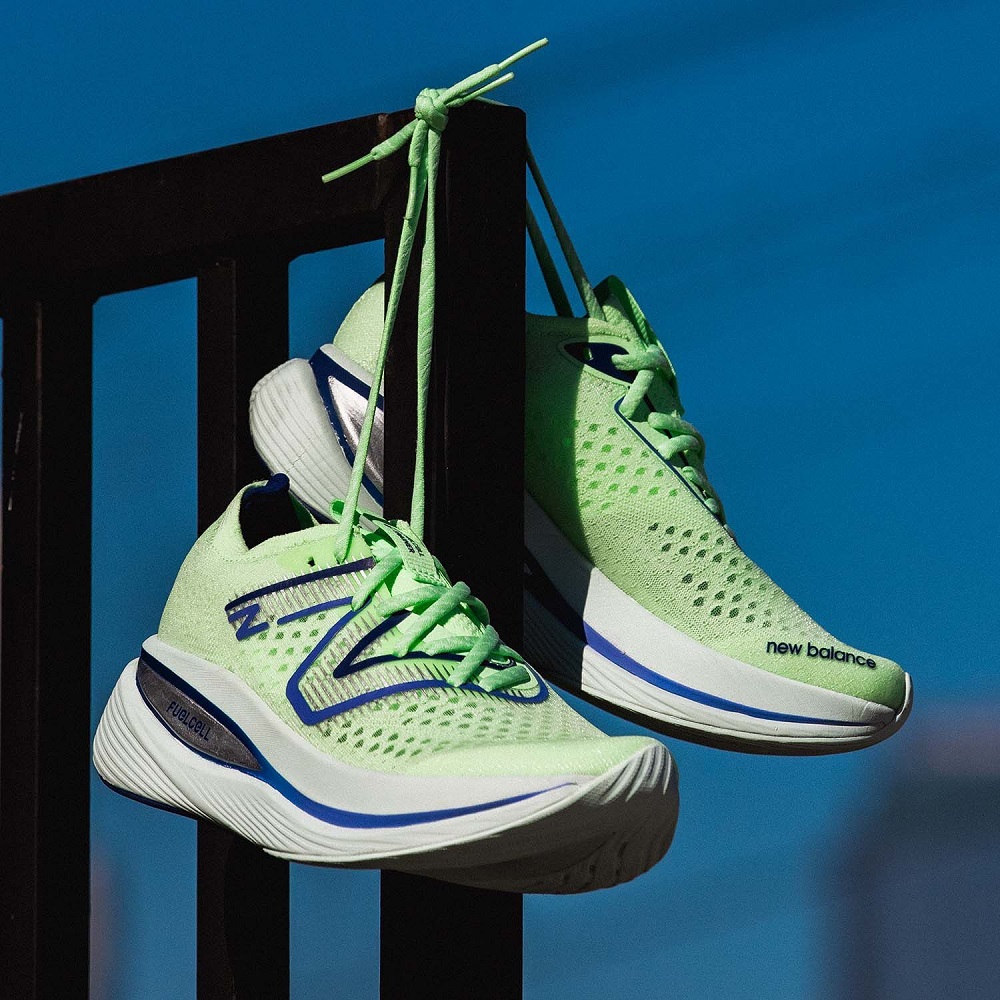
Running long distances puts stress on your feet, legs, and joints. Cushioning and support in shoes play a crucial role in reducing this impact and helping you perform better.
Importance of Cushioning
- Minimizes Impact: Proper cushioning absorbs shock, reducing stress on your joints and muscles during runs.
- Lessens Fatigue: It helps avoid weariness by keeping your feet comfortable over long distances.
- Prevents Injuries: Cushioning protects against common injuries like plantar fasciitis and shin splints.
Choose shoes with soft midsoles made of EVA foam or gel for better impact absorption. Check for responsive cushioning that helps in energy return during running.
Role of Support in Running Shoes
- Improves Stability: Support helps keep your feet aligned when running, reducing overpronation or supination.
- Reduces Strain: Stabilizing features help distribute weight, preventing unnecessary pressure points.
- Enhances Performance: A balanced, supportive design lets you run smoother and more efficiently.
Consider shoes designed for your arch type or running gait. Features like a sturdy heel counter and firm side walls improve overall control and stability.
Finding shoes with the right amount of cushioning and support is essential. They reduce injuries while offering a comfortable and smooth running experience. Prioritize these features during your search for the best shoes for long distance running.
Breathability and Material Quality for Comfort During Long Runs
Breathability and material quality are crucial in finding the best shoes for long distance running. High-quality materials and proper ventilation improve comfort, minimize injuries, and enhance overall performance during extended runs.
Importance of Breathability
- Keeps Feet Cool: Breathable shoes promote airflow, preventing overheating during long runs.
- Reduces Sweating: Materials like mesh wick away moisture and keep your feet dry.
- Prevents Irritation: Breathable designs lower the risk of blisters caused by sweat and friction.
- Boosts Comfort: Well-ventilated shoes make runs more comfortable over time.
When shopping, look for materials such as engineered mesh or perforated fabrics. These enhance air circulation and ensure breathability for long distances.
High-Quality Materials Make a Difference
Top-grade materials in running shoes increase longevity and improve comfort. Here are the key components to consider:
- Durable Uppers: Ensure the top material is lightweight but sturdy enough for extended use.
- Soft Inner Linings: Lining materials should be smooth to prevent irritation and enhance comfort.
- Shock-Absorbing Midsoles: Foam or gel midsoles reduce impact and support your stride.
- Flexible Outsoles: Tough yet flexible rubber outsoles provide grip and withstand wear on different surfaces.
Benefits of Quality Materials for Long-Distance Runners
- Reduces Fatigue: High-quality materials help you conserve energy during long runs.
- Prevents Injuries: Durable and well-crafted fabrics ensure your feet are adequately protected.
- Enhances Fit: Premium materials mold to your feet, providing a snug and supportive fit.
When choosing running shoes, prioritize breathability and material quality. These features ensure comfort, reduce injuries, and boost performance. Always invest in shoes crafted with runners’ needs in mind to achieve your long-distance running goals.
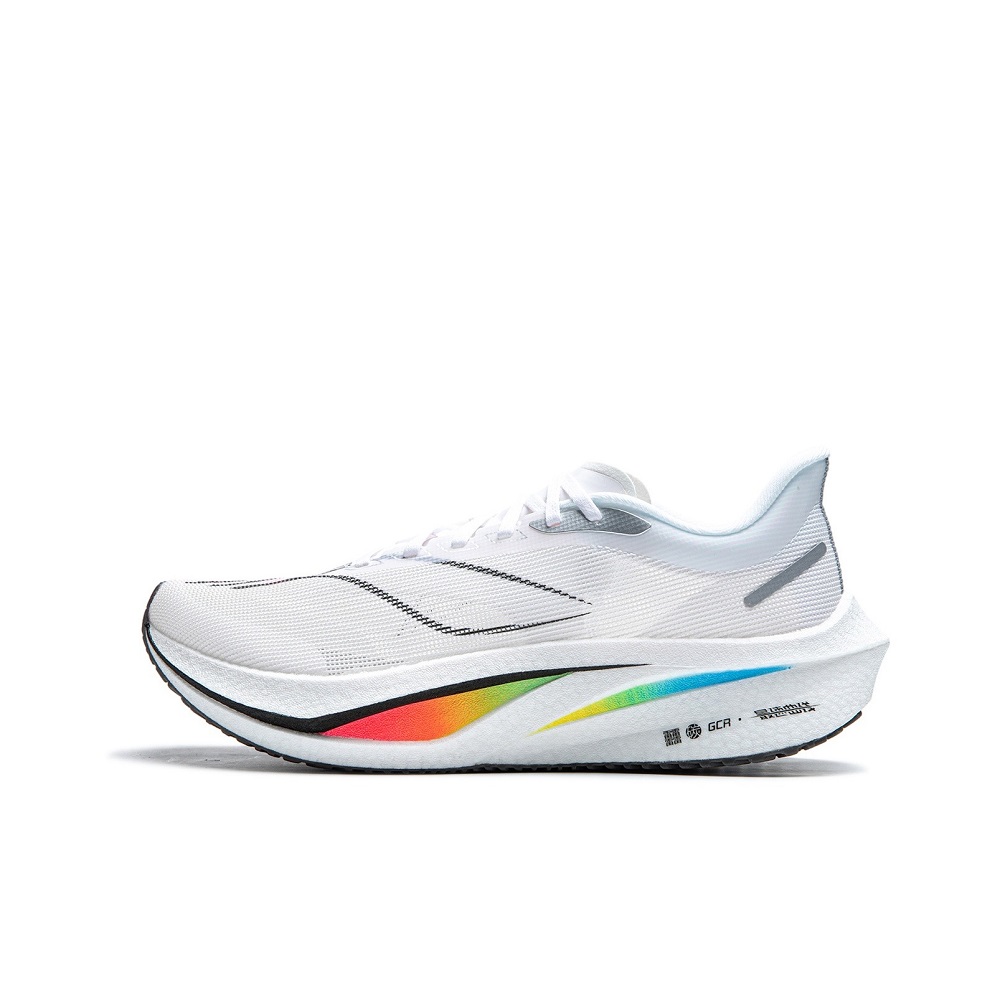
Lightweight Versus Durability: Finding the Right Balance
When selecting the best shoes for long distance running, balancing lightweight design and durability is crucial. Runners desire footwear that doesn’t weigh them down and can handle the rigors of extended use.
Importance of Lightweight Shoes
- Improved Speed: Lightweight shoes help runners move faster with less effort.
- Enhanced Energy Efficiency: Lighter options minimize energy consumption, allowing for longer runs.
- Reduced Fatigue: Less weight means less strain on your legs while running long distances.
Materials like engineered mesh or foam are commonly used to make running shoes lighter while ensuring breathability. However, it’s key to ensure light shoes still provide adequate support and stability.
The Role of Durability
- Extended Lifespan: Durable shoes withstand the wear and tear of daily long runs.
- Cost-effectiveness: High durability reduces the need for frequent replacements.
- Protection: Strong outsoles and sturdy construction safeguard feet from rough terrains.
Focus on features such as reinforced toe boxes, durable outsoles, and high-quality stitching. These aspects ensure your shoes last longer without compromising your performance.
Striking the Right Balance
- Choose lightweight materials that also have strength, like synthetic overlays with mesh.
- Avoid overly minimal shoes that lack necessary support and cushioning.
- Look for multi-purpose shoes that are versatile for different surfaces and distances.
- Test the feel of the shoe to ensure neither weight nor protection is sacrificed.
Finding the right balance between weight and durability ensures a smooth, safe, and enjoyable running experience. Prioritize your specific needs for better performance and fewer injuries.
How to Find the Perfect Fit for Long Distance Running Shoes
Finding the perfect fit for your running shoes is essential. Comfort, performance, and injury prevention depend on it. Here are steps to ensure you choose the right fit:
Measure Your Feet
- Check Size Regularly: Feet can change size over time. Measure them before buying shoes.
- Account for Width and Length: Ensure both dimensions suit your feet for a comfortable fit.
- Measure in the Evening: Feet swell during the day; measure them when they are largest.
Consider Socks
- Try Shoes With Running Socks: Testing shoes with your typical running socks ensures accurate fit.
- Avoid Bulky Socks: Choose lightweight or compression socks to reduce tightness or discomfort.
Test Toe Room
- Leave Space for Toes: Ensure half an inch of space between your toes and the shoe front.
- Avoid Tight Toe Boxes: Tight front areas can cause blisters or black toenails over long runs.
Check Heel Fit
- Opt for Secure Heel Fit: Shoes should hold heels snugly without slipping.
- Avoid Excess Pressure: Heels should not feel pinched or constricted while walking or running.
Try Different Styles
- Test Multiple Designs: Different brands offer unique fits based on varied foot shapes.
- Follow Your Arch Type: Choose shoes tailored to flat, medium, or high arches.
Go to a Specialized Store
- Get Expert Advice: Staff at running stores can analyze your gait and recommend suitable options.
- Use In-Store Treadmill: Test shoes by running on a treadmill to assess comfort and performance.
Break Them In
- Start With Short Runs: Gradually increase distance to ensure the shoes suit your needs.
- Monitor Comfort: Assess your shoes for tightness, rubbing, or discomfort during initial runs.
Finding the perfect fit ensures long distance running is both enjoyable and safe. Consider these tips carefully when purchasing your next pair.
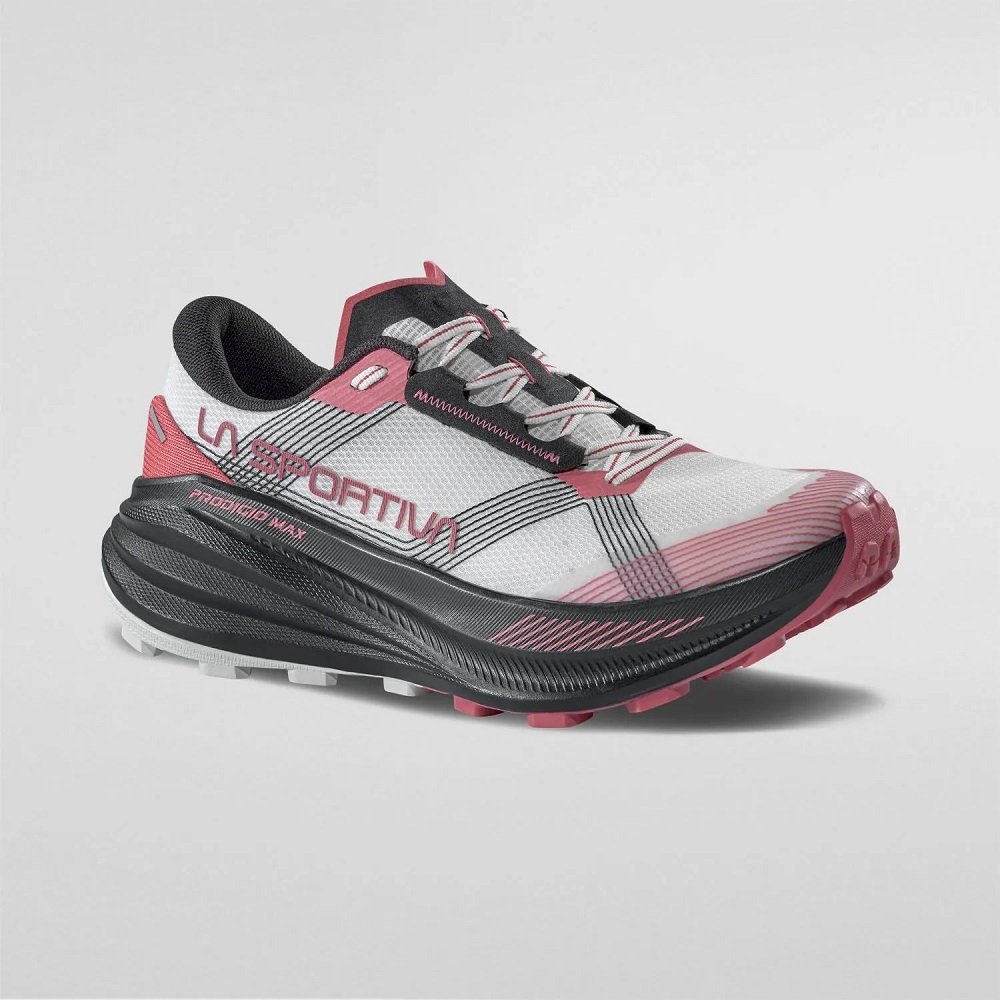
Common Mistakes to Avoid When Choosing Running Shoes
Selecting the best shoes for long distance running is crucial for performance and safety. However, many runners make mistakes that can lead to discomfort or injuries.
Choosing the Wrong Size
- Ignoring Proper Fit: Shoes that are too large or small can cause blisters or foot pain.
- Not Measuring Feet: Always measure your feet before buying new running shoes.
- Overlooking Width: A shoe that’s too narrow or wide might cause long-term discomfort on runs.
Overlooking Arch and Gait Type
- Skipping Gait Analysis: Understanding your running style helps choose shoes that match your needs.
- Misjudging Arch Type: Not accounting for flat, medium, or high arches can lead to stability problems.
- Ignoring Foot Health: Poor alignment can worsen conditions like plantar fasciitis or pronation issues.
Prioritizing Style Over Function
- Choosing Based on Looks: Stylish shoes might lack support or functionality for long-distance running.
- Ignoring Key Features: Vital aspects like cushioning, breathability, and durability should come first.
Focusing Solely on Price
- Opting for Cheap Shoes: Low-priced options might compromise support, leading to early wear or discomfort.
- Avoiding High-Quality Brands: Invest in trusted brands offering durability and performance-enhancing features.
Skipping Wear Tests
- Not Trying Shoes Properly: Always test shoes with your running socks before purchasing.
- Skipping Treadmill Runs: Assessing shoes on treadmill helps spot any potential issues promptly.
Sticking to Old Shoes
- Ignoring Wear and Tear: Worn-out shoes fail to provide the necessary support during runs.
- Delaying Replacement: Shoes should be replaced once the sole or cushion wears down.
Neglecting Terrain Specific Shoes
- Using Road Shoes on Trails: Running on rugged surfaces needs higher traction and durability.
- Not Considering Conditions: Weather or surface type affects the performance of your running shoes.
By avoiding these common mistakes, you can select the perfect shoes for long distance running. Prioritize comfort, fit, and functionality, and your runs will be safer and more enjoyable.